CM/GC vs Design-Bid-Build: Architect's Role Guide
Why Your Commercial Delivery Method Defines the Entire Project
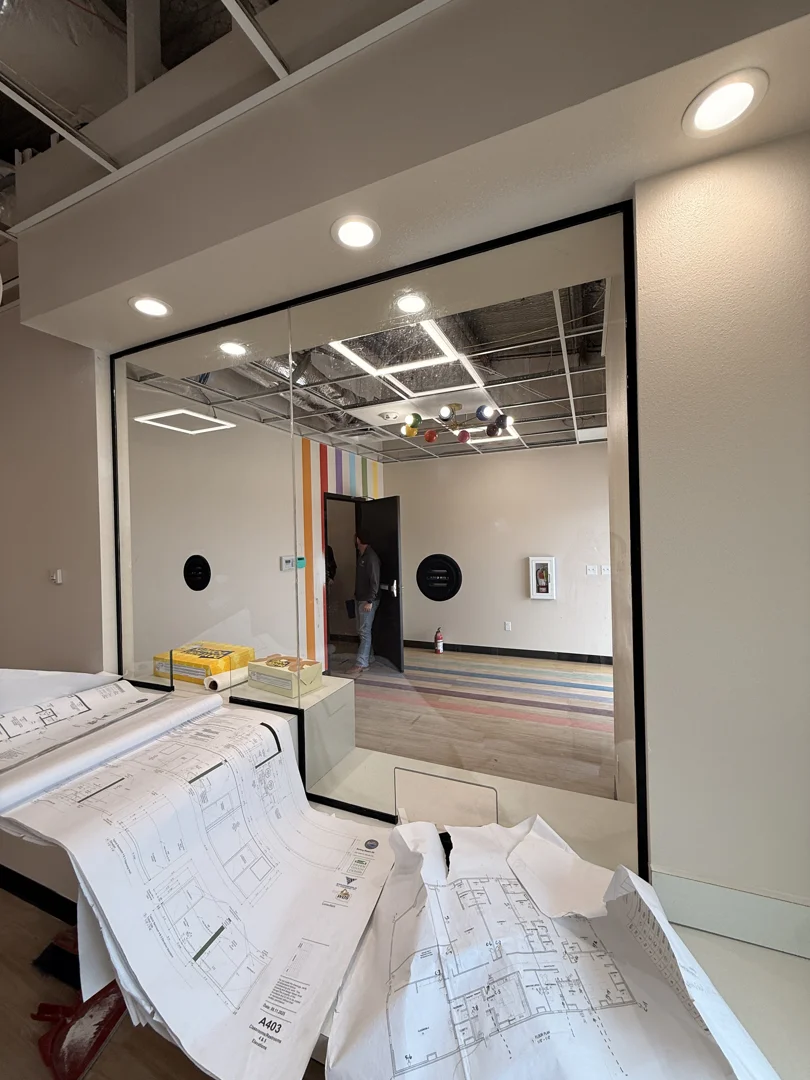
CM/GC vs. Design-Bid-Build and how architects play a role is one of the most consequential decisions in a commercial project, shaping budget control, schedule risk, contractor input, and design quality long before construction begins.
Here's the short answer:
| Method | Who Holds Design? | Contractor Joins When? | Owner Control | Best For |
|---|---|---|---|---|
| Design-Bid-Build (DBB) | Architect (for owner) | After design is complete | High | Clear scope, price competition |
| CM/GC (CMAR) | Architect (for owner) | During design | High | Complex, phased, or fast-track projects |
| Design-Build (DB) | Design-Builder (single entity) | From day one | Lower | Speed, single-point accountability |
The method you choose shapes how your architect works, who carries risk, and when your contractor gets a seat at the table. Get it right, and your project runs with clarity and momentum. Get it wrong, and you're managing disputes instead of decisions.
Most owners default to what they know — usually the traditional design-bid-build process. But for complex commercial projects, that default can cost you more in change orders, delays, and adversarial dynamics than any upfront fee savings.
At Green Couch Design, navigating CM/GC vs. Design-Bid-Build and how architects play a role is something we guide our Oklahoma clients through at the very start of every commercial project. With nearly two decades of collective design experience and a process built around clarity and intentional collaboration, our team helps you choose the structure that actually protects your investment — not just the one that looks simplest on paper.
Understanding the Core Differences in CM/GC vs. Design-Bid-Build and How Architects Play a Role
The core difference is how each method balances design control, risk, and timeline. In Design-Bid-Build (DBB), you typically hold two contracts: one with the architect and one with the general contractor. The process is linear: design first, bid second, build third. In Oklahoma projects, that structure can affect permitting, zoning, pricing, material availability, and your bottom line.
In the Construction Manager/General Contractor (CM/GC) model—often referred to as Construction Manager at Risk (CMAR)—you still hold separate contracts with the architect and the contractor. However, the contractor is hired during the design phase based on qualifications rather than a low bid. This creates a powerful system of checks and balances. We remain your independent design advocate, while the contractor provides real-time pricing and constructability feedback.
Understanding these structural differences is crucial before deciding how to allocate your budget. You can explore a detailed breakdown of architectural fee structures in our guide on What It Costs to Hire a Commercial Architect. For a broader look at industry-wide standards, the Construction Project Delivery Methods Comparison 2025: DBB vs DB vs CM | BidFinds provides an excellent comparative baseline.
| Feature | Design-Bid-Build (DBB) | CM/GC (CMAR) | Design-Build (DB) |
|---|---|---|---|
| Contract Structure | Two separate contracts (Owner-Architect & Owner-GC) | Two separate contracts (Owner-Architect & Owner-CM) | Single contract (Owner-Design Builder) |
| Design Liability | Owner retains design risk | Owner retains design risk | Transferred to Design-Builder |
| Preconstruction Input | None from the builder | Extensive (cost, scheduling, materials) | Continuous integration |
| Price Certainty | Lump sum established at bid | Guaranteed Maximum Price (GMP) at 60-90% design | Fixed price or GMP early in process |
The CM/GC Process: Preconstruction, GMP, and Collaborative Design
The magic of the CM/GC process happens during preconstruction. Instead of designing in an architectural bubble and hoping the bids come in on budget, we collaborate with the contractor from day one.
During this phase, the contractor performs constructability reviews and value engineering. If a specific structural steel layout or HVAC system is going to trigger long lead times or high labor costs in the Oklahoma City market, the contractor flags it early. We can then adjust the design before finalizing the construction documents.
This collaboration culminates in a Guaranteed Maximum Price (GMP), typically established when the design is between 60% and 90% complete. The GMP acts as a cap on your construction costs, protecting you from unexpected overruns while maintaining open-book transparency. This structure also allows for phased permitting; we can submit foundation plans to the city for permitting while we are still finalizing the interior finishes.
To see how this fits into our local workflow, read about our Commercial Design Process Oklahoma. You can also dive deeper into contract-level risk management by reading CMAR vs Design-Build | Project Delivery Methods Side-by-Side.
The Traditional Alternative: Design-Bid-Build Mechanics and Risk Allocation
Design-Bid-Build is a linear, highly structured process. We work closely with you to develop complete, highly coordinated drawings. Once these are finished, the project is put out to bid, and general contractors compete to offer the lowest price.
While DBB is excellent for driving down the initial bid price through pure competition, it places significant risk on the owner. Because the contractor has had zero input during the design, any discrepancies, omissions, or unexpected site conditions found during construction will trigger change orders. This often fosters an adversarial dynamic where the contractor blames the design, and the architect defends it, leaving the owner caught in the middle.
To make DBB work, you need complete, highly detailed construction documents before bidding or breaking ground. That up-front clarity helps contractors price the same scope, reduces confusion during construction, and gives the architect a stronger basis for reviewing substitutions, RFIs, and change order requests.
How Design-Build Differs from CM/GC vs. Design-Bid-Build and How Architects Play a Role
In a Design-Build (DB) model, you sign a single contract with a Design-Builder—usually a joint venture or a contractor-led team that subcontracts the architect. This model represents the "master builder" approach.
The primary benefit of Design-Build is speed and single-point accountability. Because the architect and contractor are on the same team, design liability shifts entirely away from the owner. If a design error occurs, the Design-Builder must resolve it internally without charging you for a change order.
However, this model changes our role significantly. Instead of acting as your independent advocate, the architect works directly for the contractor. This can sometimes lead to a tension between design quality and construction efficiency, where cost-saving measures might compromise the long-term aesthetic or operational value of your building.
To understand how these phases unfold, check out our Commercial Architecture Process Complete Guide. For a technical breakdown of how design liability shifts between these models, refer to the Construction Project Delivery Methods: Design-Build, DBB, and CM | National Building Authority.
Public Procurement Hurdles: Exemptions, Hearings, and Post-Project Evaluations
For public entities in Oklahoma, choosing an alternative delivery method like CM/GC or Design-Build isn't as simple as signing a contract. Under state competitive bidding laws, DBB is the default procurement method.
To use CM/GC or Design-Build on a public project, public agencies must obtain a formal exemption. This process requires making specific findings—such as proving that the alternative method will not encourage favoritism, will maintain competition, and will result in substantial cost or time savings due to the project's technical complexity. It also requires public notices published in local newspapers at least 14 days in advance, a public hearing, and a mandatory post-project evaluation submitted within 30 days of project acceptance.
Understanding these regulatory hurdles is vital for municipal, county, or school district projects. You can read more about these legal complexities in To CM/GC or not to CM/GC (or to Design Build?) – LGLG. Navigating these requirements always begins with a thorough feasibility study, which we detail in our guide on the Feasibility Stage of a Project.
Navigating Alternative Delivery Methods: Making the Right Choice for Your Oklahoma Project
Every commercial project has its own set of constraints. Your choice of delivery method should align with your in-house management capacity, your timeline, your budget predictability, and the local zoning complexities of your site.
Selecting the Right Delivery Method for Your Commercial Project
At Green Couch Design, we believe in purposeful, legacy-driven development. We are a boutique architecture firm, which means we provide highly customized, hands-on guidance throughout your development journey. We don't believe in a one-size-fits-all approach to project delivery.
If your project has a highly complex, evolving scope—or if you are working within tight municipal guidelines—CM/GC keeps us in your corner as an independent advocate while bringing in a builder early to protect your budget. If your priority is absolute speed to market and you have a very simple program, Design-Build might be the right fit. If you have a highly detailed, clear scope and want to test the competitive market for the absolute lowest construction cost, Design-Bid-Build remains a reliable path.
We specialize in helping Oklahoma developers navigate these choices to mitigate risk and build projects that stand the test of time. To see if our approach aligns with your goals, read about the 4 Types of Commercial Projects That Benefit Most from a Boutique Architecture Firm and learn how to avoid common Mistakes in Commercial Development.
We also encourage you to explore:
- Our philosophy on What Makes Commercial Design Actually Work Beyond Aesthetics
- Our breakdown of a typical Commercial Project Timeline
- Our preservation work on the Pawnee Courthouse Renovation Portfolio
If you are ready to plan your next commercial project in Oklahoma City, Midwest City, or the surrounding metro, visit our Green Couch Design OKC Commercial Architecture page to learn more about how we can partner with you to build a lasting legacy.