4 Types of Commercial Projects That Benefit Most from Boutique Firms
What Are the 4 Types of Commercial Projects That Benefit Most from a Boutique Architecture Firm?
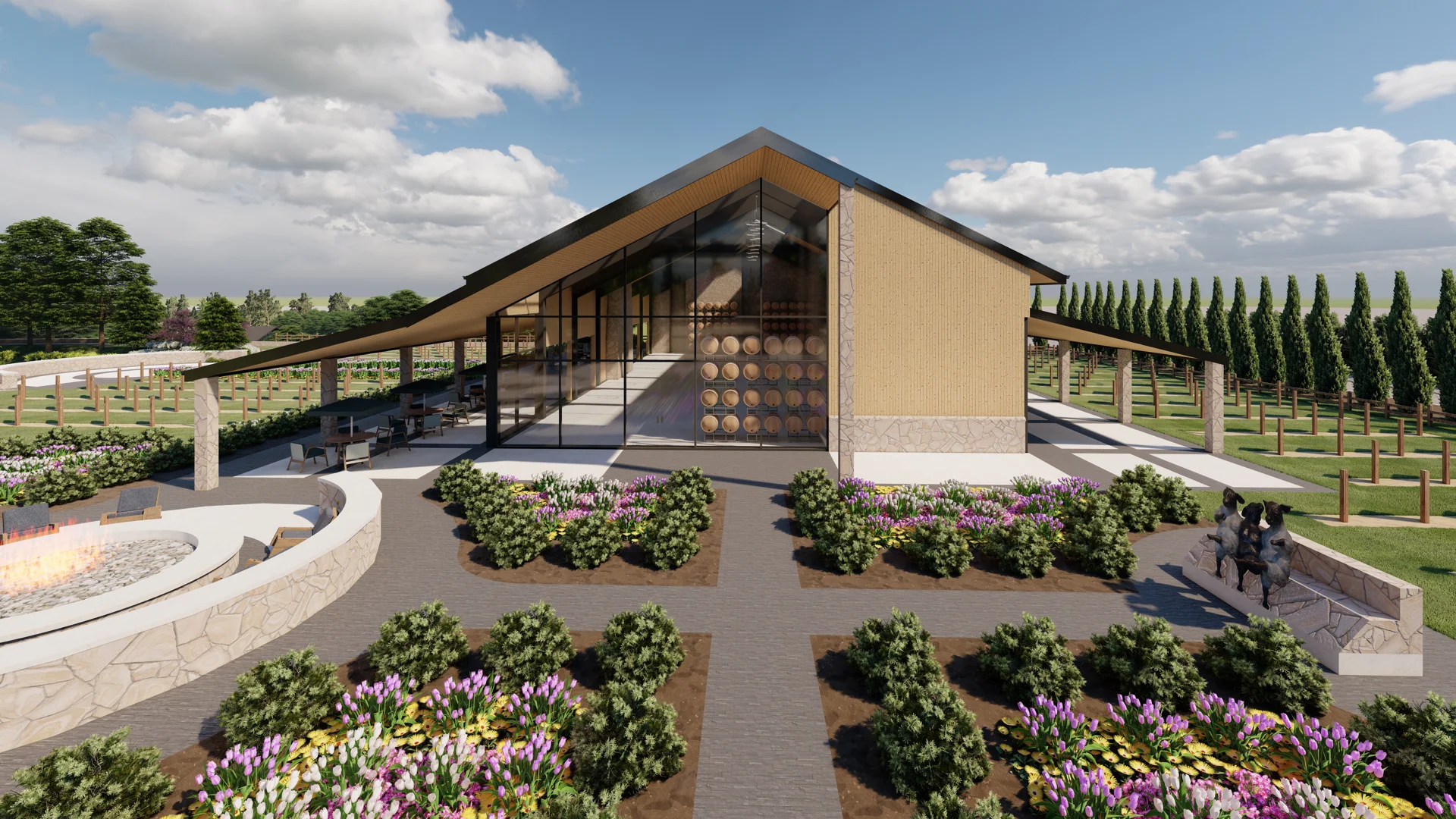
The 4 types of commercial projects that benefit most from a boutique architecture firm are:
- Retail stores and showrooms requiring brand-aligned, customer-focused design
- Unique office spaces built around company culture and employee experience
- Hospitality projects like boutique hotels and restaurants that depend on atmosphere and storytelling
- Mixed-use developments and adaptive reuse projects needing creative integration of diverse functions
Not every commercial project needs a massive firm behind it. In fact, the projects that matter most — the ones tied to a brand's identity, a community's character, or a business owner's vision — often get less attention at a large firm, not more.
At large architecture firms, your project may be handed off to junior staff once the contract is signed. At a boutique firm, the principal architect stays involved from the first conversation to the final walkthrough. That difference isn't just procedural. It shapes every design decision, every detail, and every outcome.
According to the American Institute of Architects, more than 75% of architecture firms in the U.S. have fewer than 10 employees. Boutique firms aren't the exception — they are the backbone of the industry. And for the right project types, they consistently outperform larger competitors on personalization, flexibility, and design quality.
Understanding the Boutique Architecture Firm Advantage
When we talk about a "boutique" firm, we aren't just talking about size; we are talking about a philosophy of practice. In the architecture world, size often dictates the level of bureaucracy. Large firms, sometimes employing over 1,000 people, are built for massive infrastructure — airports, hospitals, and skyscrapers. While they have vast resources, their workflow can often feel standardized, relying on templates to maintain high volume.
Boutique firms operate differently. With small, lean teams, we prioritize direct collaboration. Statistics show that 28% of firms are sole practitioners and another 32% have between two and four employees. This means that when you hire a boutique firm, you are hiring the principal's expertise, not just the firm's name.
The advantages of this model include:
- Principal Involvement: Your project is led by a seasoned architect, not delegated to an intern.
- Agility: We can pivot quickly when site conditions change or budgets shift without navigating layers of corporate approval.
- Niche Expertise: Boutique firms often specialize in specific project types, bringing a "master of one" mentality rather than a "jack of all trades" approach.
- Values-Driven Design: We focus on the "why" behind a building. Every square foot is designed to serve a purpose, whether that is driving sales, fostering community, or preserving a legacy.
Choosing the right partner depends on your project's scale and your need for a tailored touch. You can explore how these values translate into physical spaces by viewing our Architecture Portfolio.
The 4 Types of Commercial Projects That Benefit Most from a Boutique Architecture Firm
The distinction between a large firm and a boutique firm becomes most apparent during the design and construction of specialized commercial spaces. While a large firm might excel at a 50-story office tower, a boutique firm thrives when the project requires a high degree of brand alignment and "purposeful aesthetics."
Our Commercial Architecture Process is designed to ensure that the building isn't just a container for a business, but an active participant in the business's success.
| Project Feature | Boutique Architecture Firm | Large Architecture Firm |
|---|---|---|
| Primary Contact | Principal Architect | Project Manager / Junior Staff |
| Design Approach | Bespoke and Brand-First | Standardized and Template-Based |
| Flexibility | High (Quick pivots) | Low (Bureaucratic hurdles) |
| Client Focus | Personalized / Collaborative | Volume-driven |
1. Retail Stores and Showrooms Requiring Brand-Aligned Design
In retail, the building is your most significant marketing tool. It’s the first thing a customer touches, sees, and experiences. Boutique firms excel here because we understand that retail design is about more than shelving; it’s about storytelling.
We look for sensory cues — how light hits a product, how the floor plan directs foot traffic, and how the materials reflect the brand’s price point and values. For example, our work on The Oculist required a clinical precision blended with high-end retail aesthetics. The goal wasn't just to sell glasses; it was to create an environment where the customer felt seen and cared for.
Similarly, with Arrowhead Boats, the architecture had to reflect the rugged yet refined nature of the products. A boutique firm takes the time to integrate the brand identity into the very bones of the structure. This level of detail provides a competitive edge that "cookie-cutter" commercial designs simply cannot match. This is why retail is one of the 4 types of commercial projects that benefit most from a boutique architecture firm.
2. Unique Office Spaces Focused on Employee Experience
The post-pandemic workplace has shifted. Offices are no longer just places to sit at a desk; they are hubs for culture and collaboration. Large firms often design offices based on maximum occupancy and "efficiency" metrics. Boutique firms design them for the people inside.
We focus on functional productivity. This includes creating "collision zones" where employees can brainstorm and integrating biophilic design elements that improve mental well-being. A great example is The Underground Coffee Coworking. This project required a balance between the focused energy of a workspace and the social warmth of a coffee shop.
By prioritizing employee experience over sheer square-footage efficiency, boutique firms help companies build spaces that actually make people want to come to work. When the architecture reflects the company culture, it becomes a tool for retention and recruitment.
3. Hospitality Projects Like Boutique Hotels and Restaurants
Hospitality is perhaps the most atmosphere-dependent sector in commercial architecture. A restaurant’s success depends as much on its "vibe" as it does on its menu. Boutique firms are uniquely positioned to handle hospitality because we focus on the narrative of the space.
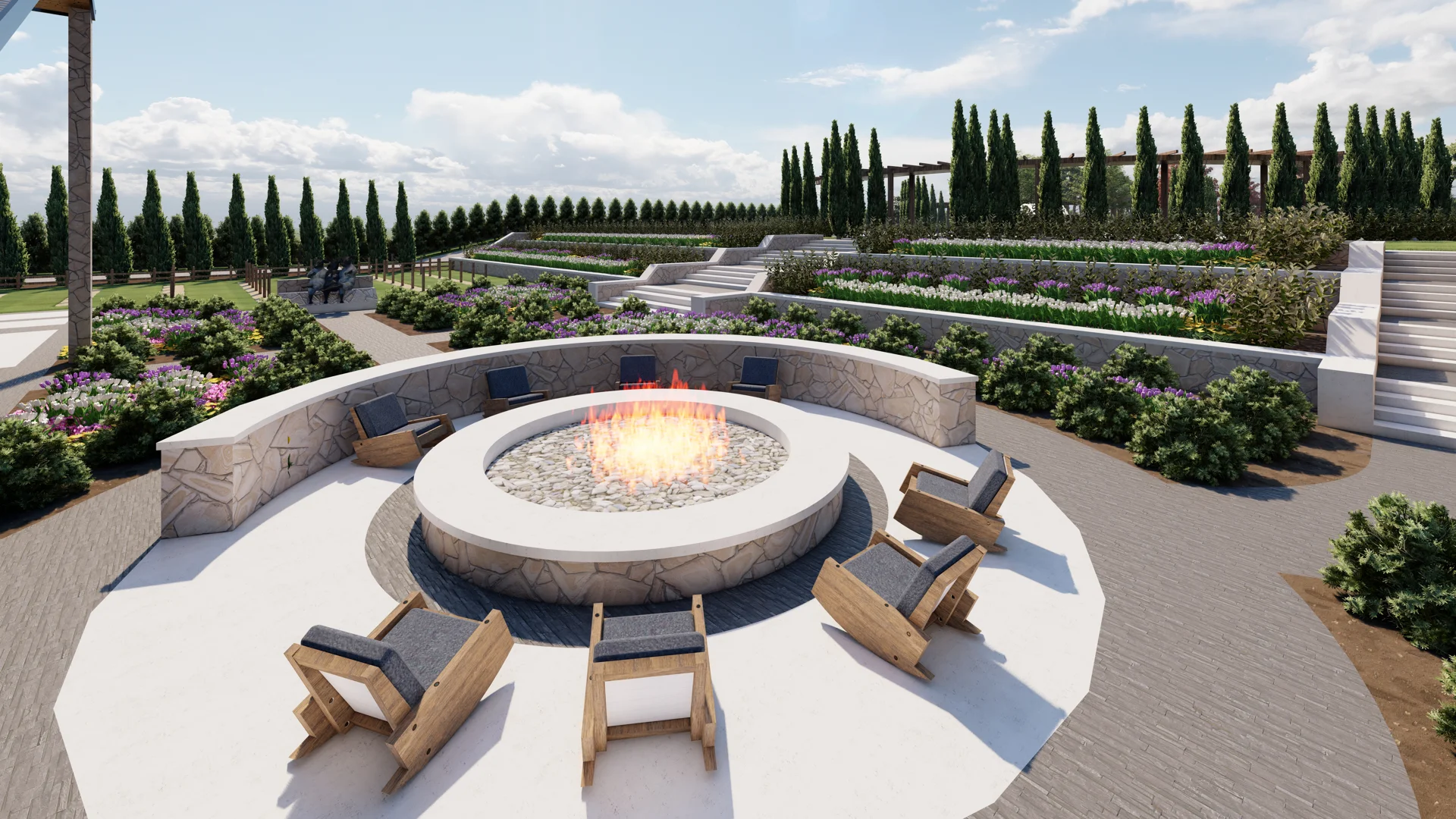
In projects like Sixty-Six Vines, we utilize master planning to ensure that every guest touchpoint is intentional. We look at flexible layouts that can transition from a quiet lunch service to a high-energy evening event.
Because hospitality projects often face tight margins and strict health codes, the innovative solutions and technical precision of a boutique firm are invaluable. We don't just provide a blueprint; we provide a stage for your business to perform. You can see more examples of this in our Commercial Architecture Portfolio.
4. Mixed-Use Developments and Adaptive Reuse
Adaptive reuse is the ultimate test of an architect's creativity. Taking an old structure and giving it a new, modern purpose requires a deep understanding of both history and future community needs.
Our Commercial to Residential Conversion of the Historic Montana Brewery is a prime example. These projects often involve navigating complex OKC Commercial Zoning & Permitting issues. A large firm might find these "one-off" challenges inefficient, but for a boutique firm, they are the bread and butter of our work.
Whether it is a Head Start Facility Remodel or a mixed-use urban infill, boutique firms excel at integrating diverse functions — like retail on the bottom and apartments on top — into a cohesive, community-focused landmark.
Why Boutique Firms Outperform Large Corporations on Specialized Projects
The "archipreneurial" spirit of a boutique firm means we are constantly looking for ways to do things better, not just faster. Because we have lower overhead, we can afford to spend more time on the "small" details that make a big difference.
There are several reasons to choose a smaller firm, but the most significant is direct accountability. When a problem arises on-site — and in construction, they always do — you aren't waiting for a corporate headquarters in another state to approve a change order. We are on the ground, making adaptive plans in real-time.
This technical precision and commitment to innovation extend across all our sectors, from Healthcare Architecture to Education Architecture. We don't rely on templates because every client's legacy is different.
Frequently Asked Questions about Boutique Commercial Architecture
When should I choose a boutique firm over a large one for my commercial project?
You should choose a boutique firm if your project requires a high level of personalization, has a unique site or building constraint (like adaptive reuse), or if you want direct access to the principal architect. If your project is a standard "big box" warehouse or a massive infrastructure project, a large firm's resources might be a better fit. However, for brand-forward businesses, the boutique model offers better ROI through purposeful design.
How do boutique firms handle large-scale technical challenges and zoning?
We don't work in a vacuum. While our core team is lean, we maintain an extensive network of specialized consultants — structural engineers, MEP experts, and civil planners — who we bring in as needed. This allows us to handle complex OKC Zoning and Permitting with the same technical rigor as a large firm, but with more direct oversight.
Are boutique architecture firms more expensive than full-service firms?
Not necessarily. While our fee structures are value-based, our lower overhead often allows us to be very competitive. More importantly, we focus on long-term ROI. By making purposeful design decisions during the planning phase, we can often save clients significant money during construction and operation. Every dollar spent on design should serve a functional or aesthetic purpose that adds value to your business's legacy.
Conclusion: Building a Legacy with the Right Partner
At Green Couch Design, we believe that architecture is about more than just buildings; it’s about the people who use them and the legacies they leave behind. Whether you are launching a new retail brand or reimagining an old historic structure, we are here to be your partner, not just your draftsman.
We specialize in OKC Commercial Architecture that is intentional, practical, and built to last. When you focus on the 4 types of commercial projects that benefit most from a boutique architecture firm, you ensure that your space is as unique as your vision.
If you’re ready to build something that serves your culture and your community, let’s start a conversation. We design spaces that work — beautiful, functional, and legacy-driven.