An Essential Guide to Adaptive Reuse Architecture
What Adaptive Reuse Architecture Actually Means
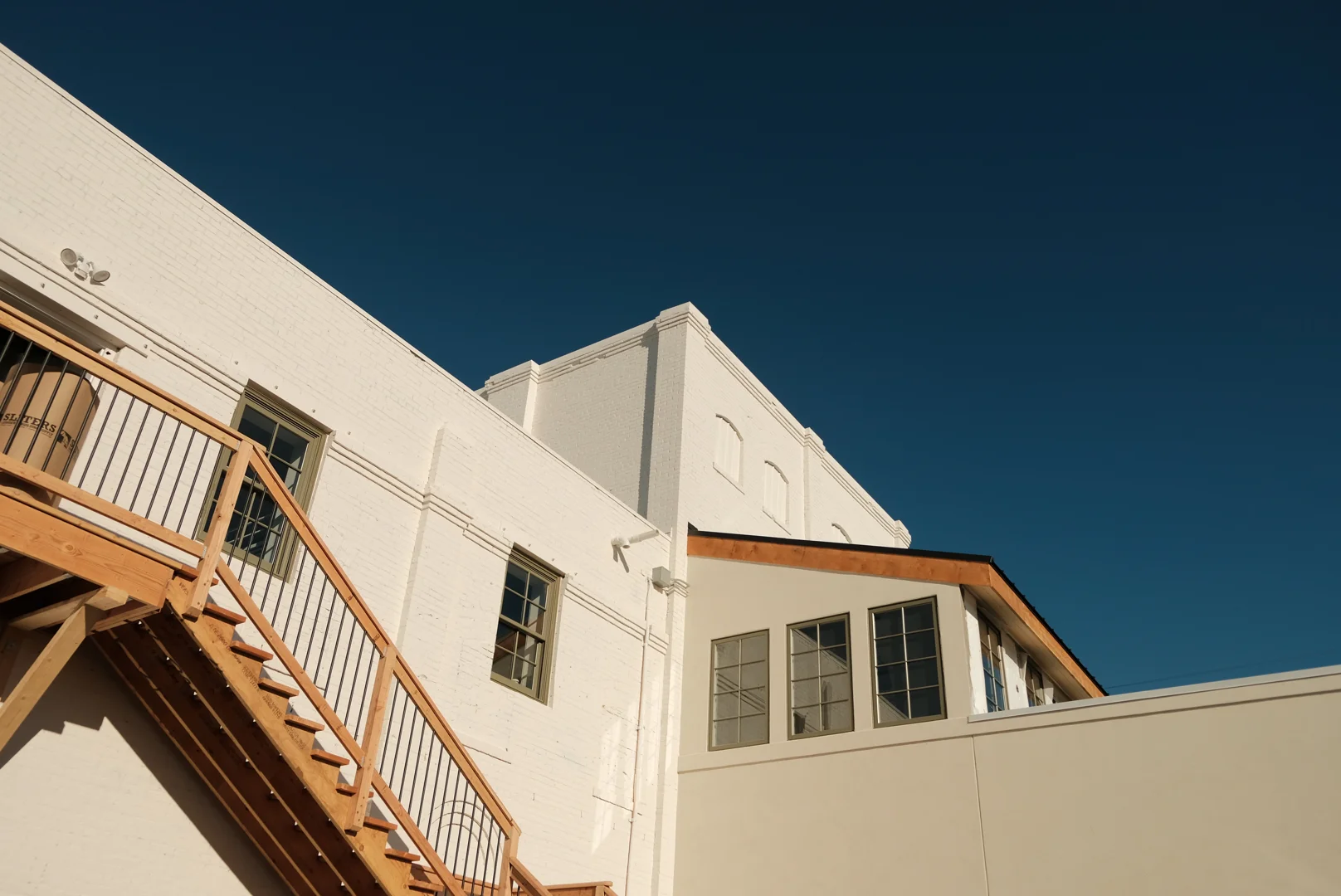
What Adaptive Reuse Architecture Actually Means is simpler than it sounds: it's the practice of taking an existing building and giving it a new purpose instead of tearing it down.
An old factory becomes a loft apartment. A decommissioned power station becomes an art museum. A historic bank becomes a neighborhood café. The structure stays. The story continues.
Here's a quick breakdown:
| Term | What It Means |
|---|---|
| Adaptive reuse | Repurposing an existing building for a new function |
| What's preserved | The structure, often the character and materials |
| What changes | The use, interior systems, and sometimes the layout |
| Why it matters | Less waste, lower carbon, preserved culture, often lower cost |
The built environment is responsible for roughly 42% of global carbon emissions. Demolishing a single building — like the proposed teardown of the Marks & Spencer flagship on Oxford Street — can release as much as 40,000 tonnes of CO2. That's before a single brick of the replacement is laid.
Adaptive reuse is a direct response to that reality. It's not a trend. It's a more intentional way to build.
At its core, What Adaptive Reuse Architecture Actually Means is the process of modifying a "host" structure for a new objective. It is a negotiation between the past and the present. In architectural theory, we often use the metaphor of a palimpsest—a piece of parchment that has been written on, erased, and written over, but still bears the visible traces of its original text.
In a successful adaptive reuse project, those "traces" aren't just aesthetic; they are the foundation of the building's new life. Whether we are transforming a mid-century warehouse into a vibrant office or a historic storefront into a boutique, we are layering new functionality onto an existing structural legacy.
Recent scientific research on heritage success factors identifies that success in these projects is multifaceted. It isn't just about making a building look good; it involves balancing ten distinct categories: architectural, structural, socio-cultural, economic, environmental, energy, authenticity, legal, management, and functional factors.
To understand where this practice sits in the broader world of construction, it helps to compare it to related terms:
| Strategy | Primary Goal | Change in Function? |
|---|---|---|
| Adaptive Reuse | Repurpose for a new use | Yes |
| Restoration | Return to a specific historical state | No |
| Preservation | Maintain existing condition and prevent decay | No |
| Renovation | Modernize and repair existing fabric | Usually No |
Understanding What Adaptive Reuse Architecture Actually Means for Urban Density
As cities like Oklahoma City continue to evolve, we face a choice: continue the pattern of urban sprawl or invest in our existing urban core. Adaptive reuse is a powerful tool for increasing density without losing the soul of a neighborhood.
By repurposing underutilized structures, we create "community beacons"—buildings that residents already recognize and value, now serving a modern purpose. This fosters social sustainability by maintaining cultural continuity. Instead of a vacant lot or a generic new-build, the community gains a functional space that respects the local timeline. You can see various examples of adaptive reuse architecture that demonstrate how these projects revitalize downtown districts by turning "lifeless" shells into hubs of activity.
Distinguishing Reuse from Facadism and Retrofitting
It is easy to confuse adaptive reuse with other "green" building practices, but the distinctions matter for the structural integrity and character of the project.
- Facadism: This is the practice of demolishing everything but the exterior street-facing wall and building a brand-new structure behind it. While it preserves the streetscape, it is often criticized by preservationists as a "hollow" gesture that loses the building's true volume and history.
- Retrofitting: This typically refers to upgrading a building’s systems—like HVAC or insulation—to improve efficiency without necessarily changing the building’s function.
- Adaptive Reuse: We keep the "shell" (the primary structure) and reimagine the interior volume for a completely different use.
For more on how we approach these nuances, explore our historic preservation insights.
The Environmental and Economic Case for Building Longevity
The most sustainable building is the one that is already built. This isn't just a catchphrase; it is a statistical reality. New construction carries a massive "embodied carbon" debt—the energy used to extract, manufacture, and transport materials like steel and concrete.
Research shows it can take 10-80 years to offset construction energy consumed during the birth of a new building, even if that new building is highly energy-efficient. By choosing reuse, we bypass that debt. In cases like the M&S Oxford Street debate, experts noted that 40,000 tonnes of CO2 saved from demolition is a significant win for the planet.
Economically, adaptive reuse projects can benefit from a circular economy. While initial costs for structural assessments can be higher, you often save significantly on demolition and new material procurement. In the U.S., federal historic tax credits and local incentives often make these projects more financially viable than starting from scratch.
What Adaptive Reuse Architecture Actually Means for Climate Mitigation
By optimizing the energy performance of an existing envelope, we contribute to climate change mitigation. This involves upgrading MEP (mechanical, electrical, and plumbing) systems and improving insulation while respecting the original materials. We specialize in historic building preservation and industrial spaces, ensuring that these older structures can meet 21st-century energy standards without losing their resilient, "built-to-last" qualities.
Strategies and Success Factors in Modern Repurposing
There are several ways to approach a repurposing project. One of the most famous global examples is The High Line project, which transformed an obsolete elevated railway into a 1.5-mile urban park. This is a form of infrastructure reuse, where the "building" isn't a traditional house or office but a piece of the city's skeletal system.
Other strategies include:
- Integration: Building new structures around or within the original shell (e.g., the Jægersborg Water Tower in Denmark).
- Facade Retention: Keeping the historic face while modernizing the core.
- Renovation: Deeply modernizing the interior while maintaining the exterior appearance.
One project that highlights these strategies is the adaptive reuse of a historic Montana brewery. By converting a commercial industrial space into residential units, the project maintained the neighborhood's character while solving a modern housing need.
Technical Success Factors and Structural Analysis
Before we pick up a hammer, we must understand the host building's bones. A thorough structural analysis is non-negotiable. We look at:
- Load-bearing capacity: Can the old floors support the weight of a new library or restaurant?
- MEP systems: How do we thread modern wiring and plumbing through 100-year-old masonry?
- Code compliance: Ensuring the building meets ADA (Americans with Disabilities Act) requirements and modern fire safety standards.
According to research on success factors in heritage buildings, legal and management factors are just as vital as the architecture itself. Navigating zoning laws and building codes requires a partner who understands how to negotiate with city officials to find creative solutions for non-standard structures.
What Adaptive Reuse Architecture Actually Means for Modern Technology
We don't rely on guesswork. Modern technology has transformed how we assess old buildings.
- 3D Laser Scanning: We use scanners to create "point clouds"—millions of precise data points that map every inch of an existing structure.
- BIM Modeling: Building Information Modeling allows us to create a digital twin of the building. We can iterate designs virtually, catching potential clashes between new plumbing and old beams before construction begins.
For example, GPRS scanning for luxury hotels allowed a team to capture the precise details of a 250,000-square-foot historic building, reducing errors and keeping the project on schedule.
Navigating the Challenges of Heritage Transformation
Adaptive reuse is not without its hurdles. Older buildings often hide surprises—from hazardous materials like asbestos and lead paint to undocumented structural repairs from decades past.
Zoning is another common challenge. A building originally zoned for heavy industrial use may require significant legal legwork to be converted into residential apartments or a retail hub. We navigated many of these complexities in our work on adaptive reuse in Kalispell, Montana, where we balanced mixed-use functionality with the constraints of a historic site.
Financial contingencies are essential. We recommend clients budget for the "unknowns" that naturally arise when peeling back layers of history. However, the payoff is a space that is impossible to replicate with new materials—a building with a soul, a story, and a permanent place in the community.
Frequently Asked Questions about Adaptive Reuse
How does adaptive reuse differ from renovation?
While both involve working on existing buildings, renovation usually focuses on repairing and modernizing a building for its original purpose (like fixing up an old house to be a better house). Adaptive reuse changes the building's function entirely (like turning that old house into a law office or a bakery).
Is adaptive reuse more expensive than new construction?
It depends. While you save on the "raw" costs of the foundation and shell, you may spend more on specialized labor and custom MEP solutions. However, when you factor in demolition costs (which can be 5-10% of a new build budget) and the potential for historic tax credits, adaptive reuse is often highly competitive and sometimes cheaper in the long run.
What types of buildings are best suited for adaptive reuse?
Industrial warehouses, historic banks, old schools, and churches are classic candidates because they often feature large open spans and durable materials. However, we are seeing a massive rise in office-to-residential conversions as remote work changes how we use our downtown cores.
Conclusion
At Green Couch Design, we believe that architecture should be purposeful and legacy-driven. What Adaptive Reuse Architecture Actually Means to us is an opportunity to honor the craftsmanship of the past while building a functional future for Oklahoma City.
Whether it is a commercial-to-residential conversion or revitalizing a local landmark, our process is built on collaboration and technical excellence. We don't just see old buildings; we see the potential for new community anchors.
If you have a project in mind that requires a thoughtful, expert approach to repurposing, we invite you to explore our Oklahoma City commercial architecture services. Let’s build something that lasts—together.