Historic Montana Brewery: Commercial to Residential Conversion Case Study
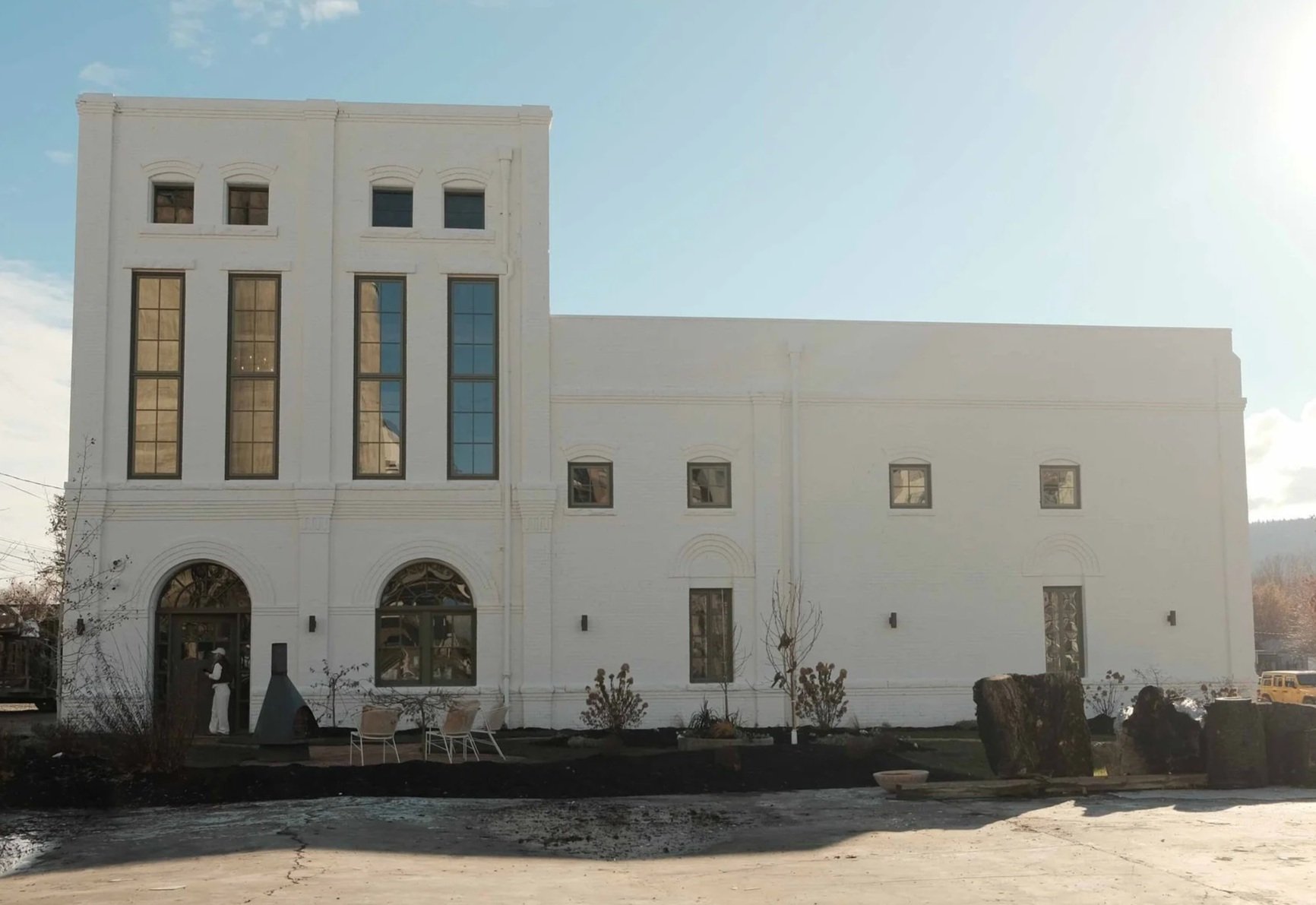
Commercial to Residential Conversion and Adaptive Reuse Strategies
This commercial to residential conversion breathes new life into a 133-year-old brewery in Kalispell, Montana. Working within the constraints of a historic industrial shell, Green Couch Design navigated rigid commercial safety codes to develop a highly intentional mixed-use residence as the lead architects on this project. The project leverages commercial-grade detailing to balance modern habitability with the building's original industrial character.
The design emphasizes site efficiency, historic preservation, and code-compliant living—demonstrating how legacy structures can be successfully reimagined for contemporary residential use. Material restoration, structural reinforcement, and strategic additions create a unified architectural language that respects the building’s 19th-century roots.
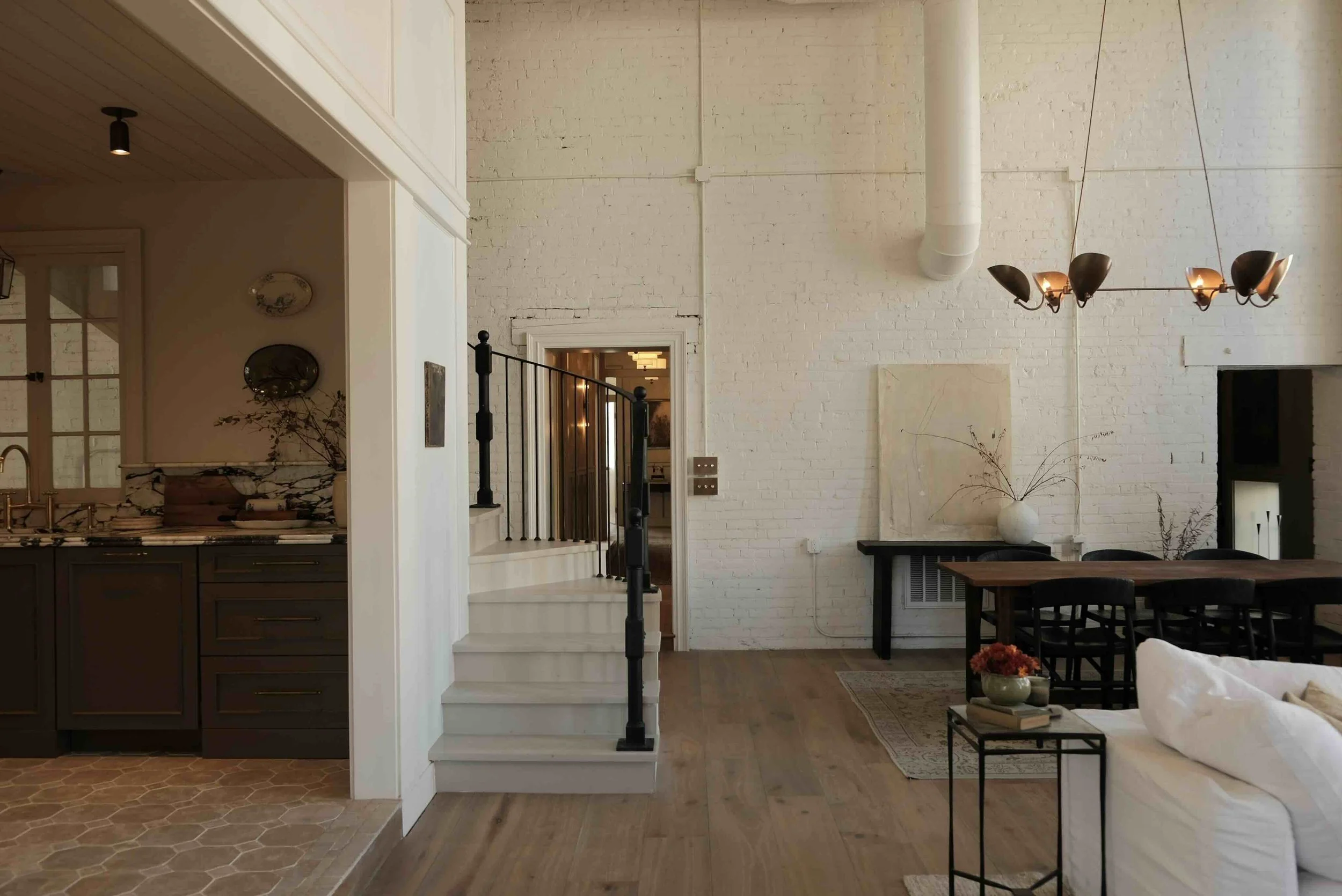
Historic Preservation & Material Restoration
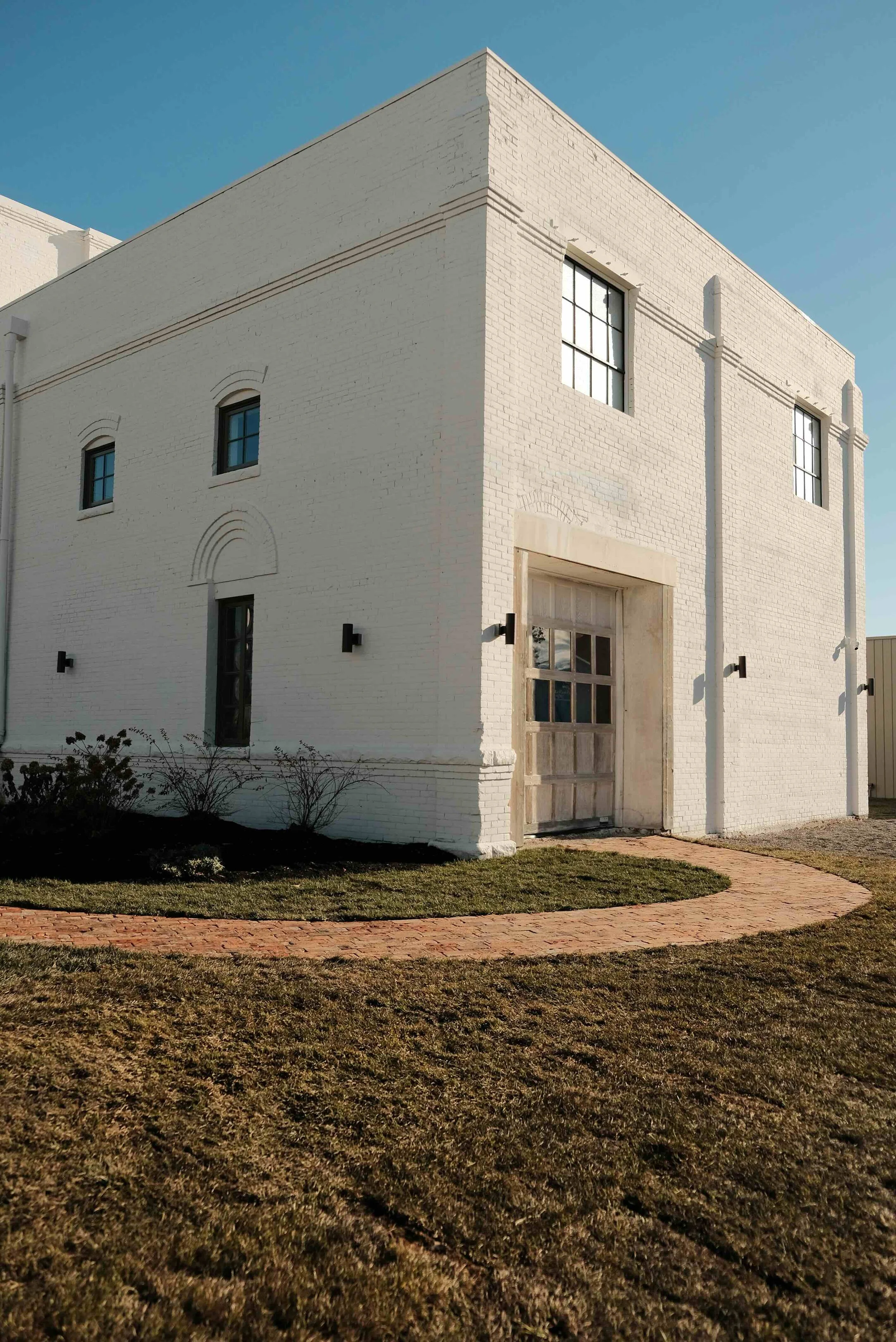
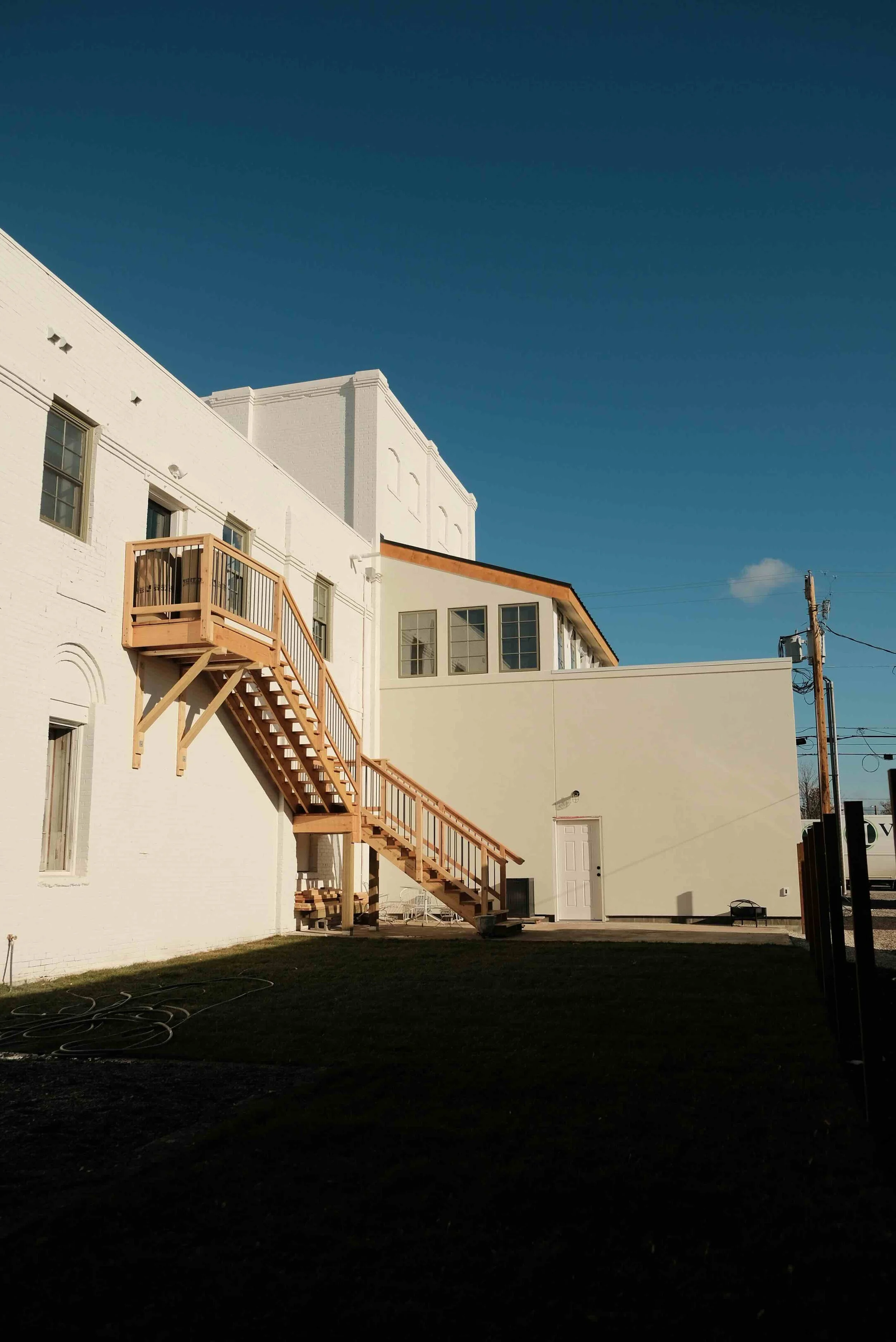
Preserving the building’s original character was central to our design approach. While modern safety codes required a full replacement of the original industrial stairs, we designed a custom solution that honors the building's past by repurposing the original steel railing and historic posts. Every new intervention was crafted to respect the proportions, material language, and historic fabric of this 19th-century brewery.
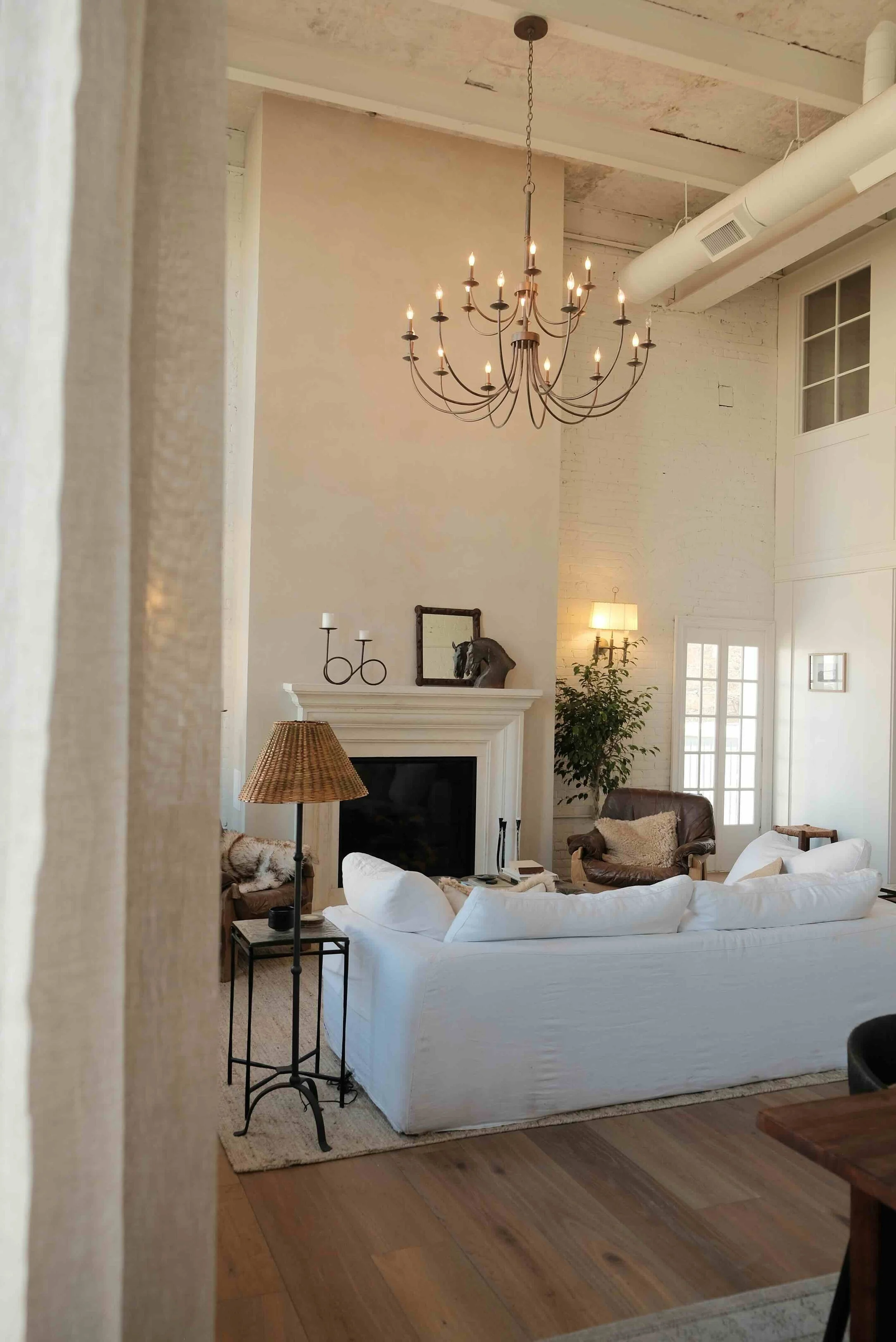
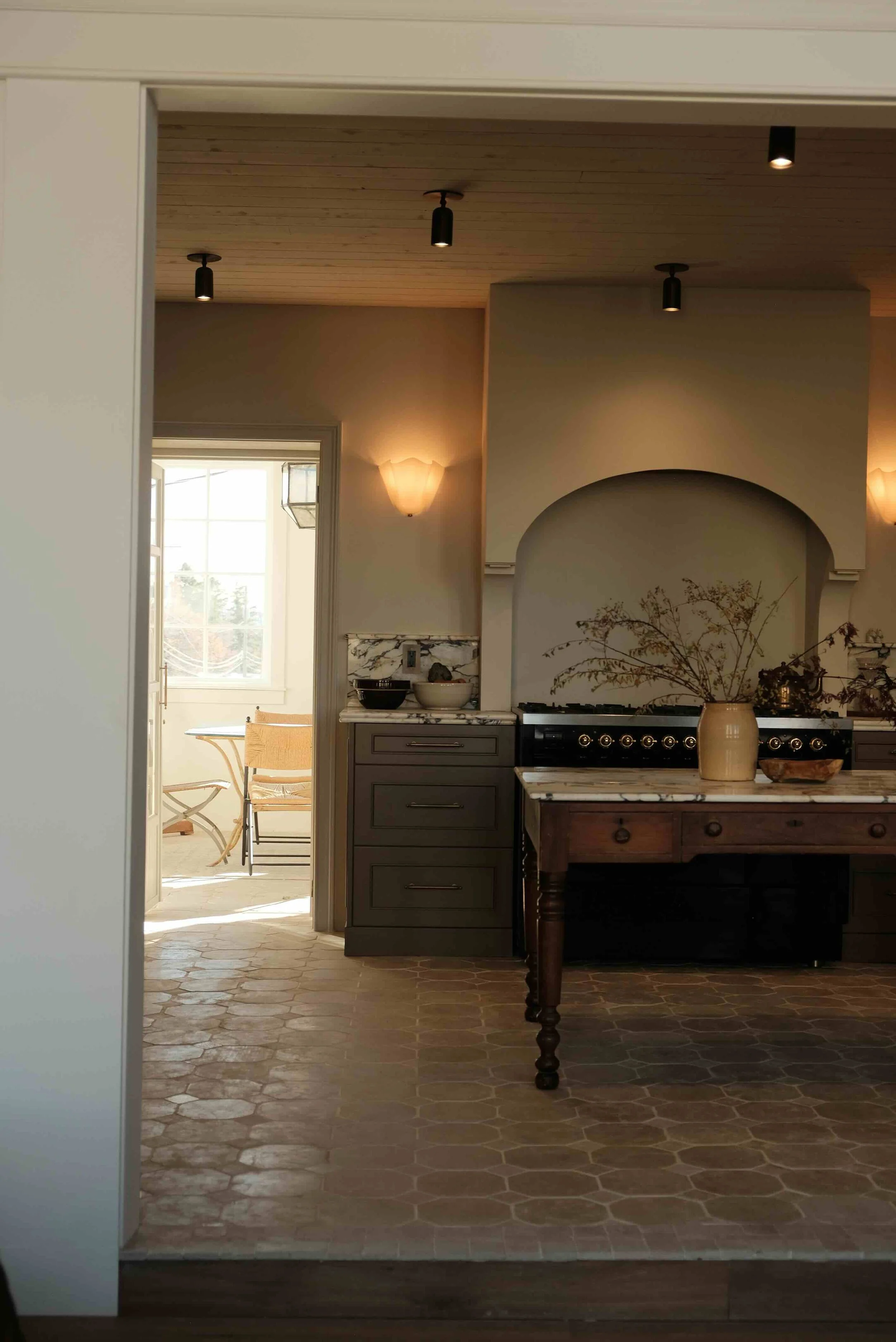
Residential Planning Within an Industrial Shell
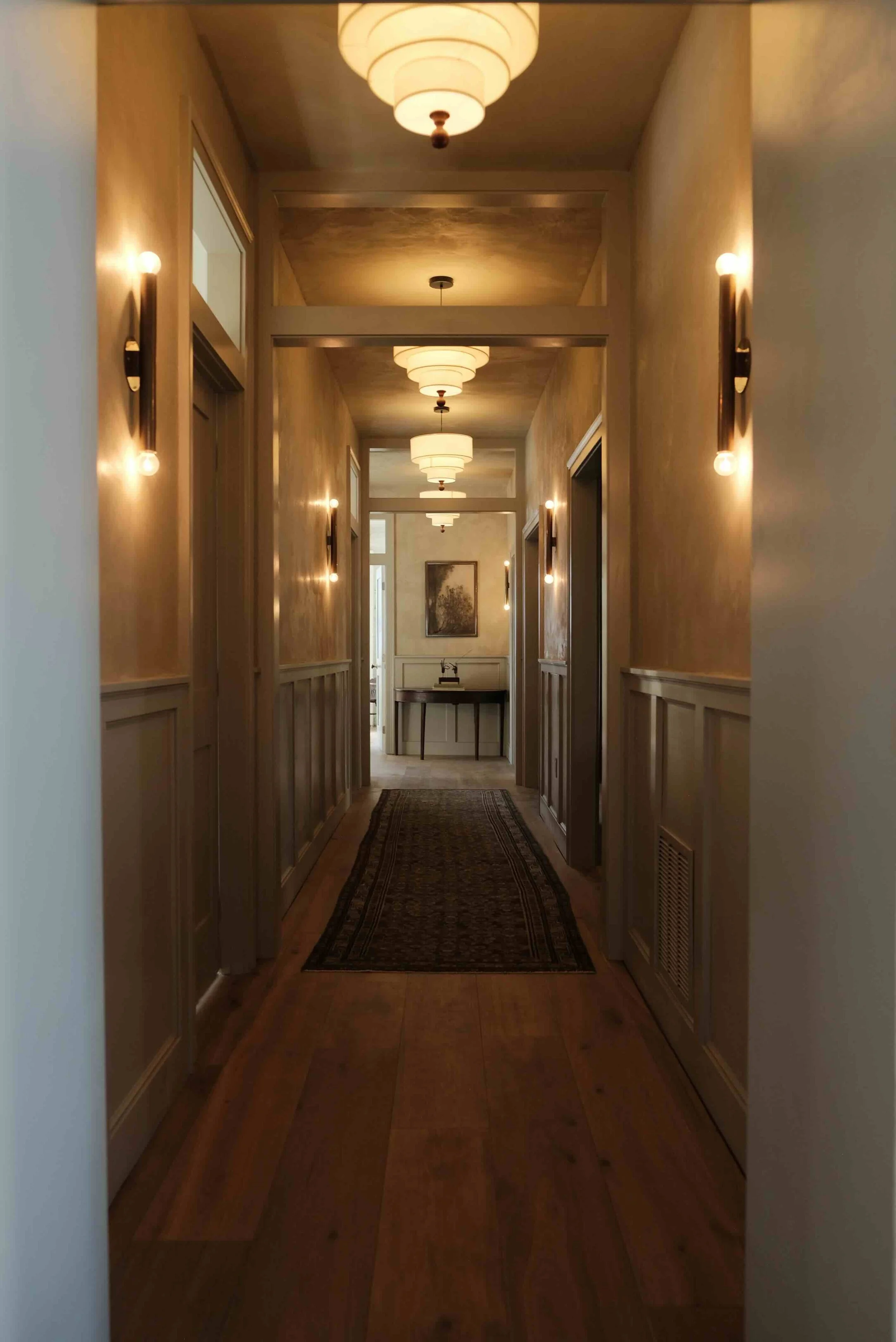
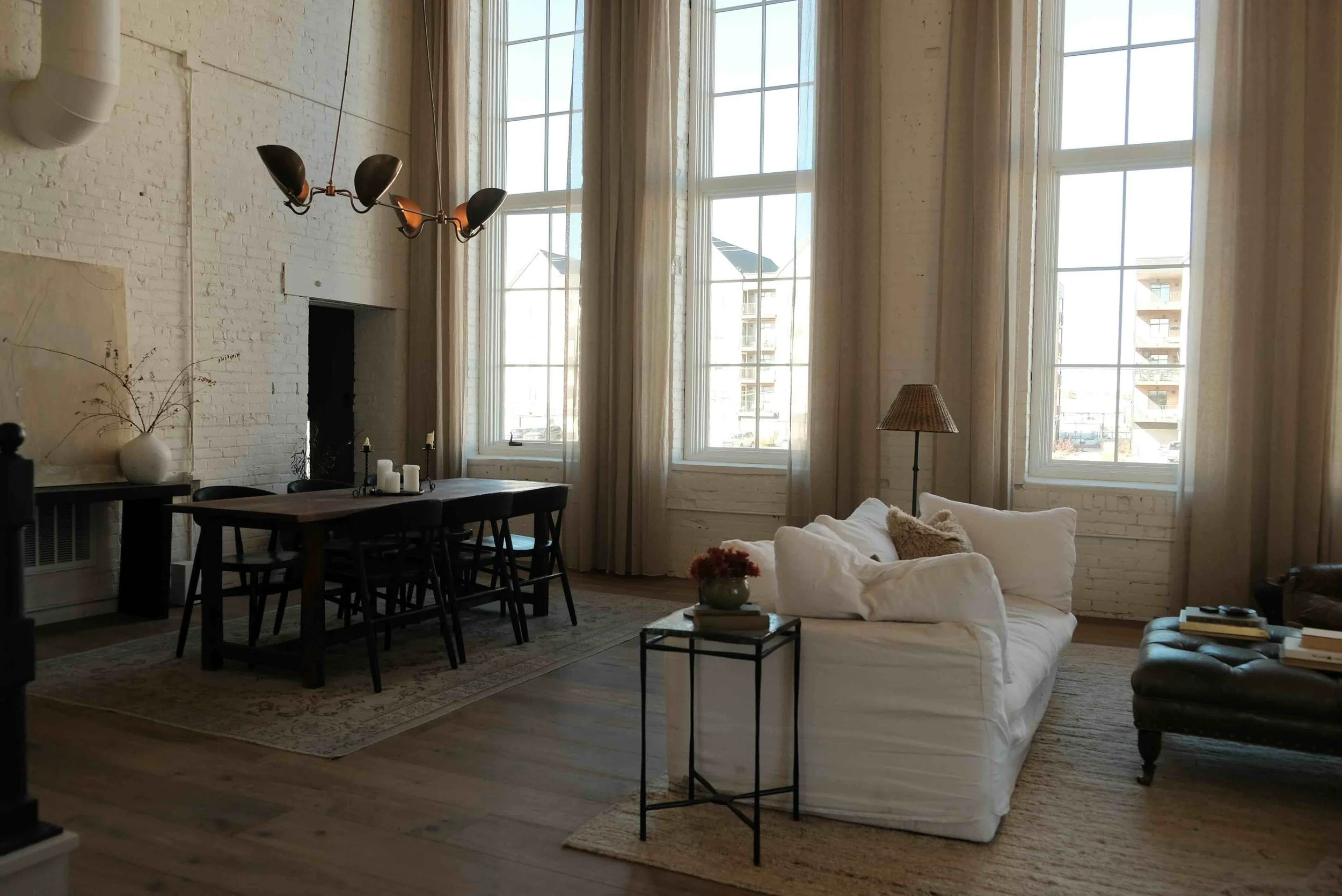
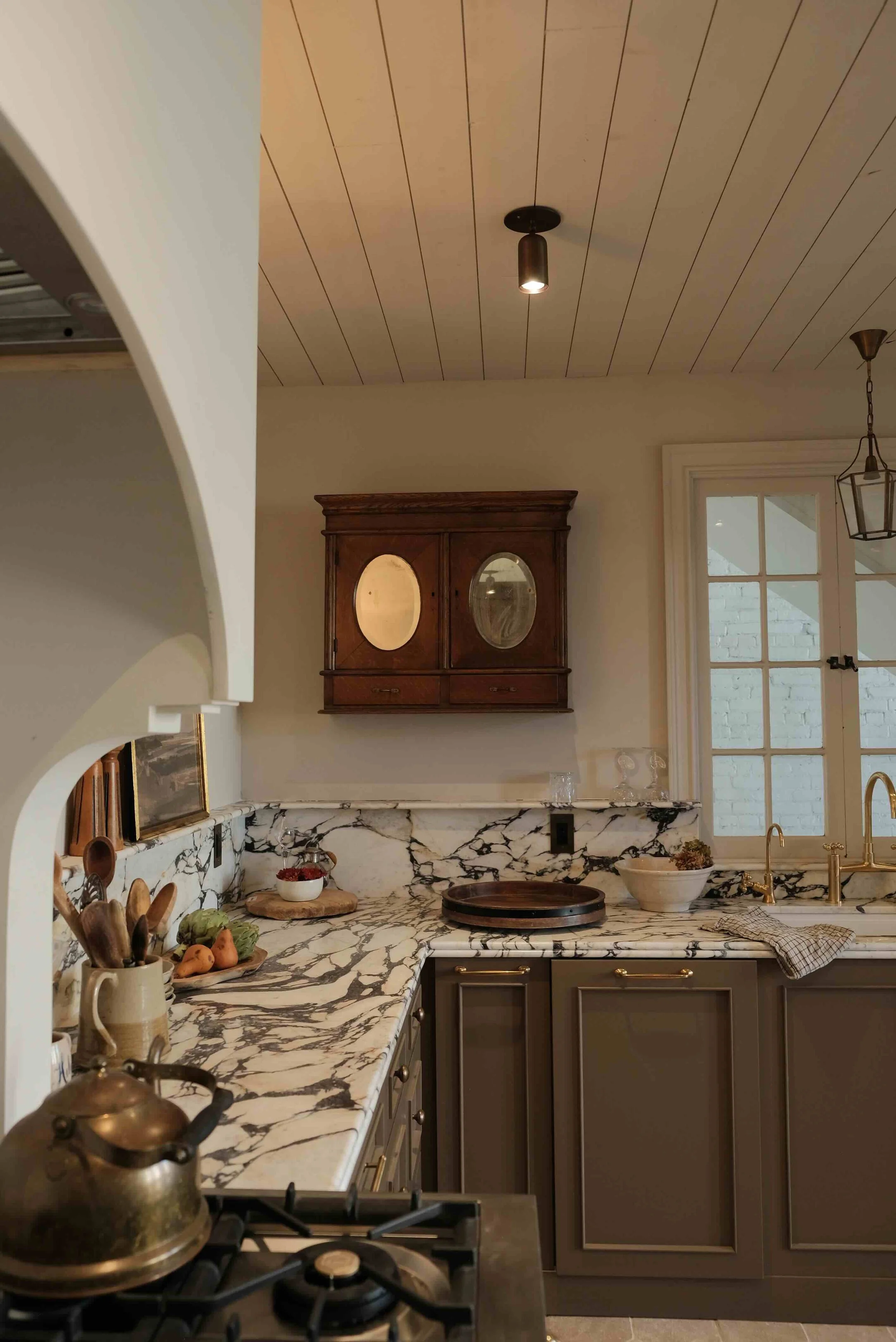
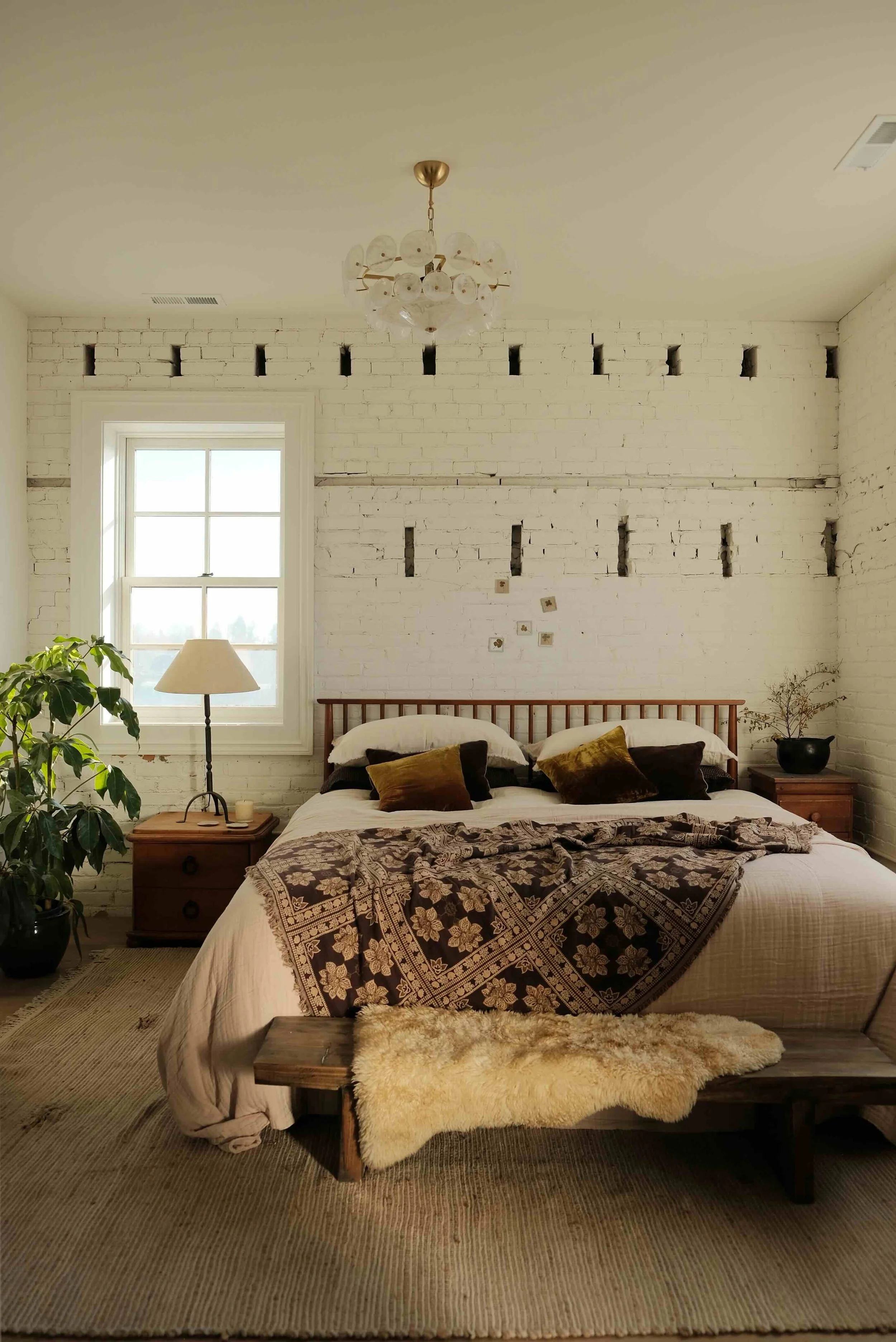
Transforming an industrial floor plate into a livable home required strategic planning rather than excessive subdivision. A new loft office was introduced above the kitchen to add functional workspace while preserving volume and openness. Living spaces were organized to maximize daylight, circulation, and flexibility within the constraints of the existing structure.
Commercial-to-Residential Code Strategy
Because the residence sits entirely above a public space, the project required commercial-grade detailing and mixed-use code compliance. We addressed fire separation, sound transmission, and structural integrity through a commercial architecture lens without sacrificing the comfort and usability expected in a private home.
Secondary Egress & Life Safety
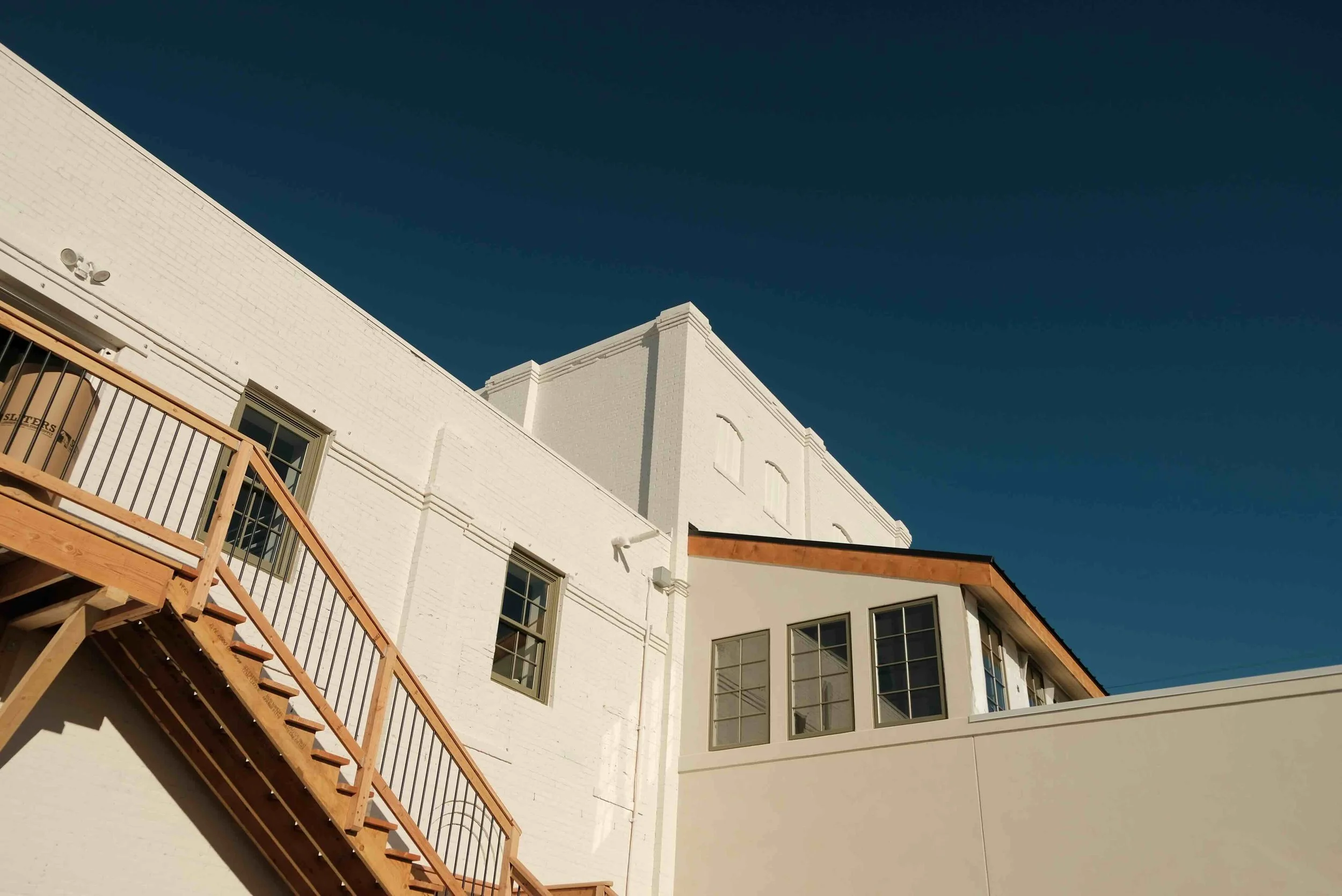
While not always required in traditional residential projects, a secondary egress stair was designed to improve overall life safety. This addition enhanced emergency exiting while serving as a functional access point to the backyard, supporting everyday residential needs without compromising code requirements.
Project Overview
Project Category: Mixed-Use / Commercial to Residential Conversion
Building Type: Historic Industrial / Adaptive Reuse
Delivery Method: Design Development + Historic Preservation Strategy
Project Goals
Maximize residential livability within a commercial industrial shell.
Provide a seamless transition between ground-floor commercial use and private living.
Preserve original architectural elements like the industrial steel stair railing and arched masonry.
Incorporate meaningful private outdoor environments, including a rooftop sunroom.
Navigate complex zoning and life safety permitting for a change-of-use model.
This conversion demonstrates how adaptive reuse can transform 19th-century industrial architecture into highly intentional, modern residences. By balancing rigid commercial safety codes with a focus on historic character, this project provides a replicable blueprint for preserving community heritage while meeting contemporary housing needs.