Adaptive Reuse Architecture: Reimagining a Montana Brewery
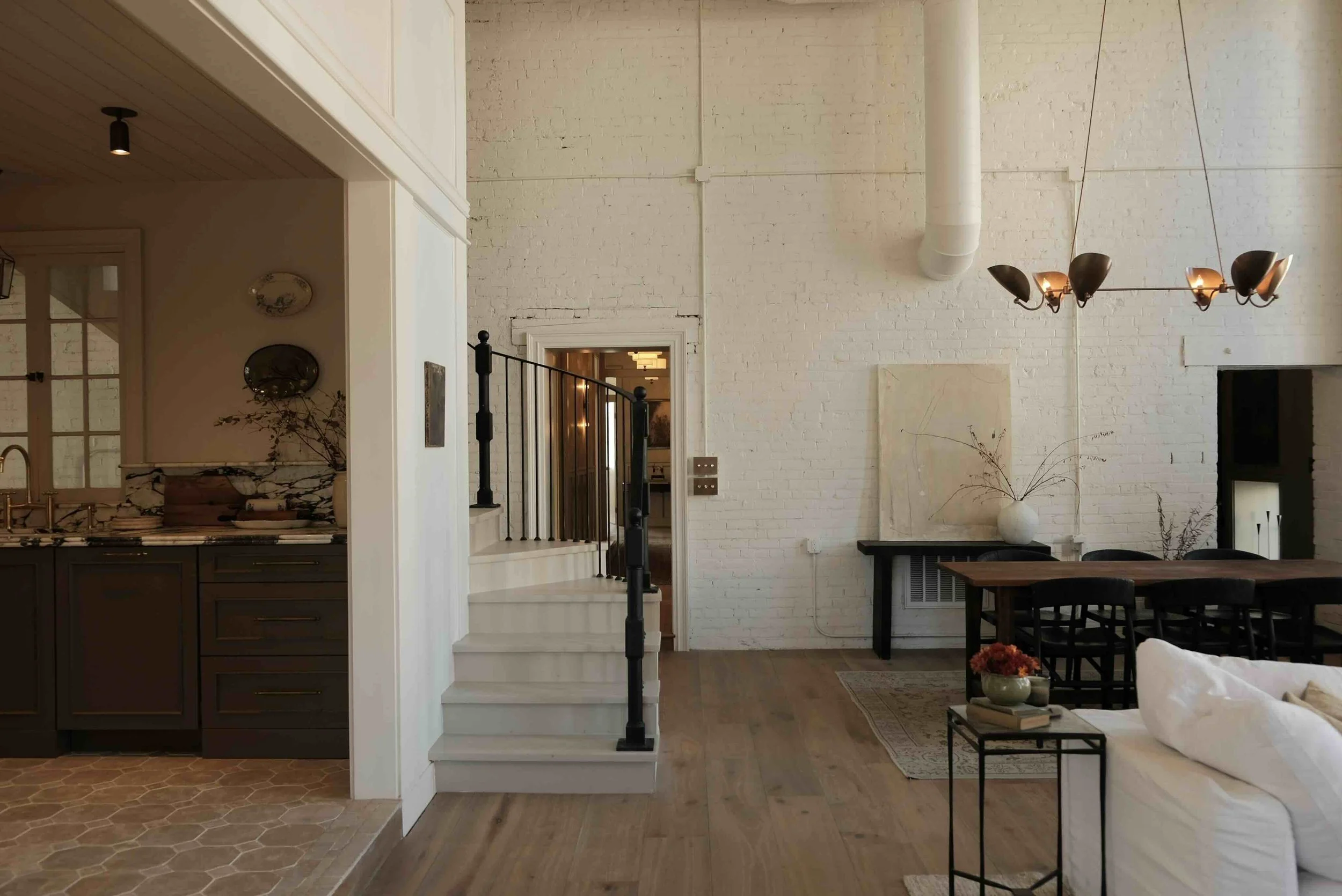
When you’re standing inside a 133-year-old brewery in Kalispell, Montana, you don't just see a building—you see a puzzle. For us, this wasn't just about clearing a site for something new; it was an exercise in honoring the brewery's industrial bones while making it livable for today. Our team was tasked to help convert this industrial icon into a highly intentional mixed-use residence, balancing rigid commercial safety codes with the warmth of a modern home. Here is how we preserved the history of the structure while expanding its potential.
What Is Adaptive Reuse Architecture?
Adaptive reuse architecture is the process of transforming an existing building for a new use while preserving the elements that give it historical, cultural, or architectural value. These projects often involve commercial-to-residential conversion, mixed-use development, or historic preservation efforts where demolition is neither practical nor desirable.
Unlike ground-up construction, adaptive reuse requires architects to work within existing structural systems, building envelopes, and code conditions. It demands creativity, technical precision, and a deep respect for the building’s original intent. For this project, adaptive reuse meant honoring a century-old brewery while designing a functional, code-compliant residence above an active ground-floor use.
Project Overview: A Small-Scale Mixed-Use Conversion
This project involved the transformation of a historic brewery building into a mixed-use structure with residential living on the second level. The entire residence was located above a commercial ground floor, requiring a commercial mindset in both design and documentation.
The second floor was converted into a full residence totaling approximately 2,410 square feet, featuring three bedrooms, two and a half bathrooms, and multiple living spaces. To support modern living needs, several additions were thoughtfully integrated, including a rooftop sunroom, a rooftop hot tub area, and a new garage structure.
Key Additions Included
316 square feet for the rooftop sunroom
386 square feet dedicated to the rooftop hot tub area
721 square feet for a new garage addition
Rather than overpowering the original structure, each addition was designed to feel intentional, restrained, and in dialogue with the existing building.
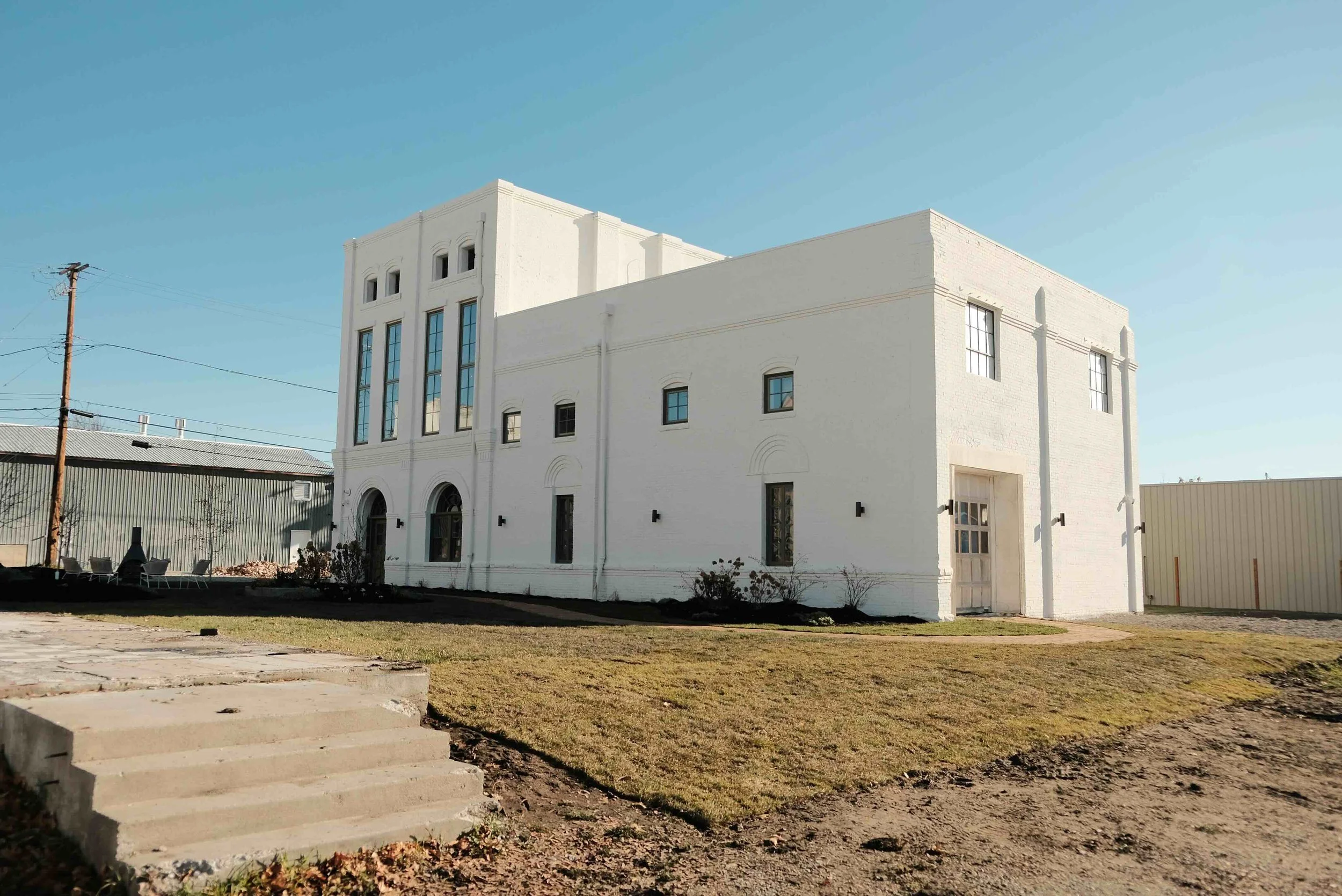
Historic Preservation and Architectural Character
One of the defining aspects of this adaptive reuse architecture project was the preservation of original architectural elements. While modern safety codes required a full replacement of the original industrial stairs, we designed a custom solution that honors the building's past by repurposing the original steel railing and historic posts. Every new intervention was crafted to respect the proportions, material language, and historic fabric of this 19th-century brewery.
Exterior fenestration was handled with similar care. While new windows were required, their proportions, patterning, and detailing were designed to visually align with the original arched openings and brickwork. Maintaining the rhythm of the façade was critical to preserving the building’s historic character, even as its function changed.
These types of preservation decisions are more commonly found in commercial historic preservation projects, yet they were essential here due to the mixed-use nature of the building.
Navigating Life Safety and Code in a Commercial-to-Residential Conversion
Because the residence occupied the entire second floor above a commercial space, life safety considerations played a significant role in the architectural strategy. While a secondary egress stair is not always required in traditional residential design, our team recommended it to improve fire safety and overall building access.
The additional stair served multiple purposes. It enhanced emergency egress, improved daily circulation, and created more functional access to the backyard for both the homeowners and their dog. This dual-purpose solution reflected our belief that safety-driven decisions can also improve day-to-day livability.
Blending residential comfort with commercial code requirements required a careful approach to detailing, documentation, and coordination with consultants. The drawings and specifications were developed with a commercial mixed-use mindset, even though the finished space feels warm and residential.
Designing for Modern Living Within a Historic Shell
Inside the residence, the design focused on making the space feel open, functional, and light-filled without erasing the building’s industrial roots. A new loft space was introduced above the kitchen to serve as a home office, adding square footage and flexibility without altering the building’s exterior massing.
The rooftop additions created a private retreat that connected the home to its mountain surroundings. The sunroom and hot tub area provided year-round usability and framed views of Kalispell’s landscape, reinforcing the idea that adaptive reuse can feel both grounded in history and fully contemporary.
Every decision was guided by how the homeowners would live in the space, not just how it would photograph or read on paper.
Why Adaptive Reuse and Mixed-Use Projects Matter
Small-scale mixed-use and adaptive reuse projects like this one play an important role in communities. They preserve architectural history, reduce material waste, and allow existing buildings to remain active contributors to the urban fabric.
This project demonstrated how commercial architecture expertise, historic preservation knowledge, and residential design sensitivity can come together to create something both practical and meaningful. It required attention to detail, flexibility, and a willingness to engage deeply with the existing structure rather than working around it.
Our Role in Adaptive Reuse Architecture Projects
At Green Couch Design, adaptive reuse architecture sits at the intersection of commercial expertise and residential heart. Projects like this require an understanding of zoning, code, life safety, and construction realities, paired with a commitment to thoughtful, values-driven design.
From early planning through detailed documentation, our role was to help the client navigate complexity with clarity and confidence, ensuring the final result honored the building’s past while supporting its future.
Final Notes
This Kalispell brewery transformation is more than just a renovation; it's a blueprint for how we can keep local history active and functional. By blending commercial architecture expertise with a sensitivity for residential living, we were able to turn an industrial shell into a sanctuary that feels both grounded and contemporary. Whether you're looking to revitalize a historic storefront or reimagining a commercial space, we're here to help you navigate the complexity. Ready to discuss your own project? Reach out to us to get started.

About Author Megan Lopp
Megan is part-owner of Green Couch Design, a boutique architecture firm located in Oklahoma. Megan writes in her spare time about all things architectural design, interior design, and business ownership.