5 Reasons Why Your Medical Office Design Costs You Patients
1. Inefficient Layouts and the Hidden Cost of Wait Times
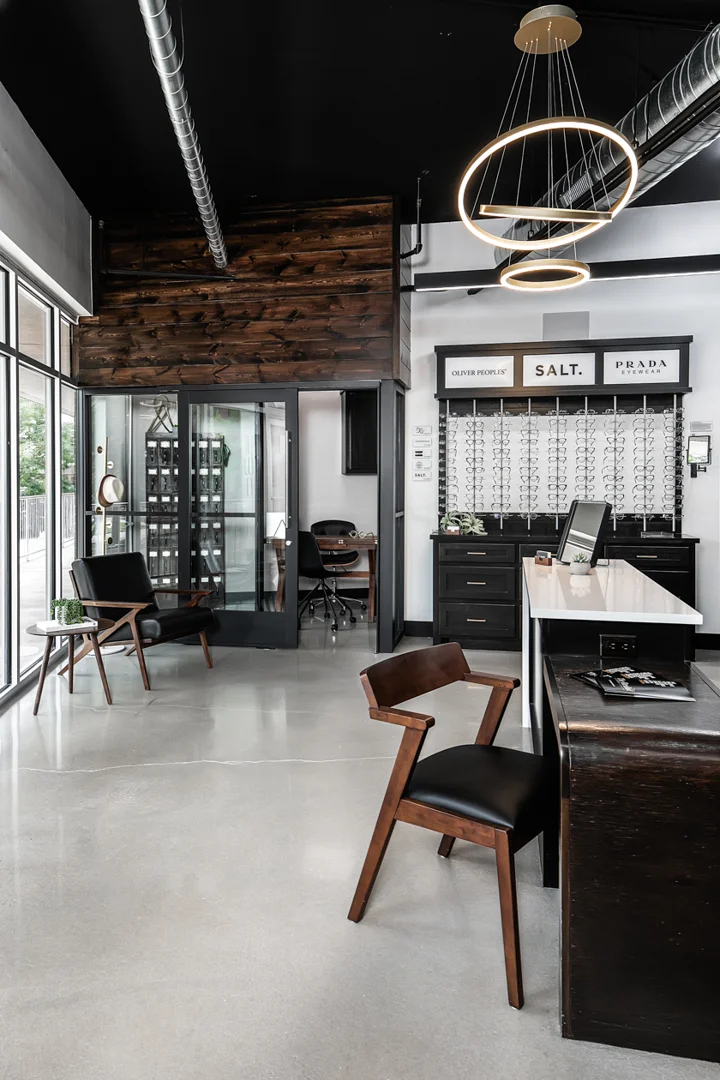
Why Your Medical Office Design Is Costing You Patients is a question more practices should be asking — because the answer is often hiding in plain sight.
Here are the five core reasons your medical office design may be driving patients away:
- Inefficient layouts that create long wait times and frustrated patients
- Poor first impressions from dated, clinical, or unwelcoming spaces
- Lack of privacy and poor acoustic control that makes patients feel exposed
- Physical barriers that block accessible, comfortable patient flow
- Neglected psychology of the clinical environment — lighting, nature, and noise all matter more than most practices realize
Most practices don't lose patients in one dramatic moment. They lose them slowly — through small frustrations that add up. A confusing layout. A waiting room that feels cold. A website that won't load on a phone. A hallway too narrow for a wheelchair. None of these feel urgent on their own. Together, they quietly erode the trust patients need to stay — and refer others.
Research backs this up. Studies show that 63% of patients would switch doctors over long wait times, and that visually engaging environments can reduce perceived wait time by 37%. First impressions in the waiting room directly shape how patients perceive the quality of care they receive — before a single appointment begins.
The good news: every one of these problems is fixable. And most don't require a full rebuild.
When we evaluate a medical practice, we look at the floor plan as a performance tool. If your layout is disorganized, your staff spends half their day walking. In architecture, we use a concept called the "Priority Pyramid" to solve this. This framework prioritizes the physician’s efficiency first—minimizing the steps they take between rooms—followed by staff workflow, and finally, the patient experience.
When a physician’s movement is optimized through "exam pods" (grouping exam rooms around a central provider workstation), the entire practice speeds up. Conversely, an unoptimized workflow leads to the number one patient complaint: long wait times. Research on physician production and practice flow suggests that spatial inefficiencies directly limit the number of patients a provider can see, which translates to lost revenue and increased patient frustration.
At Green Couch Design, we believe healthcare architecture should eliminate the "backtracking" that happens in older offices. When patients, nurses, and doctors are all tripping over each other in a single narrow hallway, the perceived chaos makes patients feel like their care is being rushed or handled haphazardly.
Maximizing Revenue-Generating Square Footage
Every square foot of your office has a price tag. In Oklahoma City, medical office buildings often command a 17% rent premium over standard professional offices. If you are paying that premium for a hallway that is five feet wider than it needs to be, or a massive storage closet filled with paper files from 1998, you are losing money.
The "70% rule" is a helpful benchmark: at least 70% of your square footage should be dedicated to revenue-generating areas like exam rooms, procedure suites, or consultation areas.
| Space Type | Revenue Impact | Design Goal |
|---|---|---|
| Exam/Procedure Rooms | High | Maximize count and turnover |
| Waiting Area | Neutral/Low | Minimize size, maximize comfort |
| Administrative/Storage | Low | Consolidate and minimize |
| Clinical Workstations | High (Efficiency) | Centralize to pods |
Reducing Perceived Wait Times Through Visual Engagement
Sometimes, the clock isn't the enemy—boredom is. When patients sit in a sterile room with nothing to look at but a stack of outdated magazines, five minutes feels like twenty. This is where the psychology of facility design impacts the patient experience.
By introducing visual distractions—such as dynamic digital art, interesting architectural textures, or views of the outdoors—you can reduce a patient's perceived wait time by up to 37%. Purposeful design shifts the patient's focus from their anxiety to their environment, making the wait feel like a brief transition rather than a burden.
2. Why Your Medical Office Design Is Costing You Patients Through Poor First Impressions
Patients judge the quality of your clinical care based on the quality of your lobby. It may not feel fair, but it is the reality of human psychology. If your wallpaper is peeling or your chairs are uncomfortable, patients subconsciously assume your medical technology is equally outdated.
This "reputation spillover" is documented in real estate trends. Research on hospital quality ratings and medical office rent premiums shows that being located near high-quality, high-rated hospitals allows medical offices to command higher rents because patients associate that proximity with better care. Your interior design should capitalize on this same principle.
The Shift from Clinical to Comfortable
The days of "hospital white" walls and flickering fluorescent lights are over. Modern medical design is leaning heavily into hospitality-inspired aesthetics. We focus on creating a "warm" atmosphere through the use of wood elements, acoustic ceiling tiles to dampen noise, and comfortable, individual seating. Patients avoid couches because they don't want to sit thigh-to-thigh with a stranger while they are feeling unwell.
Understanding the commercial architecture process helps us integrate these hospitality elements without compromising the clinical hygiene required for a medical space.
Lighting and the Psychology of Care
Lighting is one of the most powerful tools in an architect's kit, yet it is often the most neglected in medical offices. Harsh, blue-toned fluorescent lighting triggers the body’s stress response, heightening patient anxiety. We prefer a mix of natural light and "warm" incandescent-style LED lighting.
Scientific research on green design and commercial office performance indicates that access to natural light not only improves patient outcomes but also boosts staff morale and retention. A doctor who isn't squinting under bad lights all day is a doctor who provides better care.
3. Lack of Privacy and Acoustic Control in Clinical Spaces
Healthcare environments demand a level of privacy that many older medical offices simply were not designed to support. Unfortunately, when patients feel like their conversations can be overheard, trust erodes quickly.
HIPAA regulations require reasonable safeguards for patient privacy, yet in many practices, conversations at the reception desk can be heard across the waiting room, and exam room discussions carry into hallways. Patients notice this immediately.
Acoustic privacy is one of the most overlooked aspects of healthcare design, but it directly affects patient comfort. If someone discussing a sensitive health issue feels exposed, they may hesitate to speak openly — which can affect both the quality of care and their willingness to return.
Common privacy failures we see include:
• Thin walls between exam rooms
• Hard flooring and ceilings that amplify sound
• Reception desks positioned too close to waiting areas
• Open check-in counters without acoustic buffers
Architectural solutions can dramatically improve both privacy and patient comfort.
Acoustic ceiling tiles, sound-absorbing wall panels, and strategic room placement can reduce sound transmission between spaces. In many modern healthcare offices, reception areas now include semi-private check-in stations instead of a single open counter.
Exam room placement also matters. When exam rooms are positioned away from high-traffic corridors, patients feel less exposed and clinicians can speak freely without worrying about sound carrying through the building. Thoughtful acoustic design doesn’t just protect compliance — it improves the entire patient experience. Patients who feel safe, private, and respected are far more likely to trust their provider and return for future care.
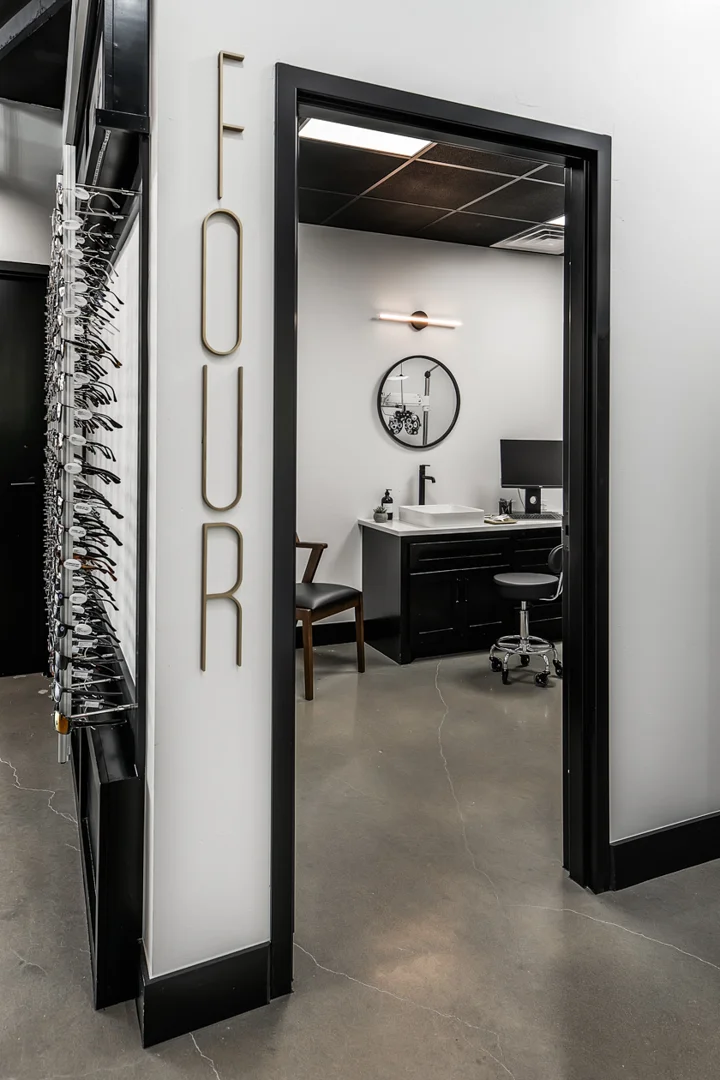
4. Physical Barriers and the Lack of Patient-Centric Flow
Accessibility isn't just a legal requirement under the ADA—it’s a cornerstone of patient-centric care. If a senior patient has to navigate a "split-level" entrance or a heavy manual door, they may decide the visit isn't worth the physical struggle.
In projects like the IHS Drive-Thru Clinic Pawnee, we prioritize flow that meets the patient where they are, reducing physical barriers to care.
Navigating Physical Barriers: Why Your Medical Office Design Is Costing You Patients
Common design flaws include hallways that are too narrow for two people to pass comfortably (high-traffic halls should be 1.5 to 2 times the standard width) and reception desks that are too high for patients in wheelchairs. These barriers send a message: "This space wasn't built for you."
Scientific research on the impact of competition on management quality suggests that practices in competitive markets (like the OKC metro) must prioritize management quality, which includes the physical management of the patient journey. We help our clients by navigating OKC commercial zoning and permitting to ensure their space is both compliant and welcoming.
Standardizing the Exam Room Experience
An ideal exam room is typically 10x10 feet. This size allows for a 60-inch wheelchair turning radius, a side-entry door for privacy, and enough space for a family member to accompany the patient. Standardization is key here. If every exam room is laid out differently, your staff loses seconds every hour looking for supplies.
In our work on the Barking Waters Head Start Facility Remodel, we applied these principles of standardized, purposeful layouts to ensure that the space serves its users efficiently every single day.
5. Overlooking the Psychological Impact of Clinical Environments
The "white coat syndrome" is real—patients are often anxious the moment they step into a medical setting. Biophilic design (bringing the outdoors in) is one of the most effective ways to combat this.
Scientific research on nature views and shorter hospital stays has shown that patients with views of trees required fewer painkillers and recovered faster than those staring at a brick wall. While you might not have a forest outside your Oklahoma City office, you can use nature-inspired artwork, indoor plants, and natural materials like stone and wood to achieve a similar psychological effect.
Integrating Technology Without Losing the Human Touch
Modern medicine requires screens, but screens shouldn't come between a doctor and a patient. We design exam rooms where EHR (Electronic Health Record) workstations are positioned so the doctor can type while still maintaining eye contact or sharing the screen with the patient.
Just as we discuss in designing early childhood education spaces, the environment should facilitate connection, not hinder it. Using tablets for shared viewing or mounting monitors at eye level can transform a clinical interaction into a collaborative one.
Infection Control as a Design Feature
Post-pandemic, patients are hyper-aware of hygiene. Visible infection control measures—like touchless faucets, antimicrobial flooring, and advanced UV air purification systems—provide a sense of safety that keeps patients coming back.
Scientific research on green certification and building performance highlights that these "intangible" features of a building—its health and safety standards—significantly impact the value and performance of the space.
Frequently Asked Questions about Medical Office Design
How do I know if my office layout is causing patient loss?
Watch your waiting room. If it is consistently full but your revenue isn't growing, you likely have a "bottleneck" in your layout. Also, look at your patient satisfaction surveys; if "wait times" or "office environment" are common complaints, your design is working against you.
What are the most cost-effective ways to modernize a medical space?
You don't always need to move walls. Updating your lighting to a warmer color temperature, replacing old "standard" office chairs with supportive, individual seating, and adding biophilic elements like plants or nature-themed murals can make a massive difference for a relatively low investment.
Why is mobile responsiveness more important than desktop design for doctors?
Most patients search for healthcare providers while they are on the go or experiencing a symptom. They are using their phones. If your site is difficult to navigate on a small screen, they will move to the next provider in the search results who has a user-friendly mobile experience.
Conclusion
At Green Couch Design, we don't just "decorate" medical offices. We create purposeful architecture that serves the people inside it. Whether it's through optimizing your workflow to give you back an hour of your day or designing a lobby that makes your patients feel at ease the moment they walk in, our goal is to build a legacy of functional beauty.
If you’re concerned that your current space is holding your practice back, let’s talk. We can help you audit your design and create a plan that turns your office into your most effective tool for patient retention.