Designing Early Childhood Education Spaces 101
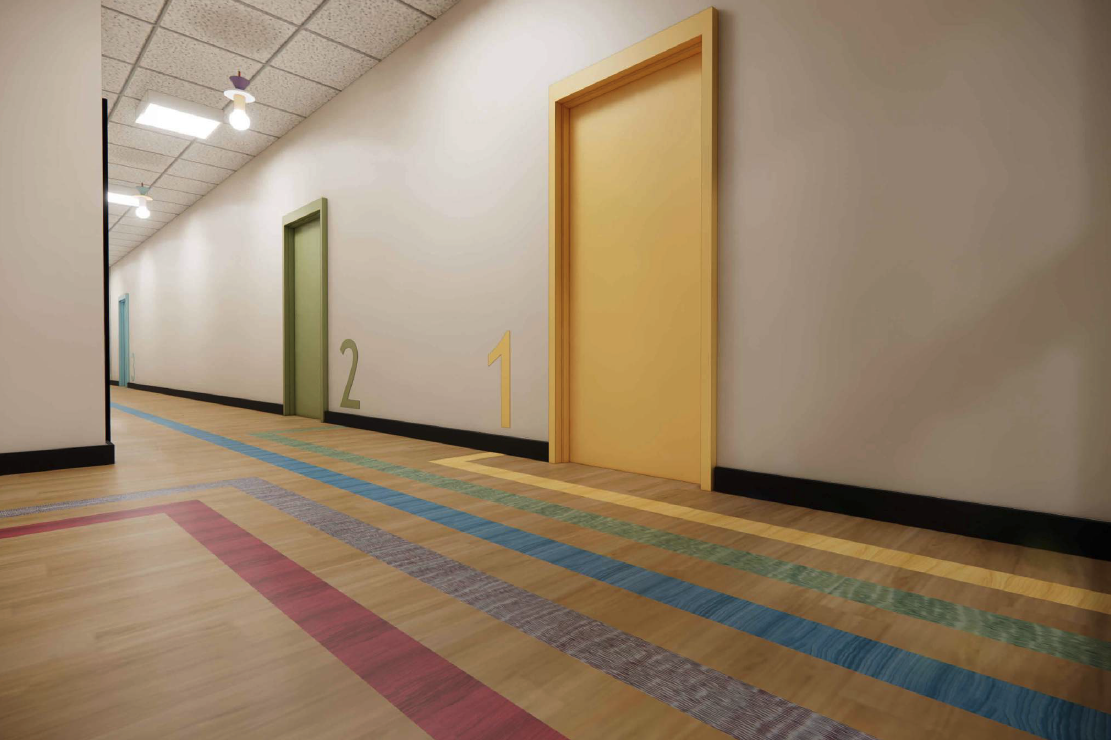
Designing Early Childhood Education Spaces is one of the most consequential decisions an institution can make. Research shows that the physical learning environment contributes to nearly 25% of a student's achievement over their academic year. In early childhood—when cognitive, social, and emotional foundations are being laid—those design choices carry even more weight.
Key Principles for Early Childhood Spaces:
- Safety first – Protocols and protective conditions must be non-negotiable
- Pedagogical organization – Spaces should invite exploration, interaction, and collaboration
- Spatial flexibility – Adaptable, agile environments that grow with children's needs
- Empowerment and authorship – Design that enables children to shape their own learning
- Child-centered design – Scaled to children's bodies, ratios, and developmental stages
The spaces we create for young learners communicate messages before a single word is spoken. A classroom with natural light, clear pathways, and accessible materials tells children they are capable and trusted. A playground with varied topography, natural materials, and sensory features teaches resilience and curiosity. These are not decorative choices—they are structural supports for human development.
The Impact of Designing Early Childhood Education Spaces on Development
When we talk about Education Architecture, we aren't just discussing walls and windows. We are discussing the "third teacher." In early childhood education (ECE), the environment is considered just as influential as the educators and the curriculum itself.
For children with intellectual disabilities or special cognitive needs, the physical environment is even more critical. With a median 2% prevalence rate of intellectual disabilities in many populations, we must design for the edges to ensure the middle is supported. A well-designed space reduces overstimulation, provides clear wayfinding, and offers "escape valves" for children who need a moment of quiet. By prioritizing sensory engagement and inclusive layouts, we create a foundation where every child, regardless of their starting point, can thrive.
Designing Early Childhood Education Spaces for Play
Play is the primary "work" of a child. Therefore, the architecture of a school should be an invitation to play. We believe in integrating natural elements directly into the building's footprint. This includes features like secured courtyards with interactive mounds, stepping logs, and seasonal observation points.
Biophilic design—the practice of connecting people to nature through the built environment—is not just a trend; it is a developmental necessity. For example, Biophilic design at James L. Capps Middle School demonstrates how views of nature and natural light improve focus and reduce stress. In ECE settings, we can take this further by using large windows that provide a visual connection to the outdoors and using materials like wood and stone that bring the textures of the Oklahoma landscape inside.
Designing Early Childhood Education Spaces for Independence
A space that serves a child must be built to their scale. When a child can reach their own materials, choose their own activities, and clean up after themselves without adult intervention, they develop a sense of agency.
To foster this independence, we utilize:
- Low, open shelves: These allow children to see and access toys and tools easily.
- Child-scale furniture: Tables and chairs that allow feet to touch the floor help children feel secure and focused.
- Clear storage and visual labels: Using bins with pictures and words helps children understand where things belong, promoting a sense of order and responsibility.
- Accessible sinks and toilets: Designing wet areas with child-height fixtures encourages self-care routines from a young age.
Functional Classroom Layouts and Learning Zones
Effective Designing Early Childhood Education Spaces requires a deep understanding of traffic patterns and boundaries. A classroom shouldn't feel like a large, open gym where children are tempted to run; it should feel like a series of intentional "rooms within a room."
We use furniture, rugs, and floor changes to define clear interest centers. This creates visual boundaries that tell a child, "This is where we build," or "This is where we read." By separating active zones from quiet zones, we minimize disruptions and allow children to deeply engage in their chosen tasks.
| Zone Type | Recommended Activities | Design Features |
|---|---|---|
| Active Zones | Block building, dramatic play, music | Higher ceilings, durable flooring, open space for movement |
| Quiet Zones | Reading, listening, sensory play | Lower ceilings, soft rugs, acoustic dampening, subdued lighting |
| Messy Zones | Art, science, snack time | Proximity to water, easy-clean surfaces, natural light |
When planning these layouts, we pay close attention to the "runway effect." If there is a long, straight path through the classroom, children will naturally run. By curving paths or placing furniture to break up the line of sight, we encourage a calmer, more intentional pace.
Designing for Inclusivity and Special Cognitive Needs
Inclusivity is not a checkbox; it is a mindset. When we designed the Catalyst Youth Facility, we focused on how the environment could support diverse emotional and cognitive needs. This same approach applies to early childhood centers.
For children with ADHD or autism, the environment can often feel overwhelming. We mitigate this through:
- Sensory Affordances: Providing varied textures and "sensory quiet zones" where a child can retreat to reset.
- Wayfinding Landmarks: Using specific colors or tactile aids at child-height to help them navigate the building independently.
- Acoustic Dampening: High-quality insulation and soft furnishings are essential. Noise is one of the biggest stressors in a classroom, and reducing the "echo" can significantly improve a child's ability to focus on speech and social cues.
- Predictable Layouts: Consistency in where materials are kept helps reduce anxiety for children who rely on routine.
Technical Standards: Lighting, Air, and Safety
The "invisible" parts of a building—the air, the heat, and the light—are just as important as the floor plan. In ECE design, we often advocate for radiant heating. Because young children spend a significant amount of time on the floor, traditional forced-air systems can leave them in cold drafts. Radiant floor heating provides consistent, direct warmth where the children actually are. You can read more about the scientific research on radiant heaters in ECE to see why this is a preferred choice for health and comfort.
Lighting and Air Quality Essentials:
- Natural Daylighting: Large windows and even skylights reduce the need for harsh artificial lighting, which has been linked to increased irritability in young children.
- Warm LED Lighting: When artificial light is needed, we avoid flickering fluorescents in favor of warm, dimmable LEDs that mimic natural light cycles.
- Cross-flow Ventilation: Ensuring fresh air can move through the space is vital for reducing the spread of illness and keeping CO2 levels low, which supports brain function.
- Non-toxic Materials: From low-VOC paints to natural wood finishes, every material must be safe for children who may still be exploring the world with their hands and mouths.
Frequently Asked Questions about ECE Design
How does classroom arrangement act as a "second teacher"?
The physical layout communicates expectations. If materials are organized and beautiful, it teaches children to respect their tools. If there are cozy nooks, it tells them that rest is valued. The environment guides behavior without the teacher having to say a word.
What are the best materials for an inclusive playground?
Move away from plastic and primary colors. Use natural materials like wood, sand, and water. Incorporate topography like small hills and tunnels, which provide different levels of physical challenge and sensory input for children of all abilities.
Why is indoor-outdoor connectivity vital for preschoolers?
Children don't distinguish between "learning time" and "outside time." Having a direct connection to a courtyard allows for seamless transitions. It enables teachers to bring the curriculum outdoors—whether that’s counting logs or observing how shadows change throughout the seasons.
Conclusion
At Green Couch Design, we believe that Designing Early Childhood Education Spaces is an act of building for the future. These projects are about more than just square footage; they are about creating a legacy of learning and resilience for Oklahoma's youngest citizens.
Our process is collaborative and intentional. We work closely with educators and administrators to ensure that every design decision serves the child, the teacher, and the community. If you are looking for a partner to help you create a purposeful, beautiful, and functional early learning environment, we invite you to view our architecture portfolio and see how we bring these principles to life.