Tenant Improvements 101: What Owners Need to Know
What Every Business Owner Should Know About Tenant Improvements Before Signing a Lease

Tenant Improvements can shape your budget, timeline, and day-to-day operations long before you open the doors, so business owners need to understand them before signing a lease.
Here's a quick summary before we go deeper:
| Key Question | Short Answer |
|---|---|
| What are tenant improvements (TIs)? | Structural or cosmetic modifications made to a leased commercial space to fit a tenant's specific needs |
| Who pays for them? | Usually the landlord, through a negotiated Tenant Improvement Allowance (TIA) |
| What's covered? | Walls, flooring, HVAC, plumbing, lighting, ceilings — permanent, attached improvements |
| What's not covered? | Furniture, signage, equipment, moving costs |
| Who owns them at lease end? | The landlord, in most cases |
| What's the first step? | Negotiate TI terms before signing the lease |
Commercial spaces are rarely move-in ready. Most are delivered as a blank shell — functional on the outside, unfinished on the inside. Turning that shell into a space that actually works for your business takes planning, negotiation, and the right team.
The stakes are real. With roughly 1 in 5 U.S. businesses failing in their first year, every decision made before opening day carries weight. A poorly negotiated TI agreement — or no agreement at all — can drain your budget before you serve your first customer.
At Green Couch Design, our team has spent years helping business owners turn raw commercial spaces into places that work beautifully from day one. With deep experience in branding, design, and commercial architecture, we know how tenant improvements can shape your budget, timeline, and long-term success. In this guide, we'll walk you through what matters most - clearly, practically, and without the jargon.
Defining Tenant Improvements
At its core, a tenant improvement (TI) is a customized alteration made to a commercial rental property to make it functional for a specific business. Whether you are opening a boutique in Midtown OKC or a medical clinic in Edmond, the space you lease likely won't fit your workflow perfectly on day one.
It is important to distinguish between tenant improvements and building improvements. Building improvements benefit every tenant in the complex—think of a new roof, a repaved parking lot, or a modernized lobby. Tenant improvements, however, are specific to your unit. While building improvements maintain the asset's overall value, TIs are about your operational needs.
We view this as a commercial architecture process that bridges the gap between a landlord’s empty asset and a tenant’s thriving business. For the landlord, these improvements are an investment in a long-term, high-credit tenant. For you, they are the literal foundation of your daily operations.
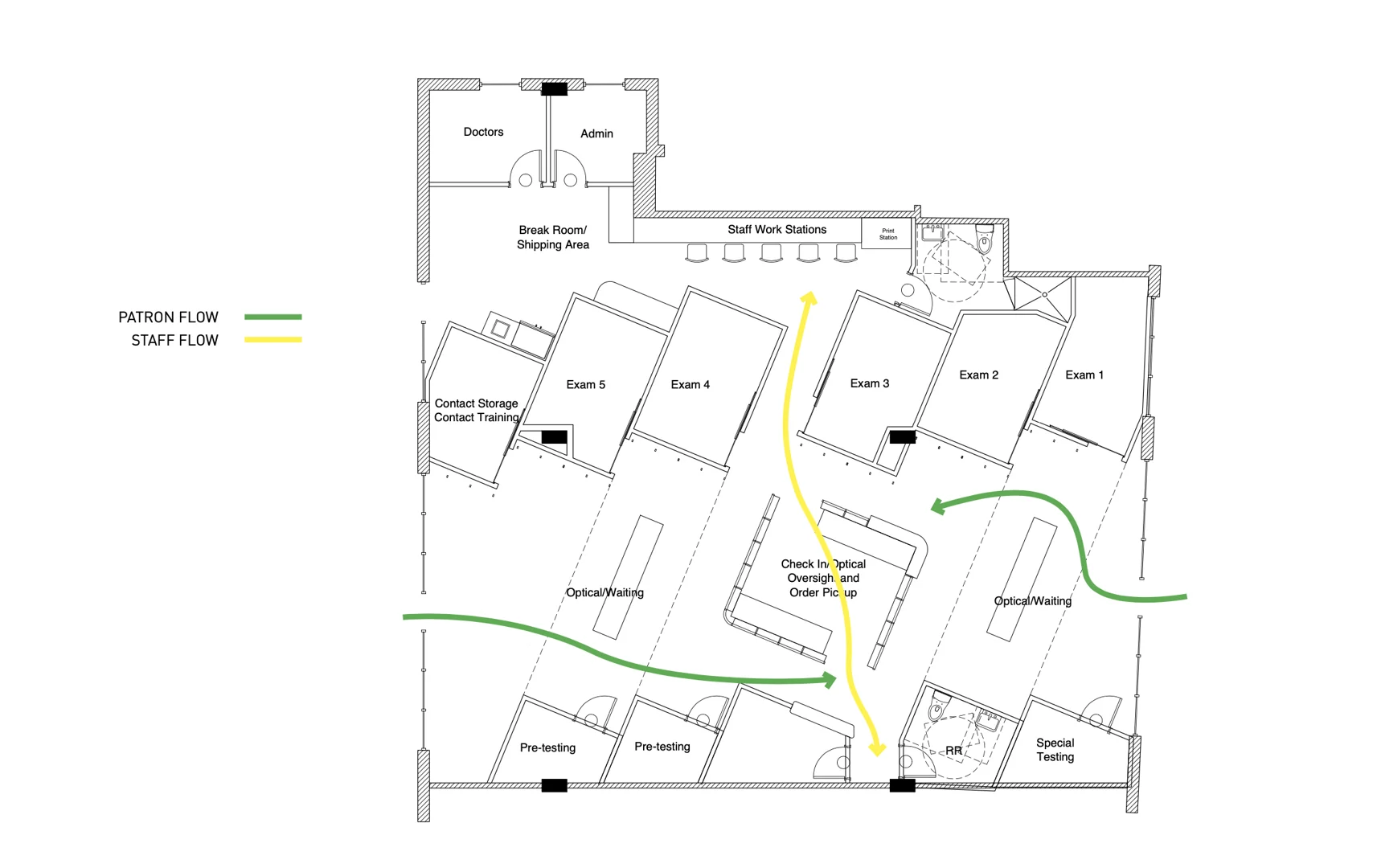
Common Examples of Tenant Improvements Explained: What Business Owners Need to Know Before Leasing a Space
What does this look like in practice? Common TIs include:
- Interior Walls and Partitions: Creating private offices, exam rooms, or conference areas.
- Flooring and Ceilings: Replacing standard "builder grade" carpet with durable LVP or installing specialized acoustic ceiling tiles.
- HVAC and Plumbing: Upgrading ventilation for a restaurant or adding sinks for a healthcare facility.
- Lighting: Moving from flickering fluorescent tubes to intentional, branded LED fixtures.
A great example of this is our work on the Cornerstone Lobby and Cafe. We took an existing structure and implemented structural modifications and interior finishes that transformed the space into a functional, welcoming environment tailored to its specific community use.
Qualifying vs. Non-Qualifying Expenses
Not every dollar spent on your new office counts as a "tenant improvement" in the eyes of a landlord or the IRS. Understanding the difference between hard and soft costs is vital for your budget.
Hard Costs: These are the physical construction expenses tied to the space itself. Think demolition, framing, electrical work, plumbing, drywall, and flooring. Because these improvements become part of the building, they usually qualify for a TI allowance.
Soft Costs: These are the planning and administrative expenses that help move the project from idea to completion. They can include architectural fees, permits, legal review, engineering, and project management. As outlined in this Tenant Improvement & TI Allowance Guide for Commercial Tenants, soft costs are often necessary but may only be covered if your lease clearly says so.
Non-Qualifying Expenses: In most cases, movable items do not count as tenant improvements. That includes furniture, workstations, business-specific equipment, signage, and relocation costs. These are usually treated as trade fixtures, which means they remain your property and are typically paid for separately.
The Financials: Understanding the TI Allowance (TIA)
The Tenant Improvement Allowance (TIA) is essentially a credit or a pool of money offered by the landlord to help cover the costs of your build-out. In Oklahoma’s commercial market, this is a major negotiation point. Landlords use it as an incentive to secure long-term leases, especially for tenants with strong credit.
There are two primary ways a TIA is structured:
| Structure Type | How It Works | Best For |
|---|---|---|
| Per Square Foot (PSF) | Landlord provides a set dollar amount per square foot (e.g., $40/sq. ft.). You manage the budget. | Tenants who want full control over design and contractor selection. |
| Turnkey Build-out | Landlord handles the entire construction process based on an agreed-upon plan. | Small business owners who don't want to manage a construction project. |
Tenant Improvement Allowance: All You Need to Know suggests that while turnkey sounds easier, it often gives the landlord the incentive to use the cheapest materials possible to save on their own costs. A PSF allowance, paired with a trusted architect, usually yields a higher-quality result that is built to last.
Managing Cost Overruns and Disbursements
One of the biggest risks in Tenant Improvements is the "budget creep." If your construction costs exceed the negotiated allowance, you are typically responsible for the difference.
We always recommend building a 10-15% contingency into your initial budget. Furthermore, understand how the money is paid out. Landlords rarely hand over a check on day one. Usually, funds are disbursed in stages after inspections or as a reimbursement once the "Certificate of Occupancy" is issued. If you are a startup, you’ll need to ensure you have the cash flow to cover these initial payments before the landlord pays you back.
Navigating the Tenant Improvement Process in Oklahoma
The process of modifying a commercial space in Oklahoma City or Midwest City requires a clear roadmap. It isn't just about picking paint colors; it’s about navigating local regulations and technical requirements.
Roles and Responsibilities
A successful TI project is a collaborative effort. Here is who you need on your team:
- The Landlord: Provides the allowance and must approve all final plans.
- The Tenant (You): Defines the business needs and manages the budget.
- The Architect: This is where we come in. We don't just draw lines; we ensure the commercial design process in Oklahoma follows all safety protocols while maximizing your space's function.
- The General Contractor: Executes the physical build-out, manages trades, and ensures the project stays on schedule.
In projects like the Pawnee Courthouse Renovation, we coordinated with multiple stakeholders to ensure a historic structure could meet modern operational needs without losing its integrity.
Compliance and Building Codes
You cannot simply knock down a wall because it looks better. Navigating OKC Commercial Zoning & Permitting is a critical step. Your space must meet:
- ADA Accessibility: Ensuring restrooms, doorways, and counters are accessible to everyone.
- Fire Safety: Proper sprinkler placement, exit signage, and fire-rated walls.
- Zoning: Ensuring your specific business type is allowed to operate in that specific building.
Ignoring these requirements can delay your opening and create expensive problems later. Issues like poor circulation, accessibility gaps, and code missteps do not just affect operations, they can also shape how people experience your space, as we explain in this article on how medical office design can affect patient experience.
Strategic Planning: Future-Proofing and Common Pitfalls
We believe design decisions should be purposeful, not just aesthetic. When planning your TI, think about where your business will be in five or ten years.
Avoiding Costly Mistakes
The most expensive mistake you can make is waiting too long to involve a professional. Many business owners sign a lease and then call an architect, only to find out the TI allowance is half of what the actual construction will cost.
- Involve an Architect Early: We can help you assess a space before you sign. We look for "hidden" costs like outdated HVAC systems or plumbing that isn't up to code.
- Clear Lease Language: Ensure the lease specifies who pays for what, what happens to unused TI funds (can they be applied to rent?), and who is responsible for delays.
- Realistic Timelines: In the current market, permitting and materials can take longer than expected. If your rent starts in 60 days but construction takes 120, you’ll be paying for a space you can't use.
A project like the Cornerstone Church Exterior Renovation shows how intentional planning can revitalize a space while staying within the constraints of an existing footprint.
End-of-Lease Ownership and Restoration
What happens when your lease is up? In most commercial agreements, any "permanent" improvements (walls, flooring, built-in lighting) become the property of the landlord. What is a Tenant Improvement | Pros and Cons notes that some leases even include a "restoration clause," requiring you to return the space to its original condition at your own expense. Always check if you are allowed to remove your trade fixtures (like specialized equipment or branded signage) before you vacate.
Frequently Asked Questions about Tenant Improvements
Who typically pays for tenant improvements?
In a standard commercial lease, the landlord pays for a portion of the improvements through the TIA. However, if your needs are highly specialized (like a laboratory or a commercial kitchen), you will likely have to fund the excess costs yourself. Some landlords may offer "rent abatement"—a few months of free rent—instead of a cash allowance, allowing you to use your own capital for the build-out.
What happens to the improvements when I move out?
Generally, anything that is attached to the building stays with the building. This includes walls, HVAC, and plumbing. Trade fixtures—items specific to your business that can be removed without damaging the property—usually stay with you. However, the commercial tenant improvements process varies by state and lease language, so always refer to your specific contract.
How do I negotiate Tenant Improvements Explained: What Business Owners Need to Know Before Leasing a Space?
Your leverage depends on three things:
- The Market: If there are many vacant spaces in OKC, landlords will offer more.
- Lease Term: A 10-year lease will almost always get a higher TI allowance than a 3-year lease.
- Your Credit: Established businesses are seen as lower risk, making landlords more willing to invest in the space for them.
Conclusion
Navigating Tenant Improvements Explained: What Business Owners Need to Know Before Leasing a Space is one of the most significant hurdles a business owner faces. It is a process that requires a balance of financial strategy, legal protection, and purposeful design.
At Green Couch Design, we don't just see ourselves as architects; we are partners in your business’s legacy. We believe that every design decision should serve your people, your culture, and your community. Whether you are looking at a "vanilla shell" or a space that needs a total gut renovation, we are here to guide you through the OKC commercial architecture landscape with confidence and clarity.
Your space should work as hard as you do. Let's design something that can grow with you for years to come.