How to Master the Commercial Design Process in Oklahoma
What the Commercial Design Process in Oklahoma Actually Involves
The commercial design process Oklahoma businesses navigate is more structured than most people expect — and understanding it upfront saves time, money, and costly missteps.
Here is a quick overview of the seven core phases:
- Pre-Design / Programming - Define goals, budget, site conditions, and project scope
- Schematic Design - Explore conceptual layouts and early design directions
- Design Development - Refine the design with engineering coordination and material selections
- Construction Documents - Produce permit-ready drawings and technical submissions
- Construction Administration - Oversee construction with site visits and issue resolution
Each phase builds on the last. Skipping steps — or starting without a clear plan — is where most commercial projects run into trouble.
Oklahoma adds another layer of complexity: state licensing laws, building code requirements, and registration rules that govern who can legally design and seal commercial drawings. Knowing where your project falls within those rules matters from day one.
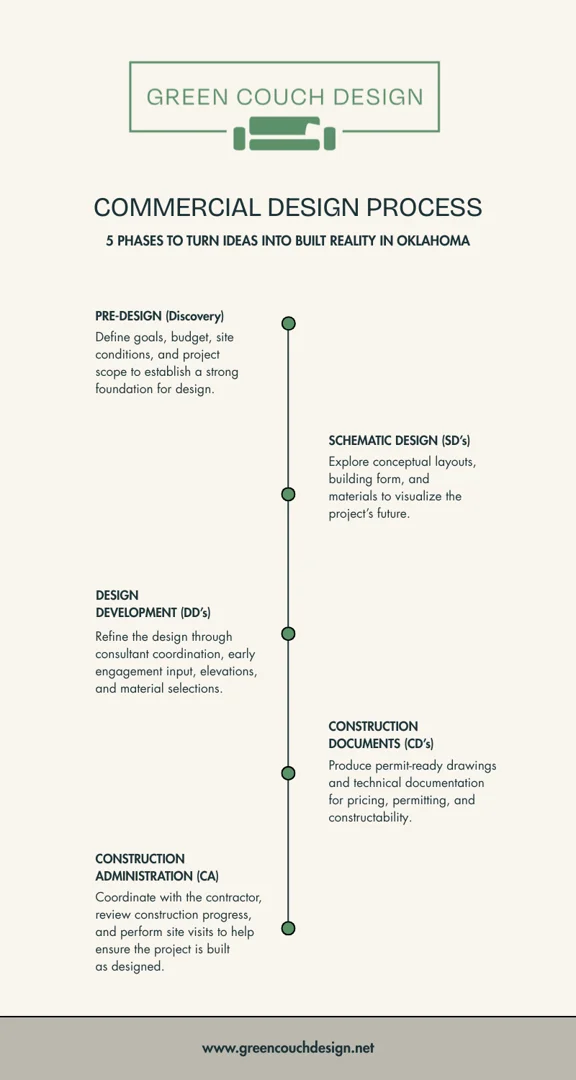
The 5 Phases of the Commercial Design Process in Oklahoma
Mastering the commercial design process Oklahoma requires more than just a good eye for aesthetics; it requires a disciplined progression from a vague idea to a physical structure. We view this process as a partnership. Great design isn't about the architect being "right"—it's about creating a space that serves your business goals, your employees, and your community.
Pre-Design and Programming
Before a single line is drawn, we start with programming. This is the "information gathering" stage. We sit down to discuss your vision, the number of employees the space needs to house, and how people will move through the building. We also look at the site itself. A thorough site analysis helps us understand topography, utilities, and local Oklahoma City zoning requirements before they become hurdles.
Feasibility and Budget Engineering
Can you actually build what you want on the land you have for the money you've allocated? This is where feasibility studies come in. We analyze square footage needs against estimated cost analysis. In our experience, the best time to bring in a design expert is at the very beginning. Early involvement allows us to influence space planning for better financial success and operational efficiency. We focus on budget engineering—evaluating cost alternatives to ensure the project remains viable without sacrificing the "soul" of the design. For a deeper dive into these early steps, see our Commercial Architecture Process Complete Guide.
Mastering the Commercial Design Process Oklahoma Phases
Once the foundation of the project is set, we move into the creative and technical refinement of the building.
Schematic Design and Conceptual Layouts
In schematic design, we translate the program into rough sketches and conceptual layouts. We explore how the building sits on the site and how the interior spaces relate to one another. This is a conversational phase. We present options, and you provide feedback. We aren't just looking for "pretty"; we are looking for "purposeful." This is especially true for specialized projects, which you can learn more about in our Boutique Architecture Complete Guide.
Design Development and Engineering Coordination
During design development, the "what" becomes the "how." We refine the mechanical, electrical, and plumbing (MEP) systems. In Oklahoma, engineering coordination is vital to ensure the building is resilient and efficient. We use 3D visualization and mood boards to help you see the space before it exists. This phase is also when we select materials—prioritizing quality and durability over "bigger is better."
Technical Submissions in the Commercial Design Process Oklahoma
The transition from design to construction requires a high level of technical precision and a deep understanding of local bureaucracy.
Construction Documents and Permit Sets
Construction documents are the detailed "instruction manual" for the builder. These technical submissions include sealed architectural drawings that meet the Oklahoma Uniform Building Code. These sets are what we submit to the city to obtain your building permit. If you are working within the metro area, Navigating OKC Commercial Zoning & Permitting is an essential part of this phase.
Bidding, Administration, and Closeout
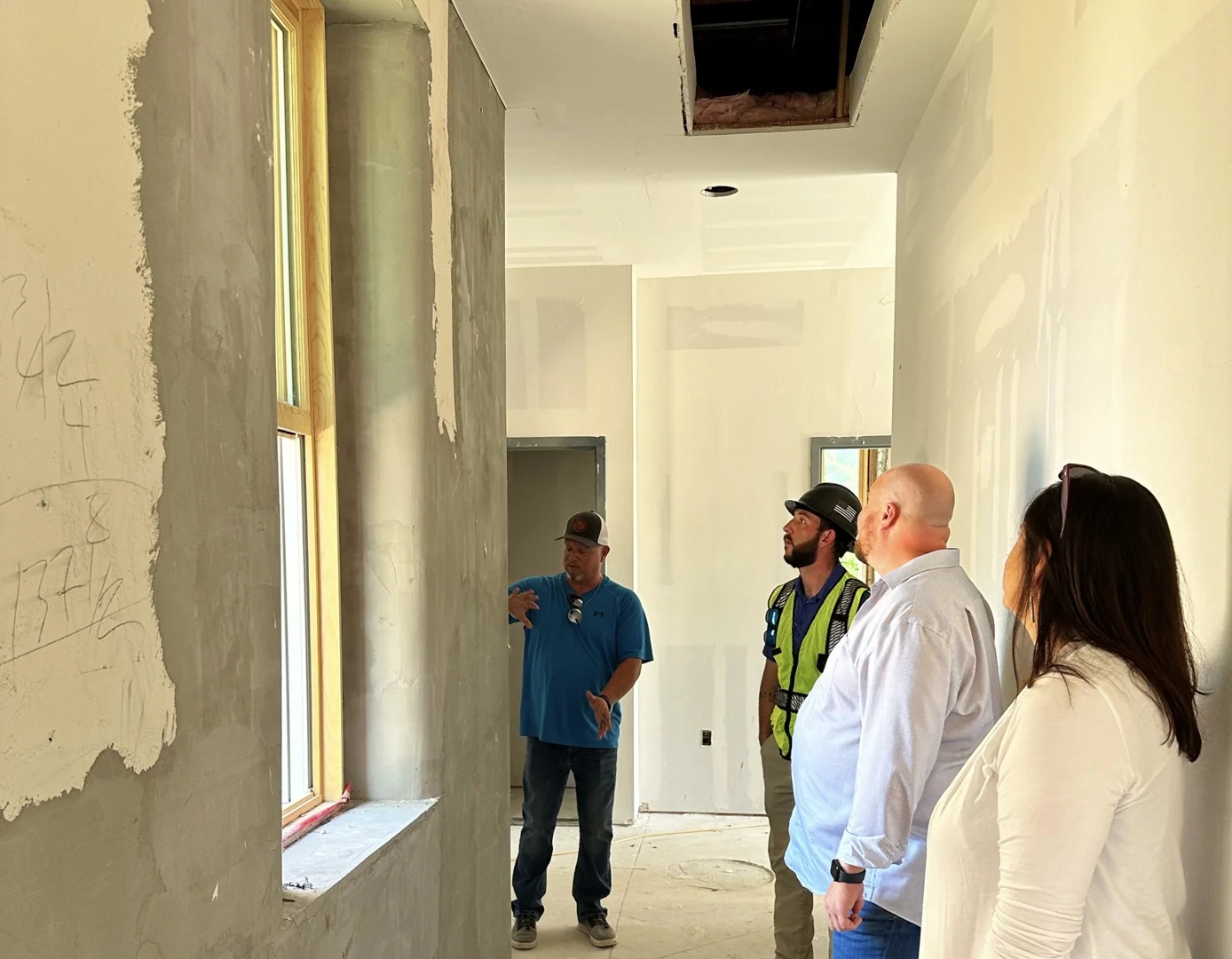
Once the documents are ready, we assist in the bidding and negotiation phase, helping you vet contractors who share our values of quality and integrity. During construction administration, we act as your advocate on-site. We conduct regular site visits to resolve issues and ensure the project stays true to the design intent. Finally, the post-construction closeout involves a final walkthrough and the delivery of "as-built" drawings, ensuring the building is ready for its legacy to begin.
Oklahoma Regulatory Standards and the Architectural Act
In Oklahoma, the practice of architecture and commercial interior design is governed by the State Architectural and Registered Commercial Interior Designers Act. This isn't just red tape; it is a legal framework designed to safeguard the life, health, and property of the public.
The Board of Governors oversees these professions. This 11-member board consists of six licensed architects, two licensed landscape architects, two registered commercial interior designers, and one lay member. They ensure that anyone practicing OKC Architecture meets strict standards of professional ethics and competence.
A key concept in Oklahoma law is "responsible control." This means the licensed professional must have direct supervision over the technical submissions. When an architect seals a drawing, they are taking legal responsibility for the safety and compliance of that design.
Licensing and Registration Requirements
To legally lead the commercial design process Oklahoma projects require, professionals must meet rigorous standards.
- Architects: Must have an accredited degree, completed the Architectural Experience Program (AXP), and passed the Architect Registration Examination (ARE).
- Registered Commercial Interior Designers: In Oklahoma, this is a protected title. Requirements include an accredited degree, at least two years of experience, and passing the NCIDQ examination.
- Landscape Architects: Must meet similar education and examination requirements to ensure outdoor spaces are safe and sustainable.
Licenses for architects and landscape architects, as well as Certificates of Authority for firms, must be renewed every two years. This ensures professionals stay current with Oklahoma City Architecture standards and continuing education requirements.
Oklahoma Building Codes: When a Licensed Architect is Mandatory
Not every "structure" requires a licensed architect, but most commercial projects do. Oklahoma building codes categorize buildings into "Code Use Groups." For projects involving public safety—such as assembly spaces, educational facilities, or high-occupancy offices—a licensed architect is mandatory to conduct life safety reviews and ensure building code compliance.
At Green Couch Design, we believe that OKC Commercial Architecture should always prioritize the well-being of the people inside. Whether it's a medical office or a retail build-out, the technical integrity of the space is non-negotiable.
Understanding Building Code Exemptions
Oklahoma law does provide specific exemptions where a licensed architect may not be required. These are typically based on the size, height, and use of the building.
| Code Use Group | Max Square Footage | Max Height | Architect Required? |
|---|---|---|---|
| Group B (Business) | 100,000 sq ft | 2 Stories | No (if under limits) |
| Group M (Mercantile) | 200,000 sq ft | 2 Stories | No (if under limits) |
| Public Buildings | Under $158,000 | N/A | No (if under value) |
While these exemptions exist for smaller projects or nonstructural repairs, many business owners still choose to hire a professional to ensure the long-term value and functionality of their investment. You can see examples of both large and small-scale work in our Commercial Portfolio.
Foundational Design Principles and Skill Mastery
Design is both a science and an art. In Oklahoma, even youth programs like Oklahoma 4-H Design & Construction emphasize these foundations. They teach that the "elements of design" (line, shape, texture, color, space) and "principles of design" (harmony, proportion, balance, rhythm, emphasis) are the building blocks of any successful project.
In professional practice, we apply these same principles to structural design and surface design. Structural design is about the "bones"—the function and stability of the building. Surface design adds the emotional quality and individuality that makes a space feel unique.
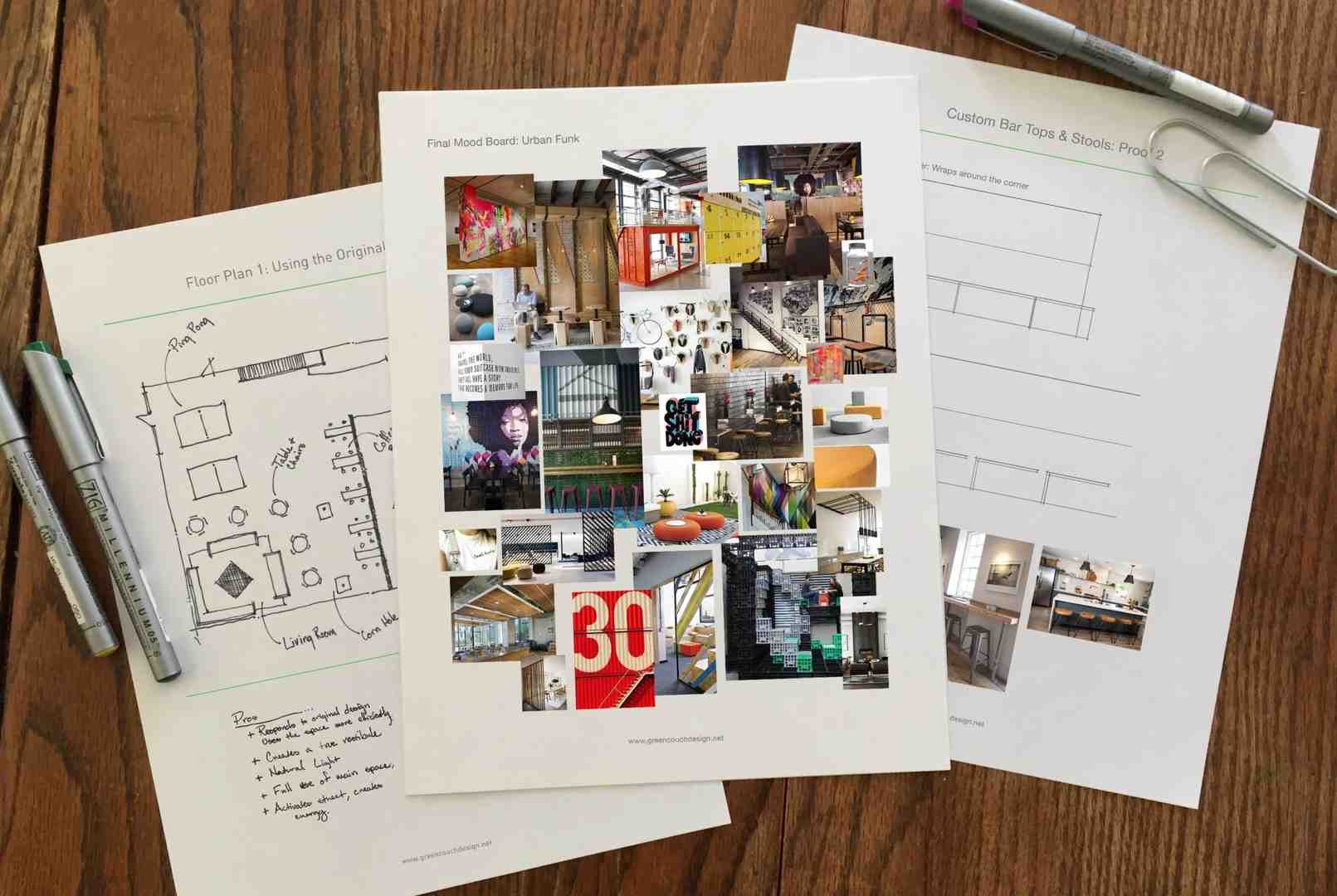
We often use design storyboards to communicate these ideas. Much like the 4-H "skill mastery sheets," we believe in reflection and intentionality. Every design decision should have a "why" behind it. You can explore how we balance these principles across various sectors in our Architecture Portfolio.
Frequently Asked Questions about Oklahoma Commercial Design
What are the penalties for unlicensed practice in Oklahoma?
The Board of Governors takes unlicensed practice seriously. Civil penalties for violating the State Architectural Act can reach up to $100 per day, with a maximum of $10,000 per violation. Additionally, the unlicensed individual or firm may be responsible for legal costs and board enforcement fees.
Which public buildings are exempt from the State Architectural Act?
Public works projects with a construction value threshold of less than $158,000 are generally exempt from the requirement to hire a licensed architect under the Act. however, local municipal codes may still require professional involvement for certain permits.
What is the scope of a Registered Commercial Interior Designer?
In Oklahoma, a Registered Commercial Interior Designer focuses on nonstructural interior construction. This includes projects where the building's "core and shell" (the structural walls, roof, and primary systems) remain unchanged. They can seal technical submissions for interior layouts, but they generally cannot seal plans for fire and life safety systems, which remain the purview of architects and engineers.
Conclusion
The commercial design process Oklahoma businesses face doesn't have to be overwhelming. At Green Couch Design, we pride ourselves on being more than just draftsmen; we are partners in your project’s legacy. With over 18 years of experience in Oklahoma City and Midwest City, we’ve refined a process that blends function, beauty, and purpose.
Whether you are looking to build a ground-up facility or remodel an existing space, we are here to provide the thoughtful, confident guidance your project deserves. We design spaces that work—built to last technically, emotionally, and for the community they serve.