Why the Feasibility Stage of a Project is Your Most Important Step
Defining the feasibility stage of a project
The feasibility stage of a project is the structured evaluation phase where you determine whether a project is worth pursuing before committing serious time, money, or resources. Here is a quick overview of where it fits in the project lifecycle:
| Phase | What Happens |
|---|---|
| 1. Concept / Idea | Project is proposed or identified |
| 2. Feasibility Stage | Viability is assessed across technical, financial, legal, operational, and scheduling dimensions |
| 3. Planning | Detailed project plan is developed based on feasibility findings |
| 4. Design & Development | Work begins on the approved project |
| 5. Execution | Project is built or implemented |
| 6. Closeout | Project is completed and reviewed |
The feasibility stage sits between the initial idea and full commitment. It is your clearest opportunity to ask the hard questions before the costs of getting it wrong become very real.
Most projects don't fail at execution. They fail because the right questions weren't asked early enough. A thorough feasibility assessment surfaces obstacles, stress-tests assumptions, and gives decision-makers the information they need to move forward with confidence — or to redirect resources toward something better.
Whether you're planning a commercial renovation, a new building, or a major operational change, skipping this stage is one of the most expensive risks you can take.
At its core, the feasibility stage of a project is an objective assessment of practicality. It isn't just a "gut check" or a hopeful pitch; it is a clinical look at the strengths and weaknesses of a proposed plan. We use this stage to identify the resources required, the potential for success, and the roadblocks that might stand in the way.
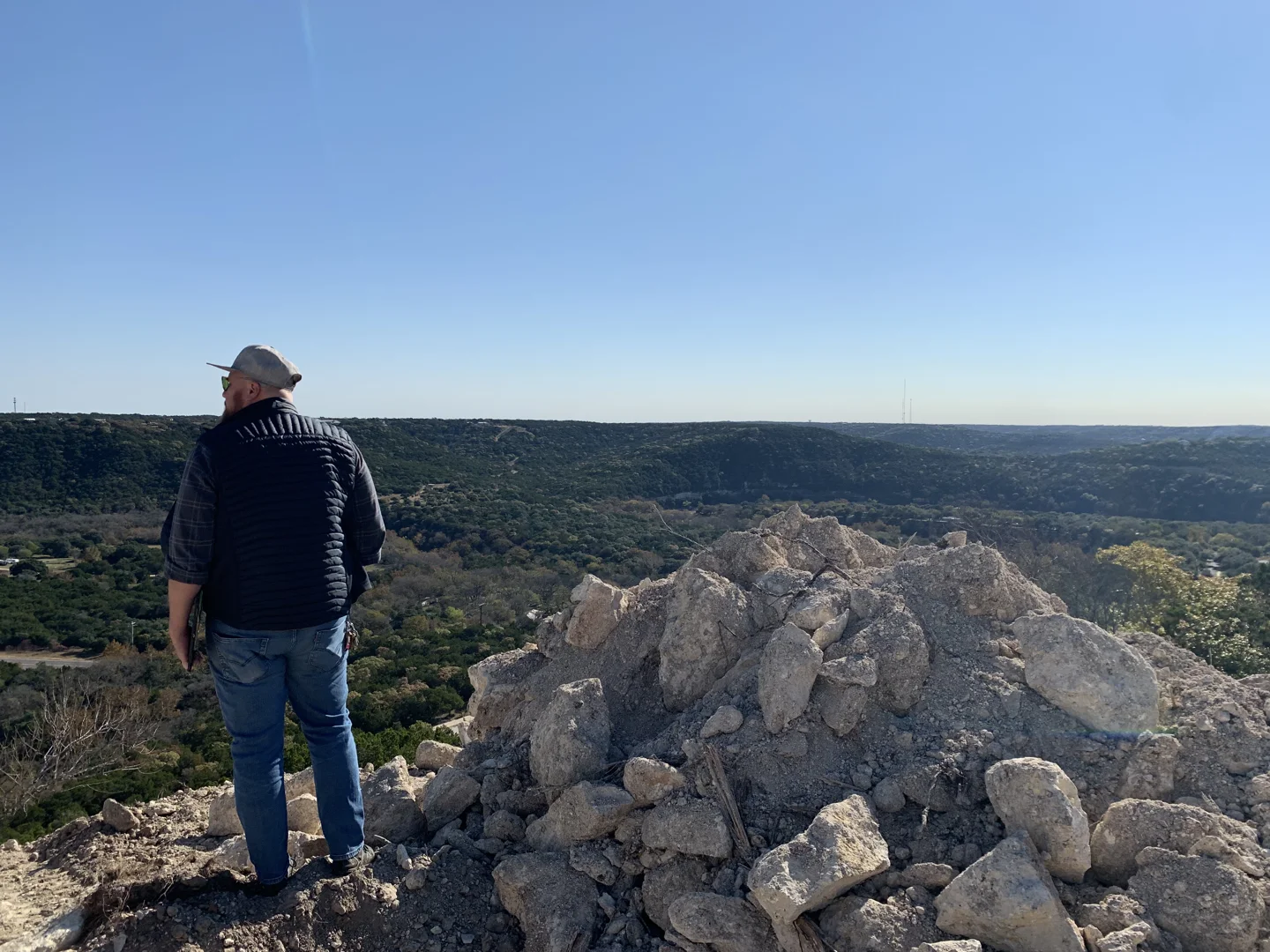
In architecture and development, this often starts with a technical site analysis. We look at the physical constraints of a property—topography, soil quality, and existing infrastructure—to see if the land can actually support what you want to build. This aligns with the Feasibility Assessment Framework (FAF), a systematic approach that ensures we aren't just looking at one piece of the puzzle, but evaluating the project’s viability as a whole.
Distinguishing Feasibility from the Business Case
It is easy to confuse a feasibility study with a business case or a project charter, but they serve different masters. A business case focuses on strategic alignment—it asks, "Should we do this to meet our company goals?" A feasibility study, however, focuses on tactical achievability—it asks, "Can we actually do this with the tools, time, and money we have?"
While the project charter officially authorizes the work to begin, the feasibility study provides the data that justifies that authorization. Think of the business case as the "why" and the feasibility study as the "how (and if)."
Why Timing Matters in the Project Lifecycle
Timing is everything. We conduct feasibility studies during the initiation phase, right after a project is pitched but before any major resource allocation occurs. If you wait until the design phase to check if a project is feasible, you’ve already spent money on drawings that might never be built.
For those navigating the commercial architecture process, this early checkpoint is vital. It allows us to pivot before the stakes are high, ensuring that every dollar spent in pre-planning is an investment in a viable future.
The Five Pillars of a Comprehensive Feasibility Study
To get a full picture of a project's health, we look through five specific lenses, often referred to by the acronym TELOS.
| Pillar | Focus Area | Key Question |
|---|---|---|
| Technical | Resources & Expertise | Do we have the technology and skills to build this? |
| Economic | Costs & Returns | Is the ROI worth the investment? |
| Legal | Regulations & Compliance | Does this meet all zoning and legal requirements? |
| Operational | Functionality | Will the finished project work for its intended users? |
| Scheduling | Timeline | Can we complete this within the required timeframe? |
Technical and Operational Viability
Technical feasibility assesses whether your team has the hardware, software, and labor expertise to pull off the design. In construction, this means evaluating if the proposed materials and engineering methods are realistic for the site. Operational feasibility goes a step further, asking how the project will function once it’s done. Will it serve the community? Does it fit the culture of the neighborhood? Understanding how construction feasibility studies guide building helps us ensure that the final product isn't just a building, but a functional asset.
Economic Metrics in the feasibility stage of a project
Money is often the loudest voice in the room. During the feasibility stage of a project, we use several capital budgeting metrics to determine financial health:
- Net Present Value (NPV): The value of future cash flows in today's dollars.
- Internal Rate of Return (IRR): The expected annual growth rate of the investment.
- Payback Period: How long it takes for the project to "pay for itself."
Whether you are deciding to add on or move on from an existing space, these numbers provide an unemotional baseline for decision-making.
Navigating Legal and Regulatory Constraints
In Oklahoma City, legal feasibility is often the most complex pillar. You must account for OKC-specific zoning laws, building codes, and environmental regulations. A project might be technically possible and financially sound, but if it doesn't meet local ordinances, it's a "no-go." We spend significant time navigating OKC commercial zoning and permitting to ensure our clients don't get blindsided by a city council denial or a code violation six months into the process.
Key Steps to Conduct a Feasibility Analysis
A good analysis is collaborative. It requires input from architects, engineers, financial analysts, and the stakeholders who will eventually use the space.
- Preliminary Analysis: We start by identifying obvious "deal-breakers." If the market demand isn't there or the site has insurmountable environmental issues, we stop here to save you money.
- Data Quality Check: We ensure the information we're using is current. We don't rely on five-year-old market reports; we look at today's labor costs and interest rates.
- Stakeholder Feedback: We talk to the people who matter. This includes everyone from the investors to the end-users.
Market Demand and Site Analysis
We look at who will use the building. This involves analyzing demographics, local competition, and absorption rates (how quickly space is leased or sold in the area). We often leverage U.S. Census Bureau Data to get a clear picture of the population growth in specific OKC neighborhoods. Conducting market research gives us the clearest picture of the revenues and return on investment you can realistically expect.
Developing the feasibility stage of a project Report
The culmination of this work is the Feasibility Study Report. This document should be professional, instructional, and clear. It typically includes:
- Executive Summary: A high-level "go/no-go" recommendation.
- Financial Projections: Detailed income statements and balance sheets.
- Technology Considerations: A summary of the technical requirements.
- Findings and Recommendations: A roadmap for the next steps.
Making the Go/No-Go Decision
The final goal of the feasibility stage of a project is a decision. This requires absolute objectivity. It is easy to fall in love with a design, but the data must lead the way.
Handling Risks and Vulnerabilities
Every project has "Points of Vulnerability" (POVs). These are internal risks we can control, such as staffing or budget management. External threats, like a sudden shift in the economy or a change in zoning laws, require robust mitigation strategies. We often discuss these risks with clients who are considering being their own general contractor, as managing these vulnerabilities requires a high level of expertise and time.
The Value of a Negative Result
One of the most valuable outcomes of a feasibility study is a "No." While it might feel like a failure, a negative result is actually a massive win for resource preservation. It prevents you from sinking millions of dollars into a project that was destined to struggle. It allows for strategic redirection—taking that same capital and applying it to an opportunity that is viable.
Frequently Asked Questions about Project Feasibility
Who should conduct the feasibility study?
While an internal team can handle preliminary checks, we recommend hiring external consultants or an experienced architecture firm for the full study. External experts provide an objective "third-party" view, free from the internal biases that can sometimes cloud the judgment of a project's original proponents.
How much does a feasibility study typically cost?
Typically, a feasibility study costs between 5% and 15% of the total project budget. For very large, complex industrial or public works projects, a high-quality, in-depth study can cost upwards of $100,000. However, for most residential and commercial projects in OKC, the cost is a small fraction of the total investment—and it's an investment that often pays for itself by preventing costly mistakes.
What happens if the study shows the project isn't viable?
You pivot. A "non-viable" result doesn't mean the idea was bad; it just means the current plan won't work under current conditions. You might adjust the scale, change the location, or wait for better market conditions. The goal is waste prevention.
Conclusion
At Green Couch Design, we believe that every building should be purposeful. We don't just design for aesthetics; we design for legacy. That legacy begins in the feasibility stage of a project. By being intentional and practical from the very first meeting, we help our clients build spaces that serve people, culture, and our Oklahoma City community for decades to come.
Whether you are looking at a boutique architecture project or a major commercial development, we are here to be your partner and guide.
View our architecture portfolio to see how we’ve turned feasible ideas into resilient, beautiful realities.