The Essential Guide to Exterior Wall Envelopes and Why They Matter
What Is Building Envelope Construction — and Why Does It Matter?
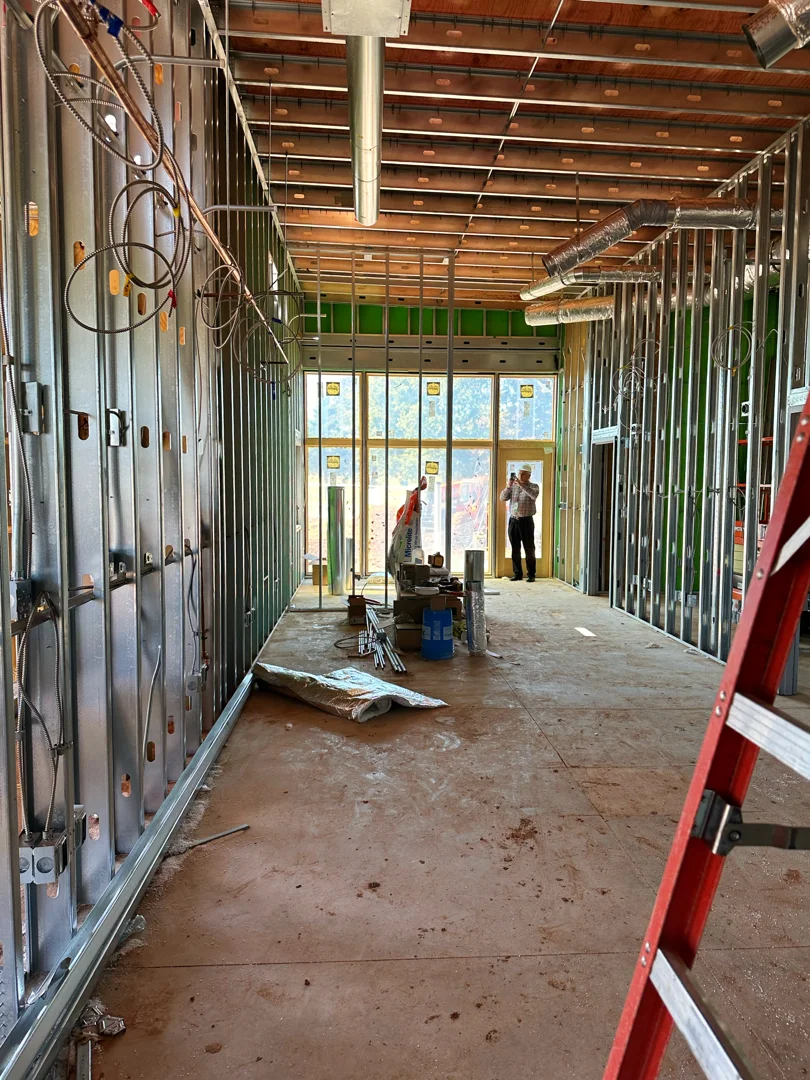
Building envelope construction is the process of designing and assembling the physical barrier that separates a building's interior from the outside environment. It includes the walls, roof, foundation, windows, doors, and all the layers in between that control heat, air, moisture, and sound.
Here is what a building envelope does:
- Protects the structure from weather, moisture, and temperature extremes
- Regulates indoor comfort by managing heat flow and air movement
- Reduces energy consumption by minimizing unnecessary heating and cooling
- Controls moisture to prevent mold, rot, and long-term structural damage
- Provides acoustic and fire protection for occupants
A well-built envelope is not just a shell. It is a system — and every layer depends on the others to perform.
The stakes are high. Research shows that improving building envelope performance is one of the most effective ways to reduce a building's thermal needs. And because buildings last for decades, the choices made during envelope construction have consequences that compound over time. A small gap in an air barrier or a missed thermal bridge does not just cause discomfort — it drives up energy costs year after year.
I'm Megan Lopp, Principal Designer at Green Couch Design, and my work in architecture has given me a front-row seat to how building envelope construction decisions shape the long-term performance, comfort, and resilience of a space. In this guide, we'll walk through every layer of the envelope — from control layers to material selection — so you can make informed, confident decisions for your project.
The Fundamentals of Building Envelope Construction
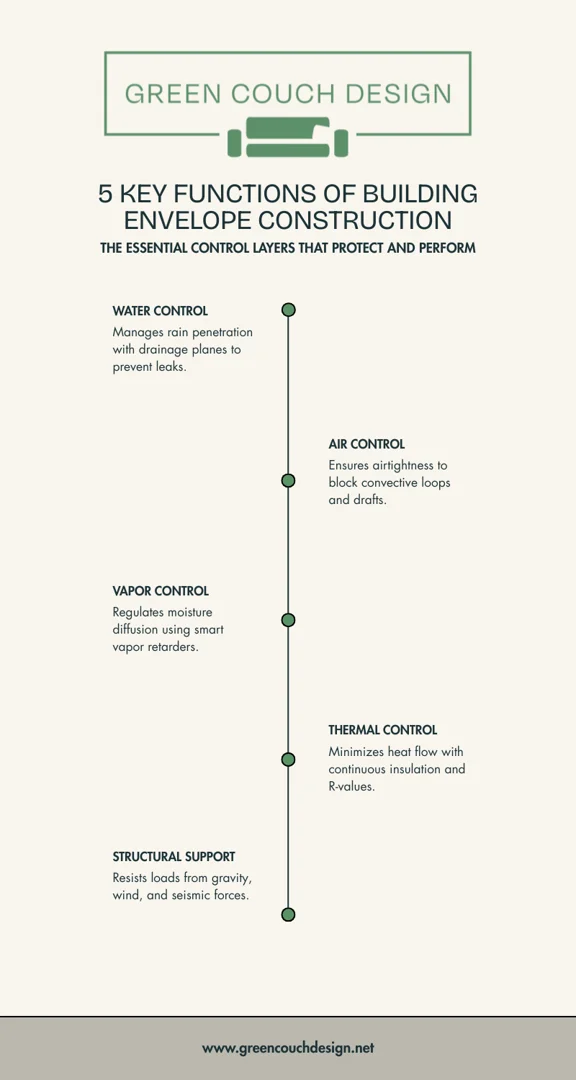
When we talk about building envelope construction, we are looking at a complex, three-dimensional assembly. In building science, we often categorize the functions of an envelope into three primary roles: Support, Control, and Finish.
- Support Functions: The envelope must resist and transfer structural loads. This includes gravity, wind, and even seismic forces.
- Control Functions: This is the "meat" of the envelope. It manages the flow of matter and energy, specifically rain, air, heat, and vapor.
- Finish Aesthetics: This is the visual face of the building, providing the aesthetic character that defines a project's place in the community.
We believe that every design decision should be purposeful. An envelope isn't just a wall; it’s an environmental separator. According to the The Building Enclosure: A Systematic Framework, the enclosure is the part of the building that physically separates the interior environment from the exterior. This separation is vital because the exterior microclimate in Oklahoma can be harsh, with rapid temperature swings and high humidity.
Water and Air Barriers in Building Envelope Construction
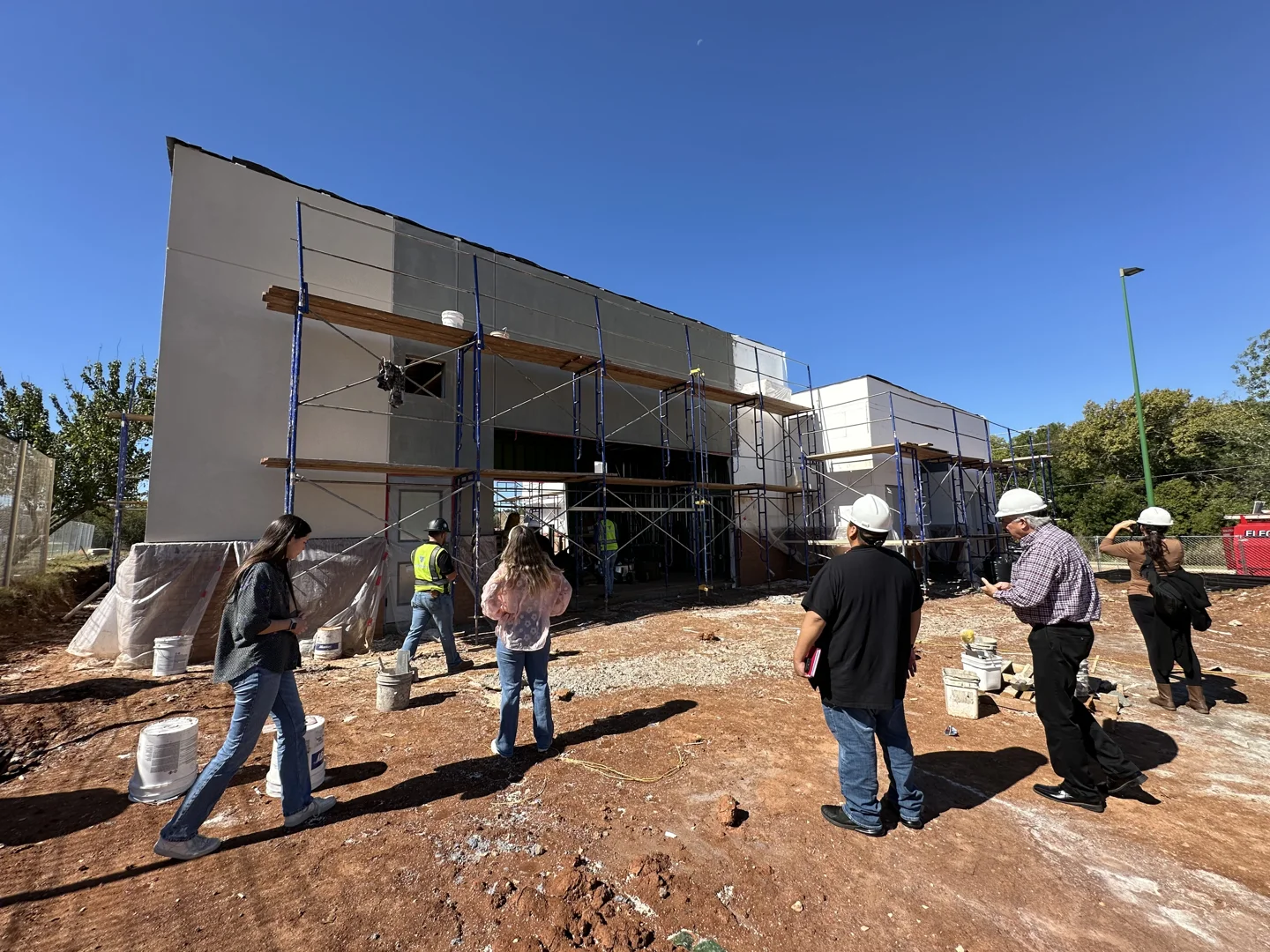
If you ask a building scientist what the most important job of an envelope is, they will tell you: stop the rain. Water intrusion is the leading cause of structural failure and mold. In building envelope construction, we use drainage planes and water-resistive barriers to shed water away from the structure.
However, air control is just as critical. Air leakage isn't just a draft; it carries moisture and heat. Research indicates that convective loops—air moving in circles within wall cavities—can result in 10% to 20% of a building's heat loss. To combat this, we design continuous air barrier systems that wrap from the foundation slab all the way to the roof peak.
To verify our work, we often utilize blower door tests. This involves depressurizing a building to find exactly where air is escaping. As we discuss in our post on What is a Building Envelope?, maintaining an airtight seal is essential for indoor air quality and energy efficiency.
Thermal and Vapor Control for Longevity
The thermal layer—your insulation—is what keeps the heat in during an Oklahoma winter and out during our triple-digit summers. But insulation only works if it is continuous. Thermal bridging occurs when highly conductive materials, like steel or wood studs, create a "bridge" for heat to bypass the insulation.
One of our favorite strategies is placing rigid insulation entirely outside the framing. This provides a thermal break that significantly increases the effective R-value of the wall.
Vapor control is the final, often misunderstood piece. In Oklahoma’s mixed climate, we have to be careful. Vapor retarders should be chosen based on the building’s specific needs to permit drying. If a wall gets wet—and eventually, most do—it must have the ability to dry either to the inside or the outside. Using "smart" vapor retarders that change permeability based on humidity can prevent moisture from becoming trapped and causing rot.
Material Selection and Climate Adaptation
Choosing the right materials for building envelope construction requires a deep understanding of the local climate. In Oklahoma City and Midwest City, we deal with high UV exposure, intense wind speeds, and varying precipitation levels.
When we select materials, we look at several factors:
- Durability: How long will it last? Brick can last over 100 years, while vinyl siding may only last 20-40.
- Thermal Mass: Materials like concrete or masonry can store heat, slowing down temperature changes inside the building.
- Compatibility: Sealants and membranes must be chemically compatible to ensure they don't degrade each other over time.
For metal systems, we often refer to industry standards like the MCRMA Technical Paper No. 6: Profiled metal roofing design guide to ensure the systems are designed for weathertightness and structural integrity.
Metal Cladding Systems in Building Envelope Construction
Metal cladding has come a long way from its agricultural roots. Today, it is a highly developed system used in sophisticated commercial and industrial projects. There are several types we frequently consider:
- Trapezoidal Sheeting: Cost-effective and durable, often used for large-scale buildings.
- Standing Seam: Excellent for low-pitch roofs, providing superior weathertightness because the fasteners are hidden.
- Composite (Sandwich) Panels: These feature insulation (like PIR foam) bonded between two metal skins, providing structural strength and thermal performance in one unit.
- Transpired Solar Collectors: Systems like SolarWall® can actually capture solar energy to preheat ventilation air, which is a fantastic way to boost efficiency.
We put these principles into practice during the Cornerstone Church Exterior Renovation. By selecting durable, high-performance cladding, we were able to breathe new life into the structure while ensuring it would stand up to the elements for decades to come.
Performance Metrics: Energy, Acoustics, and Fire Safety
A high-performing envelope is measured by more than just its looks. We look at specific data points to ensure the building performs as intended.
- U-values: This measures the rate of heat transfer. For walls, a typical limiting U-value is 0.26 W/m²K. The lower the number, the better the insulation.
- Acoustics: The envelope is your shield against city noise. A built-up rock wool system can provide a sound reduction of up to 47 dB, whereas a simple composite panel might only offer 25 dB. You can dive deeper into this in the Acoustic performance of pre-finished steel cladding systems guide.
- Fire Safety: The envelope must prevent the spread of fire. In boundary conditions, we use specific detailing—like slotted holes with melting washers—to allow for thermal expansion during a fire without compromising the structure.
During inspections, we use tools like thermal imaging to see "invisible" heat loss and smoke pencils to detect tiny air gaps.
Achieving Net-Zero Energy (NZE) Milestones
The global push toward Net-Zero Energy (NZE) is changing how we approach building envelope construction. To align with NZE scenarios, the energy intensity of space heating needs to fall by 35% by 2030.
One of the most visible changes over the last few decades is the sheer thickness of our walls.
| Year | Average Insulation Thickness |
|---|---|
| 1980s | ~80mm |
| 2018 | ~300mm |
This increase in thickness, combined with high-performance glazing and airtight construction, allows us to create buildings that require very little energy to stay comfortable. Our work on the Pawnee Nation IHS Drive-Thru Ground Up is a great example of how purposeful design can serve both the occupants and the environment. By prioritizing the envelope, we create spaces that are resilient and cost-effective to operate.
Best Practices for Installation and Maintenance
Even the best-designed envelope will fail if it isn't installed correctly. We emphasize a "belt and suspenders" approach to weathertightness.
- Sealant Integrity: Sealants account for only about 1% of construction costs, but their failure accounts for a massive percentage of moisture damage. It is vital to use high-quality, compatible sealants.
- Fastener Selection: Using the wrong fasteners can lead to leaks and corrosion. We follow guides like MCRMA Technical Paper No 12 to ensure every screw and bolt is fit for the environment.
- Flashing Details: Proper flashing at windows, doors, and roof-to-wall junctions is non-negotiable. We always say: "If you drill a hole, you seal the hole."
In our Pawnee Courthouse Renovation, maintenance and periodic inspections were key themes. A building envelope is a living system that needs to be checked for wear, especially after extreme weather events.
Frequently Asked Questions about Building Envelopes
What is the difference between a building envelope and a thermal envelope?
The building envelope is the entire physical separator (including the siding and structural elements). The thermal envelope specifically refers to the layers that control heat flow—the insulation and air barriers. Sometimes they are the same, but in a house with an unconditioned attic, the thermal envelope might be the attic floor, while the building envelope includes the roof.
How do sealants impact the overall construction cost?
While sealants are roughly 1% of the initial construction budget, the cost of repairing water damage from a sealant failure can be many times the original installation cost. Investing in high-quality sealants and expert application is a smart financial move.
Can an existing building be retrofitted for better envelope performance?
Absolutely. Retrofitting often involves adding exterior insulation, replacing old windows with high-performance glazing, and performing "air sealing" in attics and crawlspaces. This is one of the best ways to lower utility bills in older Oklahoma homes and offices.
Conclusion
At Green Couch Design, we don't just draw buildings; in partnerships with our consultants and contractors we design systems that are built to last. Building envelope construction is where function meets beauty, and where a building's legacy is truly formed. Whether we are working on a commercial renovation or a purposeful residential project, we remain intentional about every layer we specify.
If you are ready to design a space that is as resilient as it is beautiful, we invite you to learn more info about our building envelope expertise. Let’s design something that serves your community and stands the test of time.