A Comprehensive Guide to Commercial Project Timelines
What Is a Commercial Project Timeline — and Why It Matters
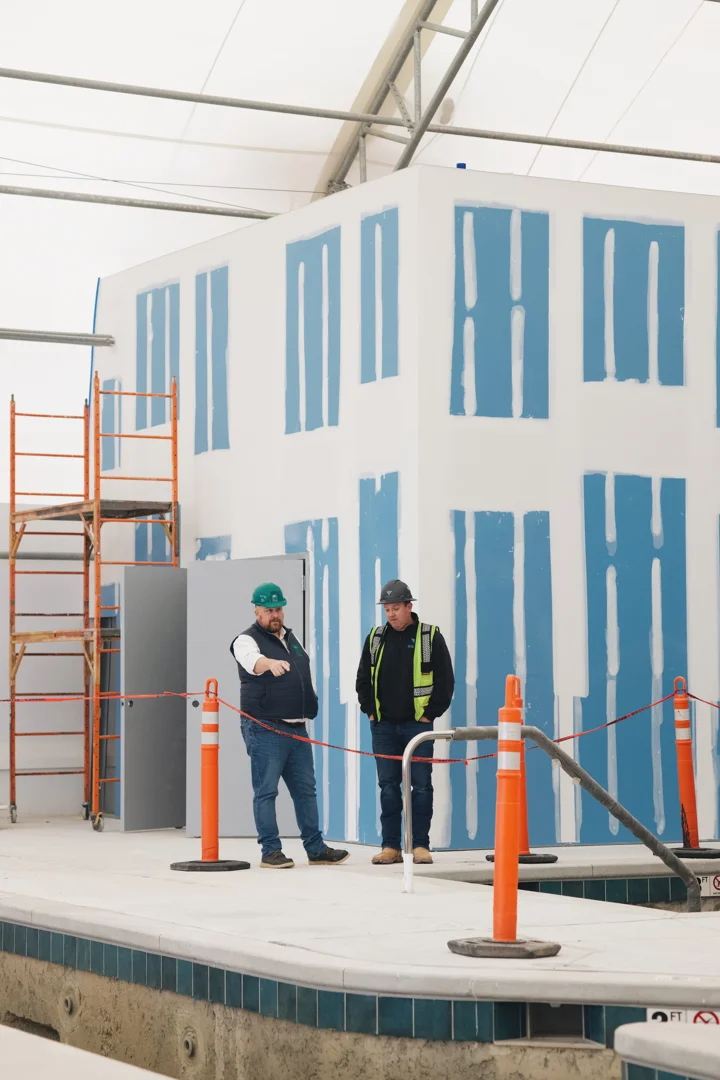
A commercial project timeline is the structured schedule that takes a building from initial concept to occupancy — and understanding it is the single most important step before signing a lease, breaking ground, or announcing an opening date.
Here is what most commercial projects look like, from start to finish:
| Phase | Typical Duration |
|---|---|
| Pre-Construction (design, planning, feasibility) | 3–6 months |
| Permitting & Approvals | 6–20 weeks |
| Site Work & Foundations | 1–2 months |
| Structural Framework | 2–5 months |
| Interior Build-Out & Finishes | 2–4 months |
| Final Closeout & Inspections | 4–8 weeks |
| Total (most mid-sized projects) | 12–18 months |
Smaller tenant improvements can wrap up in 3–6 months. Large-scale or complex developments often run 24 months or more. The variables — permitting, weather, supply chain, decision speed — are real, and they compound fast when not managed early.
Most delays do not happen on the job site. They happen before a single shovel hits the ground.
That is why this guide exists. Whether you are planning a first build-out or navigating a major renovation, understanding the full arc of a commercial project timeline helps you make smarter decisions, protect your budget, and avoid the kind of surprises that push move-in dates back by months.
At Green Couch Design, our team believes a clear, purposeful commercial project timeline is one of the most important parts of a successful project. With years of experience shaping commercial spaces, we have seen that the smoothest projects usually start with clients who understand the process, key milestones, and decisions before work begins.
The Core Phases of a Commercial Project Timeline
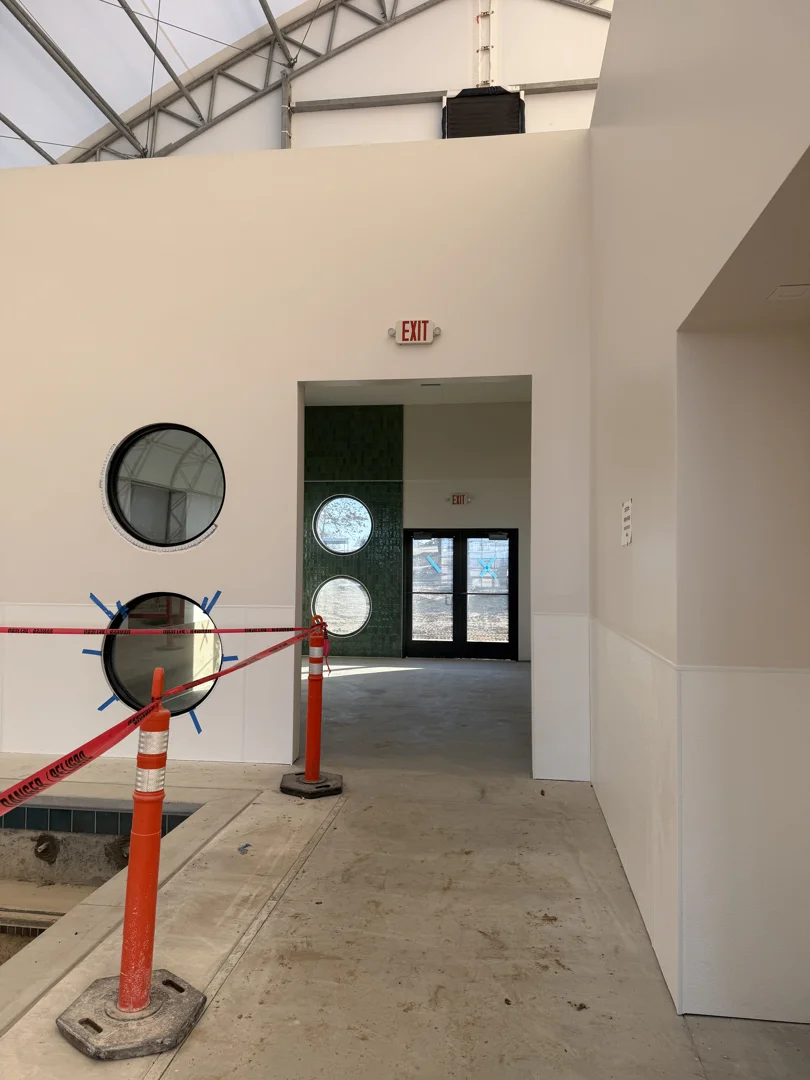
A successful commercial project moves through a clear sequence. It is natural to want to see visible construction right away, but skipping early steps often creates delays, added cost, and avoidable rework later. Our Commercial Architecture Process Complete Guide walks through each phase so every milestone is planned with purpose.
On average, modern commercial projects take 12–18 months from the first consultation to final occupancy. This duration accounts for the complex web of regulations, safety protocols, and trade coordination required in today’s market. We track milestones meticulously because a delay in month two of design can create a three-week bottleneck in month ten of construction.
Comparison of Project Durations by Scale
| Project Size | Type | Estimated Total Timeline |
|---|---|---|
| Small | Tenant Improvement (5k–10k sq ft) | 3–6 months |
| Mid-Sized | Office or Retail (10k–50k sq ft) | 9–15 months |
| Large | New Ground-Up Development | 12–24+ months |
Pre-Construction: The Foundation of Success
The pre-construction phase is often the most underestimated part of the commercial project timeline, typically spanning 3–6 months. This is where we determine if a project is even viable through the Feasibility Stage of a Project.
During this window, we move through the Commercial Design Process Oklahoma style—accounting for local soil conditions and Oklahoma City’s specific architectural requirements. This phase includes:
- Schematic Design (2–6 weeks): Defining the "what" and "where" of the building.
- Design Development (8–16 weeks): Finalizing technical details and engineering assessments.
- Blueprint Generation (4–6 weeks): Creating the precise documents needed for bids and permits.
- Budget Alignment: Ensuring the design matches the financial reality before the first contract is signed.
Investing time here prevents the "change order" culture that plagues poorly planned projects. When we align resources early, the construction phase becomes an exercise in execution rather than an exercise in problem-solving.
Navigating the Commercial Project Timeline for Construction
Once the permits are in hand, the physical work begins. This is the most visible part of the commercial project timeline, but it relies entirely on the quality of the planning that preceded it.
- Site Work & Foundations (Months 1–2): This involves grading, excavation, and pouring the slab. In Oklahoma, we pay close attention to drainage and soil stability during this window.
- Structural Framework (Months 3–5): The "bones" of the building go up. For steel-frame buildings, this typically takes 4–6 weeks of active erection.
- Building Envelope (Months 6–8): This is a critical milestone. Closing in the building with roofing and exterior walls allows interior trades to work regardless of the weather.
- Interior Systems & MEP Rough-ins: Plumbers, electricians, and HVAC technicians install the "guts" of the building. This is often the most crowded phase of the site.
- Finishing Touches: Drywall, paint, flooring, and cabinetry.
A great example of this phased execution is the Catalyst Youth Facility. By maintaining a strict schedule for the building envelope, the interior finishes could proceed without risk of water damage, keeping the project on its legacy-driven track.
Final Closeout and Handover
The final 4–8 weeks of a project are often the most frantic but require the most discipline. This phase includes system commissioning (making sure the HVAC actually talks to the thermostat) and the dreaded "punch list"—a final accounting of every minor paint scuff or loose trim piece.
During our work on the Pawnee Courthouse Renovation, closeout was vital for preserving the historical integrity of the space while ensuring modern systems were fully operational. We don't just hand over the keys; we provide maintenance guidance and clearly defined warranty periods so you know how to care for your investment. The project concludes only when the city issues the Certificate of Occupancy (CO), legally allowing you to open your doors.
Factors and Variables Influencing the Schedule
No commercial project timeline exists in a vacuum. External factors can and will attempt to derail your schedule. Proactive risk mitigation means identifying these "schedule killers" before they strike.
- Supply Chain Disruptions: Long-lead items like electrical switchgear or specialized HVAC units can now take 6–12 months to arrive. We identify these during design and order them months before they are needed on-site.
- Labor Availability: Skilled trades are in high demand. We work with established partners to ensure our projects are prioritized.
- Change Orders: A "minor" change to a wall location in month eight can ripple through the electrical, plumbing, and flooring schedules, adding weeks of delay. We aim to finalize all design decisions in the pre-construction phase to protect your move-in date.
Permitting and Regulatory Approvals
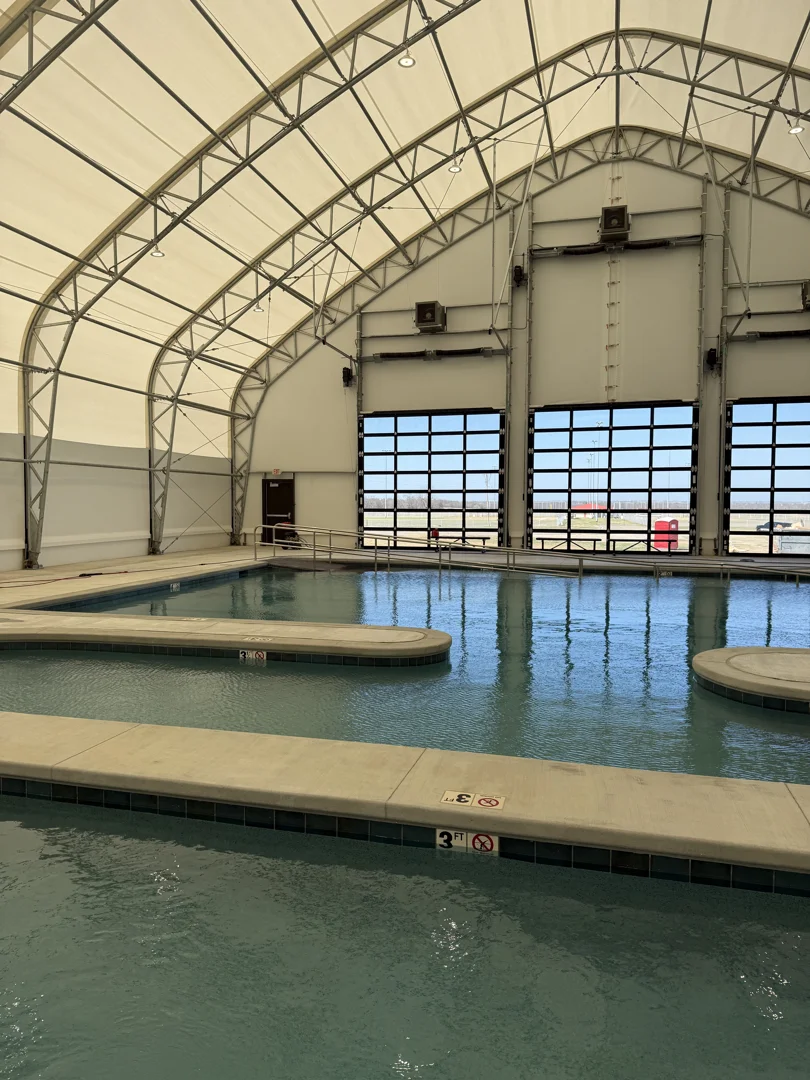
In our experience, permitting is the most unpredictable variable in the commercial project timeline. While a standard permit in Midwest City might take 4–8 weeks, complex developments involving zoning variances can take 20 weeks or more.
Navigating OKC Commercial Zoning & Permitting is easier when your team understands local review processes, code requirements, and approval timelines. Early coordination helps reduce revision cycles and keeps decisions moving. If your project needs a zoning variance, special approval, or environmental review, it is smart to build that extra time into the schedule from the start.
External Variables in the Commercial Project Timeline
Oklahoma weather is a factor that cannot be ignored. We use historical climate data to plan "dirt work" during drier months and aim to have the building "dried in" before the peak of storm season or winter freezes.
Other surprises include:
- Geotechnical Issues: Poor soil quality or hidden rock can add weeks to foundation work.
- Utility Coordination: Waiting on the city or utility company to bring power to the site is a common bottleneck.
- Site Access: Urban sites with tight footprints require complex delivery schedules for materials.
Our work on the Cornerstone Church Exterior Renovation highlights the importance of managing exterior work around seasonal constraints to ensure the building remains protected throughout the process.
Realistic Timelines by Project Type and Scale
Not all buildings are created equal. A warehouse is a shell with basic systems; a medical clinic is a high-tech environment with life-safety requirements.
- Small Tenant Improvements (3–6 months): These are often "refresh" projects or simple build-outs within an existing shell.
- Mid-size Office/Retail (9–15 months): Projects between 10,000 and 50,000 square feet usually involve more complex MEP systems and higher-end finishes.
- Large-scale Developments (12–24+ months): Multi-story buildings or campus-style developments require extensive site work and structural time.
- Warehouse and Industrial (6–12 months): While large in scale, these often move faster due to repetitive structural elements and simpler interior finishes.
You can explore various scales of work in our Commercial Portfolio to see how these timelines translated into real-world results.
Strategies to Protect and Accelerate Your Schedule
Waiting until construction starts to manage the schedule is a recipe for failure. We use several strategies to keep projects moving:
- Early Contractor Engagement: Bringing a builder into the design phase allows for "constructability reviews"—finding out a design is too hard to build before the blueprints are finished.
- Value Engineering: We look for material alternatives that offer the same function and beauty but are available on a shorter lead time.
- 10–15% Time Contingency: We always recommend building a "buffer" into your business planning. If you must open by September 1st, your project should be scheduled to finish by August 1st.
- Critical Path Monitoring: We identify the tasks that cannot be delayed (like the foundation) and prioritize resources there, even if it means moving slower on non-critical tasks like interior painting.
For more deep dives into these strategies, visit our Commercial Blog Category.
Frequently Asked Questions about Commercial Timelines
How long does the pre-construction phase usually take?
Typically, you should budget 3–6 months. This includes 2–3 months for architectural and engineering design and 1–3 months for permitting and contractor bidding. Rushing this phase is the leading cause of budget overruns later.
What are the most common causes of construction delays?
The "big three" are permit delays, material lead times, and client-initiated change orders. Weather is a close fourth, but a good schedule accounts for typical seasonal rain or snow.
How does project location affect the overall timeline?
Location dictates everything from soil stability to the speed of the local permitting office. Urban projects often take longer due to traffic coordination and stricter zoning, while rural projects may face delays in getting utilities (water, power, fiber) to the site.
Conclusion
At Green Couch Design, we believe a commercial project timeline should be a tool for clarity, not a source of stress. We design spaces that work — beautiful, functional, and built to last. By treating the timeline as a collaborative roadmap, we ensure that your project serves your people, your culture, and your community for decades to come.
If you are ready to begin a purposeful, legacy-driven project in Oklahoma, we are here to be your partner. Let’s build something intentional together. Explore our approach to OKC Commercial Architecture and see how we can bring your project to life on a schedule you can trust.