7 Common Mistakes in Commercial Development
Why Mistakes in Commercial Development Cost More Than You Think
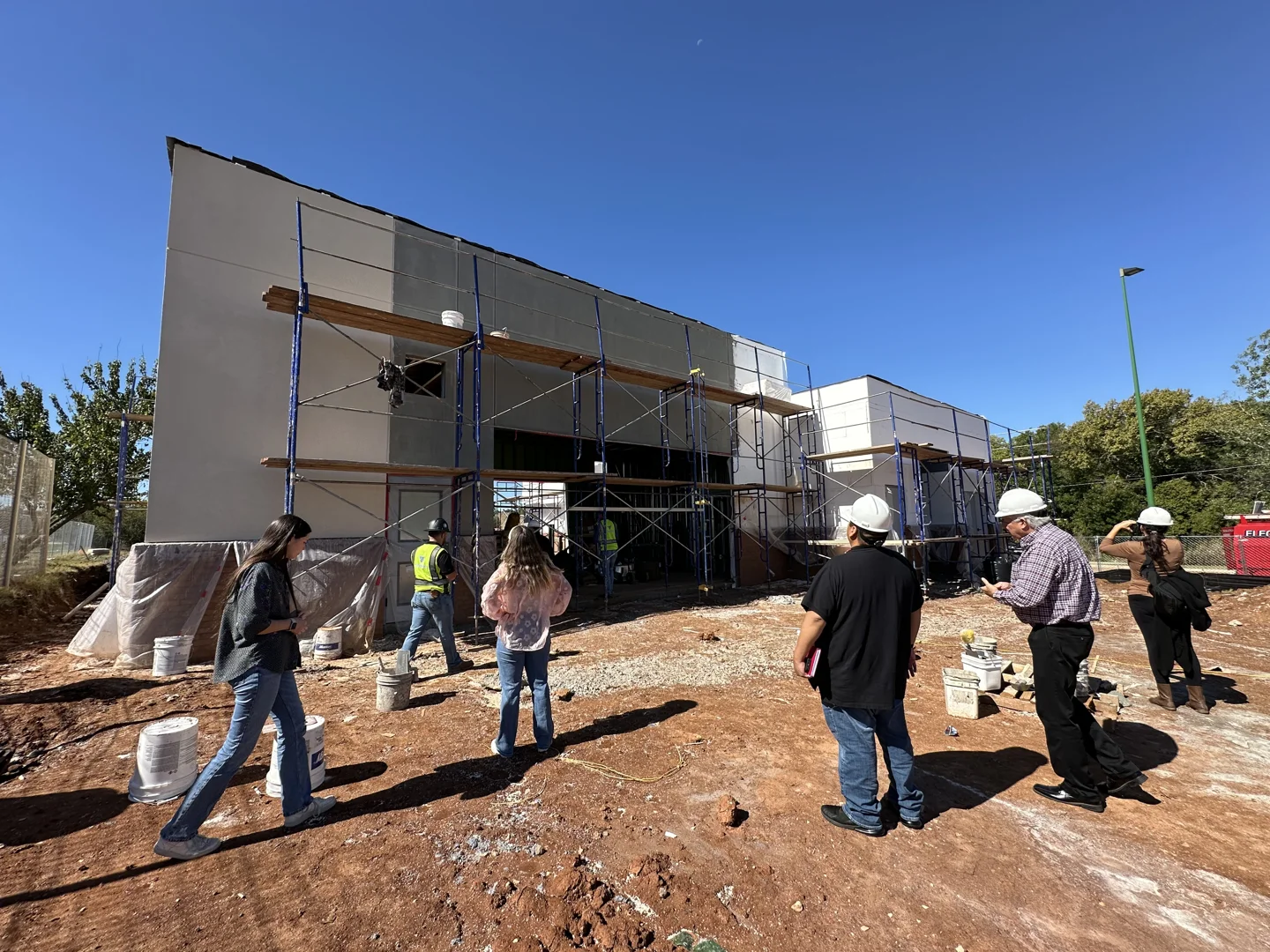
Mistakes in commercial development are more common — and more costly — than most owners expect when they start a project.
Here are the most common ones:
- Skipping market research and feasibility studies before committing to a site or concept
- Underestimating the true project cost, including permits, contingencies, and hidden fees
- Neglecting site assessment — soil quality, drainage, zoning, and utility easements
- Choosing contractors based on the lowest bid rather than experience and track record
- Failing to plan for scalability and energy efficiency from the start
- Poor communication and supervision across stakeholders throughout the project
- Ignoring long-term maintenance and operational costs in the initial budget
Any one of these can derail a project. Together, they can turn a promising investment into a prolonged, expensive problem.
Commercial development is complex. The decisions you make in the early stages — site selection, budgeting, design, contractor vetting — ripple through every phase that follows. There is rarely a clean fix once a foundational mistake is made. The goal is to avoid them before they happen.
At Green Couch Design, our team brings decades of combined experience in commercial architecture, and we have seen how mistakes in commercial development often come back to gaps in planning, communication, or choosing the wrong team. The sections below break down each mistake clearly - and what to do instead.
1. Skipping Comprehensive Market Research and Feasibility
One of the most common mistakes in commercial development is confusing a promising concept with a proven opportunity. A project may sound strong on paper, but without solid market research and feasibility work, it is still a guess. Demand, location, tenant fit, and long-term performance all need to be tested before design and construction begin. In growing markets, some commercial centers succeed while others struggle with vacancies, which is why early analysis matters so much.
Market research isn't just about checking if people like your product. It’s about understanding consumer behavior, local demographics, and competitive density. If you build a high-end medical office in an area where the population is shrinking or the median income doesn't support the services, the most beautiful design in the world won't save the investment.
A thorough feasibility study should be your first step. This study evaluates whether the project is physically, legally, and financially possible. In our Commercial Architecture Process Complete Guide, we emphasize that this phase uncovers potential deal-breakers—like inadequate parking ratios or restrictive local covenants—before you’ve spent millions.
2. Underestimating the True Cost of Mistakes in Commercial Development
Many developers fall into the trap of "optimistic budgeting." They look at the "hard costs" of sticks and bricks but forget the "soft costs" like architectural fees, legal reviews, and municipal impact fees. According to industry data, 51 percent of small business owners do not use budgets or forecasts, which leads to catastrophic cash flow issues mid-construction.
In Commercial Construction, the "sticker price" is rarely the final price. We recommend a 10-20% contingency fund to account for material price fluctuations, labor shortages, or site discoveries. If your budget is $1 million, you should plan as if you have $800,000 to $900,000 for the knowns, keeping the rest in reserve.
Financial mistakes in commercial development and over-leveraging
Over-leveraging is a specific type of financial error where a developer takes on too much debt, leaving no room for error. If a tenant lease falls through or a permit takes three months longer than expected, the interest payments can eat the project alive.
| Expense Category | Estimated Cost (%) | Actual Cost with "Surprises" (%) |
|---|---|---|
| Hard Construction | 70% | 75-80% (Material spikes) |
| Soft Costs (Permits/Design) | 15% | 18-20% (Code revisions) |
| Contingency | 5% | 10-20% (The "Unknowns") |
| Financing/Interest | 10% | 12-15% (Timeline delays) |
3. Poor Site Assessment and Zoning Neglect
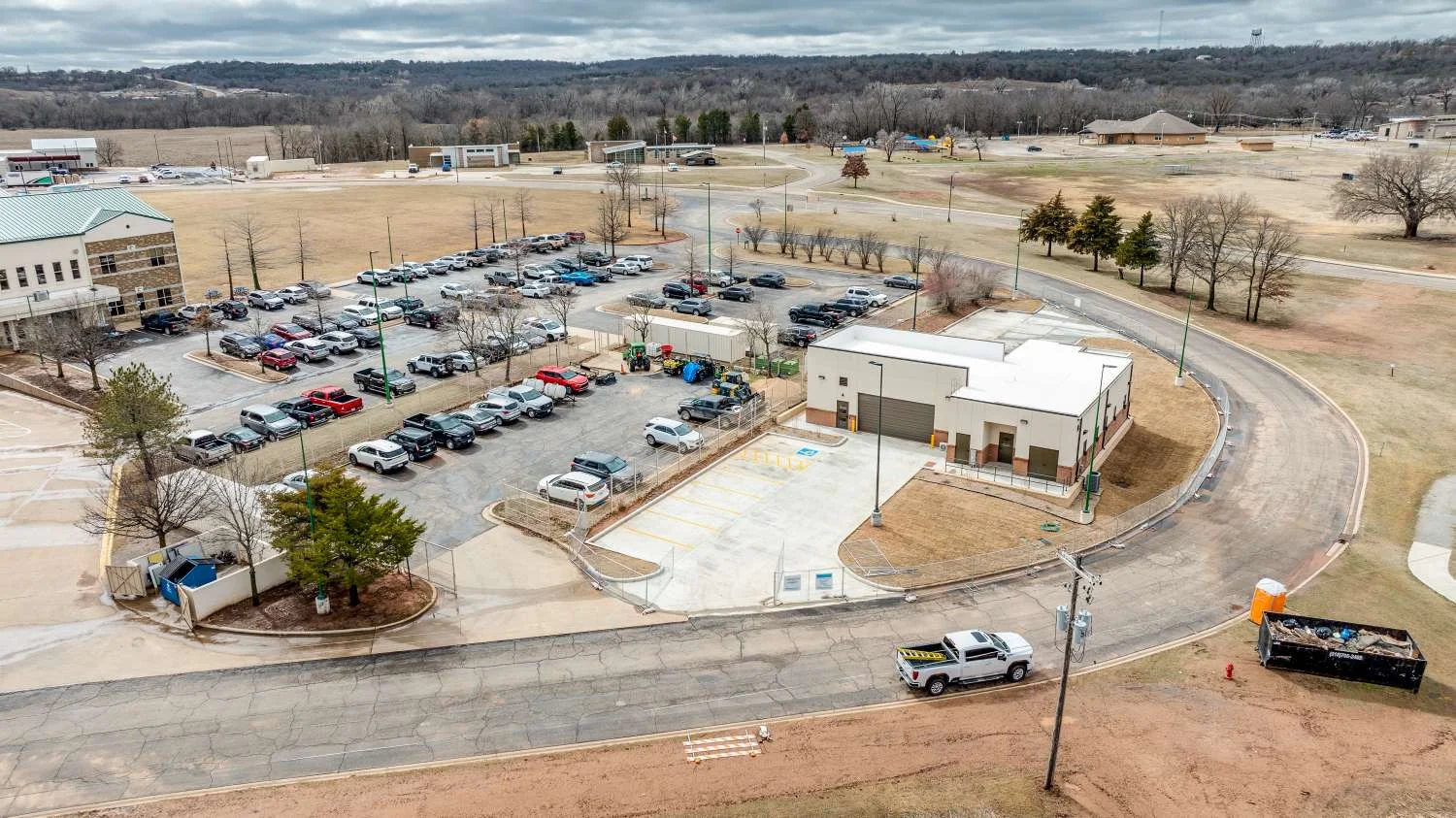
You can change a building’s layout, but you can't easily change the dirt it sits on. Neglecting a professional site assessment is one of those mistakes in commercial development that leads to "money pits." Issues like poor soil load-bearing capacity, hidden underground storage tanks, or high water tables can add six figures to your foundation costs instantly.
Zoning is just as important. In Oklahoma City, each district has its own rules, and missing one detail can delay a project fast. We've seen developments stall when owners assumed a use was allowed, only to learn they needed a Special Exception or variance. Learn more in this guide to OKC commercial zoning and permitting.
For example, as reported in Oklahoma City residents voice concerns over development project, community pushback often happens when a project overlooks issues like traffic, access, noise, or neighborhood fit. If you ignore the people affected by the development, zoning approval can become much harder before construction even begins.
Site-specific mistakes in commercial development and permitting
Permitting isn't just a hurdle; it’s a roadmap. Skipping due diligence on utility easements or ADA (Americans with Disabilities Act) compliance can lead to forced teardowns or expensive retrofits.
4. Prioritizing Low Bids Over Quality and Experience
It is tempting to choose the contractor who provides the lowest bid. However, in OKC Commercial Architecture, the "cheapest" contractor often ends up being the most expensive. Low bids are frequently the result of missing scope items, a lack of insurance, or a plan to make up the difference through aggressive change orders later.
Quality materials and experienced labor are investments in the building’s legacy. Using subpar roofing or HVAC systems might save $50,000 today, but it will cost $200,000 in repairs and lost tenant productivity over the next decade. We advocate for vetting contractors based on their portfolio of similar work, their safety record, and their communication style—not just their bottom line.
5. Failing to Plan for Scalability and Energy Efficiency
A building that only works for today is a building that will be obsolete tomorrow. One of the most common mistakes in commercial development is "static design"—creating a space so rigid it cannot adapt to new technology or business growth.
Future-proofing involves:
- Modular Layouts: Using non-load-bearing interior walls that can be moved as tenant needs change.
- Energy Efficiency: Investing in high-performance HVAC and LED lighting. While these have a slightly higher upfront cost, they drastically reduce operational overhead.
- Technology Infrastructure: Ensuring there is ample conduit for future fiber optics or EV charging stations.
In healthcare, for example, failing to plan for patient flow and future equipment can be devastating. We discuss this in Why Your Medical Office Design is Costing You Patients. Whether we are working on Healthcare Architecture or a retail strip, we design with the "next ten years" in mind, not just the next ten months.
6. Inadequate Stakeholder Communication and Supervision
Commercial projects involve a small army: architects, engineers, contractors, lenders, and city officials. When communication breaks down, the project breaks down. Poor supervision leads to safety hazards, missed deadlines, and work that doesn't meet the design specifications.
We believe the Commercial Design Process in Oklahoma should be a collaborative partnership. Regular site visits and stakeholder meetings ensure that everyone is working from the same set of expectations.
Frequently Asked Questions about Commercial Development
How much contingency should I include in my commercial budget?
You should include a 10-20% contingency fund. This is not "extra" money; it is a necessary buffer for unexpected costs like material price fluctuations, site issues (like hitting rock during excavation), and permit fee changes. Projects without this buffer often stall when the first surprise arrives.
Why is the due diligence period so critical for land acquisition?
The due diligence period—typically 6-8 weeks—is your window to verify that the land is actually buildable for your specific purpose. During this time, you conduct soil tests, environmental assessments, and utility checks. It’s the time to discover if the "cheap" land requires $500,000 in infrastructure improvements to make it viable.
How does poor design impact long-term operational costs?
Poor design leads to "energy leaks," high maintenance requirements, and low tenant retention. If a building is difficult to navigate or expensive to heat and cool, tenants will leave for more efficient spaces. Purposeful design minimizes these costs by selecting durable materials and optimizing the building's orientation and systems.
Conclusion
Avoiding mistakes in commercial development requires a shift in perspective. It’s about moving away from "how fast can we build" toward "how well can we plan." At Green Couch Design, we don't just draw plans; we act as partners in your project's longevity.
From historical preservation like the Pawnee Courthouse Renovation to modern office spaces, our goal is to create architecture that serves people and stands the test of time. You can view our diverse work in our Commercial Portfolio.
If you are ready to build a legacy in Oklahoma City without the common pitfalls, let’s talk. Start Your OKC Commercial Architecture Project with a team that values purpose, function, and clear communication above all else.