Why Smart Developers Invest in Long-Term Commercial Assets
Why Smart Developers Are Investing in Long-Term Commercial Assets — And Why It Matters in 2026
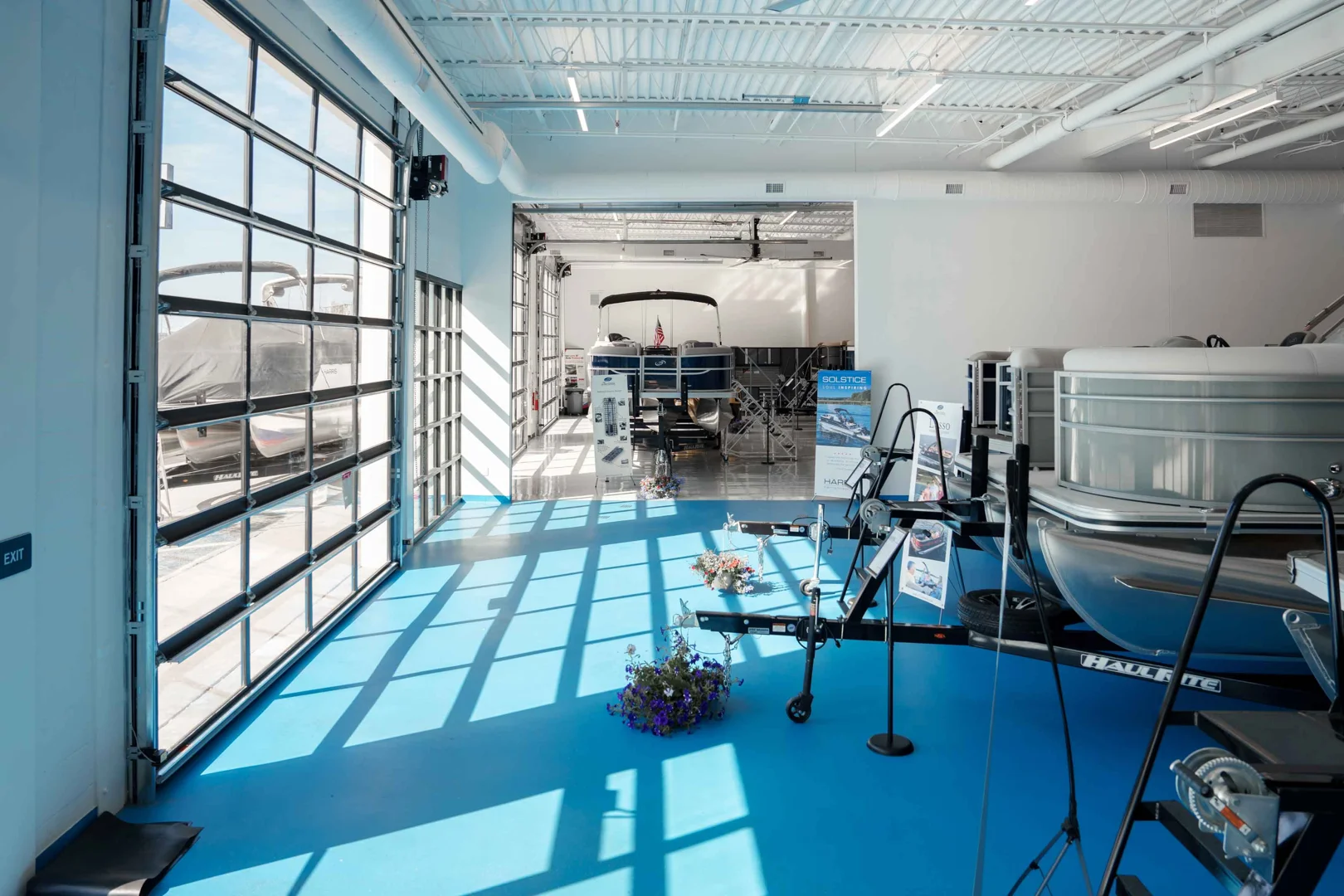
Why smart developers are investing in long-term commercial assets comes down to a straightforward financial reality: commercial properties deliver stronger, more stable returns than almost any other asset class available today.
Here is a quick summary:
- Higher yields — Commercial properties generate rental yields of 6% to 12%, compared to just 2% to 4% for residential
- Stable income — Long-term leases with corporate tenants reduce vacancy risk significantly
- Inflation protection — Commercial assets tend to hold and grow in value during economic uncertainty
- Appreciation potential — Walkable, well-located commercial land commands up to a 50% price premium over comparable properties
- Community and legacy impact — The best commercial developments anchor neighborhoods and attract long-term tenants by design
The commercial real estate market is shifting. Post-pandemic downtown recovery, accelerating urbanization, and tech-driven workforce demand have created a new kind of opportunity — one that rewards developers who think in decades, not quarters. The smartest players are not chasing quick flips. They are building catalytic projects: large, mixed-use, employer-first developments backed by patient capital, with returns expected beyond year five.
Real estate remains the largest private asset class in the United States, accounting for roughly 43% of private assets and nearly $750 billion in commercial transactions each year. That scale is not an accident. It reflects how deeply commercial development shapes economies, communities, and long-term wealth.
At Green Couch Design, our team sees why smart developers are investing in long-term commercial assets every day through strategic, values-driven work on commercial projects in Oklahoma City and beyond. In the sections ahead, we'll break down the financial logic, location strategy, sustainability tools, and community-centered planning that help shape the most resilient commercial investments in 2026.
Defining the Shift: Why Smart Developers Are Investing in Long-Term Commercial Assets
The landscape of real estate in 2026 is no longer about just "putting up a building." We are seeing a fundamental shift toward catalytic development—projects designed to spark broader economic growth in a specific area. These assets are defined by their scale, their employer-first focus, and their reliance on patient capital.
Unlike traditional speculative builds, these projects are intended to be held for the long term. Smart developers are looking for assets that can weather market cycles. Before jumping into a purchase, it is vital to evaluate a commercial property before you buy or build to ensure the site can support the density and mixed-use requirements of a modern urban center.
The Rise of Catalytic Development
Catalytic developments serve as community anchors. They aren't just offices; they are ecosystems that integrate retail, hospitality, and professional spaces. This holistic approach ensures that the property remains relevant even as tenant needs change. When we work with developers on these projects, we emphasize a commercial architecture process complete guide that prioritizes long-term vision over short-term trends. By creating a space that serves the community, developers secure their role as a permanent fixture in the local economy.
Why Smart Developers Are Investing in Long-Term Commercial Assets for Stability
Stability in 2026 is found in diversification and high-quality tenant profiles. Corporate tenants often sign leases that span 10 to 15 years, providing a predictable cash flow that residential properties simply cannot match. This stability acts as a massive risk mitigation tool. Furthermore, using smart commercial construction insights allows developers to reduce long-term operating costs, ensuring that even if the economy dips, the asset remains profitable due to its efficiency and high demand.
The Financial Logic: Comparing Yields and Long-Term ROI
When we look at the numbers, the case for commercial assets becomes even clearer. In Oklahoma City and the surrounding Midwest markets, the gap between residential and commercial returns has widened as the cost of residential management rises.
Higher Yields and Appreciation Potential
Commercial properties typically offer rental yields between 6% and 12%. When you compare that to the 2% to 4% national average for residential properties, the math is hard to ignore. Beyond the monthly check, there is the matter of capital appreciation. Commercial assets in high-growth corridors tend to appreciate faster because their value is tied to the income they produce. As you improve the tenant mix and increase rents, the property value climbs proportionally.
Why Smart Developers Are Investing in Long-Term Commercial Assets Amid Volatility
In an era of fluctuating interest rates and inflation, real estate remains a premier hedge. Commercial leases often include "escalation clauses" that allow rent to increase in line with inflation. This protects the developer’s purchasing power. Navigating these investments requires a deep understanding of local constraints, which is why navigating OKC commercial zoning permitting is a critical step in the commercial project timeline. Getting the zoning right from the start ensures the asset can reach its full financial potential without costly legal delays.
Strategic Location and the Premium of Walkable Urbanism
Location is the most significant driver of why smart developers are investing in long-term commercial assets. However, the definition of a "good location" has changed. It’s no longer just about being near a highway; it’s about being in a "walkable urban" environment.
The Value of Walkable Urban Land
Only about 1.2% of urban land in the largest U.S. metro areas is considered truly walkable, yet these areas command a 50% price premium for office and multifamily spaces. In Oklahoma City, we see this demand exploding in areas where people can live, work, and play without needing a car for every errand. This scarcity makes walkable commercial land a goldmine for long-term holders. Developers who focus on these pockets are tapping into the increasing property value driven by proptech and human-centric design.
Tech Hubs and Infrastructure Drivers
Infrastructure is the backbone of commercial success. Whether it's proximity to a new transit line or being situated within a growing tech corridor, infrastructure drives tenant demand. Smart developers look for "synergy"—where a business park is located near a university or a hospital system. This ensures a steady stream of high-value tenants. Our work in OKC commercial architecture consistently shows that projects connected to the city's growth plan outperform isolated developments every time.
Future-Proofing Assets with Proptech and Sustainability
An asset is only "long-term" if it doesn't become obsolete in ten years. Future-proofing is no longer optional; it is a core requirement for institutional-grade investments.
Smart Building ROI and Operational Efficiency
Smart buildings use the Internet of Things (IoT) to make real-time decisions about heating, cooling, and lighting. This isn't just about being "high-tech"—it’s about the bottom line. Building Management System (BMS) optimization can save up to 36% on energy costs. For a large-scale commercial asset, those savings represent a significant boost to the Net Operating Income (NOI).
Essential proptech tools for 2026 include:
- Predictive Maintenance Sensors: Catching a roof leak or HVAC failure before it becomes a catastrophe.
- Occupancy Analytics: Helping tenants optimize their space usage, which increases retention.
- Smart Security Systems: Integrated mobile credentials that improve safety and reduce staffing costs.
Sustainable Longevity and Adaptive Reuse
Sometimes the smartest investment isn't a new build, but an adaptive reuse project. By taking a historic structure and giving it new life, developers can tap into federal tax credits and create a unique "soul" for a project that new construction can't replicate. Whether through historic preservation or modular construction that reduces waste by 90%, sustainability is a key driver of long-term value.
Building for Community: Inclusive and Catalytic Development
The most successful long-term assets are those that the community actually wants to exist. This is the heart of "inclusive development." When a project provides community benefits—like public plazas, diverse tenant mixes, or affordable micro-retail spaces—it gains a level of social "license to operate" that protects it from local opposition.
Strategies for Sustained Profitability
Smart developers use patient capital to ensure they aren't forced to make bad decisions during a market dip. They engage with stakeholders early and often. This collaborative approach leads to better tenant improvements, as the spaces are designed with the end-user’s specific needs in mind. Boutique firms are often better suited for these complex, high-touch projects. There are 4 types of commercial projects that benefit most from a boutique architecture firm, particularly those requiring a deep connection to the local neighborhood.
Measuring Long-Term Success
Success in commercial real estate is measured by more than just the cap rate. It’s measured by neighborhood vitality and economic impact. Developers who ignore the social fabric of their location often find themselves dealing with high turnover and low community support. Avoiding common mistakes in commercial development, such as ignoring the "human scale" of a project, is essential for maintaining an asset's value over decades.
Frequently Asked Questions about Long-Term Commercial Assets
Why are commercial properties considered better investments than residential properties in 2026?
Commercial properties offer significantly higher rental yields (6-12% vs 2-4%) and longer lease terms. Additionally, commercial tenants are often responsible for maintenance and taxes (Triple Net Leases), which reduces the management burden on the owner.
What are the main risks and mitigation strategies for long-term commercial real estate?
The primary risks include economic downturns and tenant default. Mitigation strategies involve performing rigorous due diligence, maintaining a diverse tenant mix, and ensuring the property is in a "walkable urban" area with high demand.
How do smart buildings and proptech increase commercial property value?
Proptech increases value by lowering operating expenses through energy efficiency and increasing rental premiums. Tenants in 2026 are willing to pay more for "healthy buildings" with high-end air filtration and smart connectivity.
Conclusion
At Green Couch Design, we believe that the best architecture doesn't just look good on day one—it works for year fifty. Why smart developers are investing in long-term commercial assets is because they recognize that a well-designed, purposeful building is a legacy. It is an investment in the culture and future of Oklahoma City.
Whether you are looking to revitalize a historic downtown block or build a new mixed-use anchor, our team is here to ensure your project is built to last, both technically and emotionally. If you’re ready to build something that matters, let's talk about your next OKC commercial architecture project. We don't just design buildings; we design the future of our community.