A Comprehensive Guide to Designing a Custom Home from the Ground Up
What It's Like to Design a Custom Home from the Ground Up — and Why It's Worth Knowing Before You Start
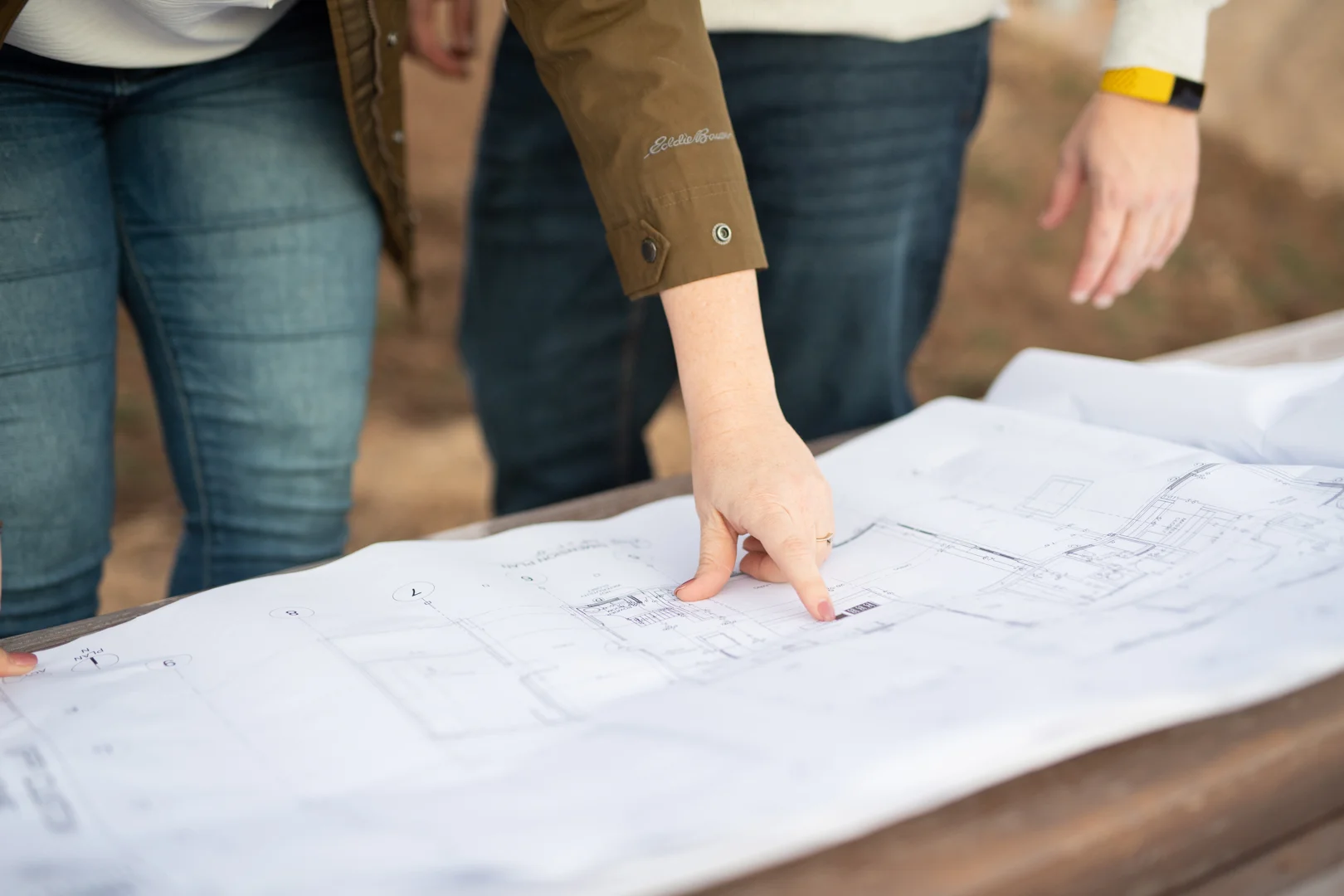
What it's like to design a custom home from the ground up is something most people underestimate — until they're in the middle of it.
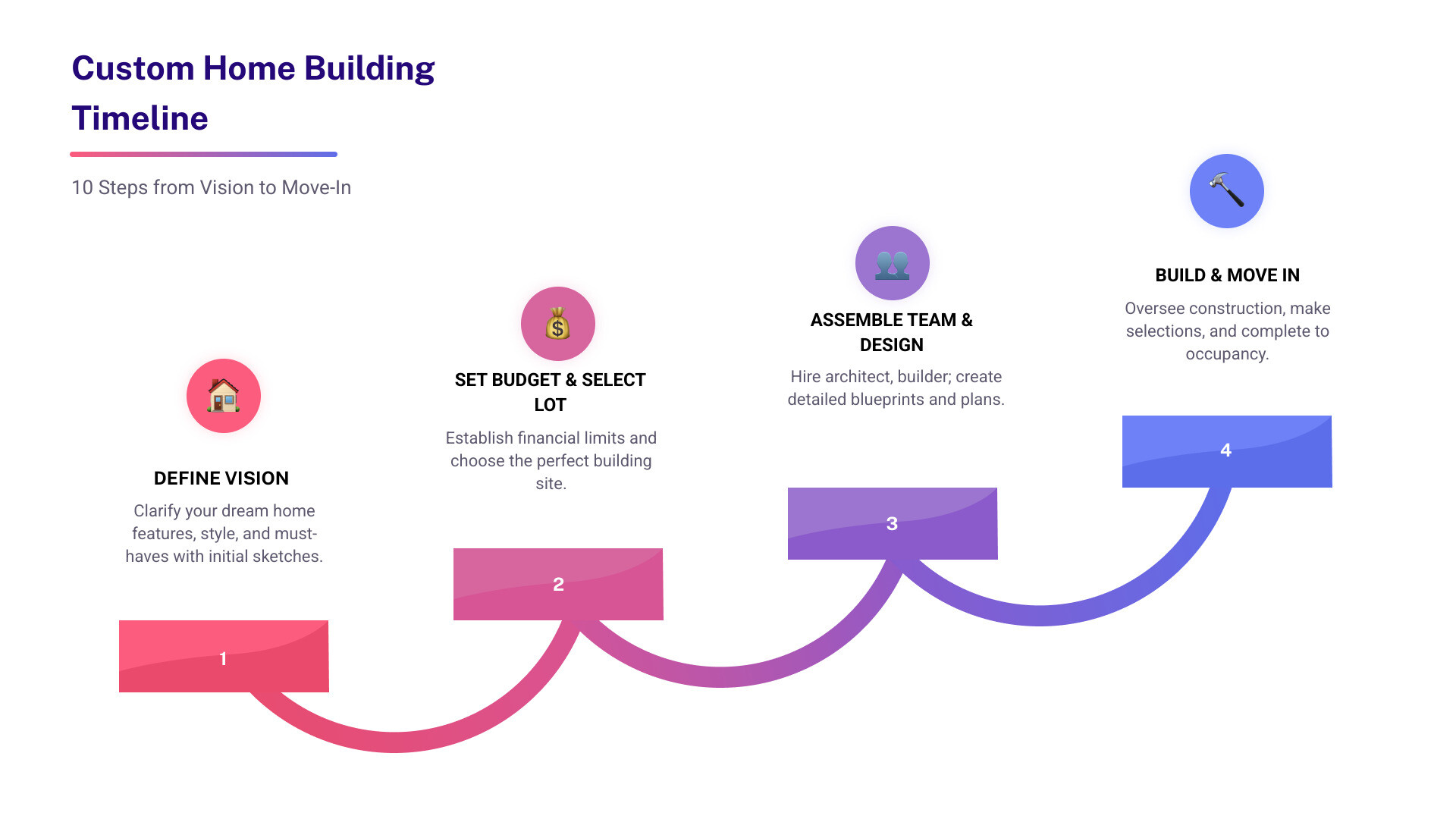
Here is a quick overview of what the process actually involves:
- Define your vision — priorities, lifestyle needs, and future plans
- Set a realistic budget — including a 20% contingency for unexpected costs
- Select your lot — zoning, grading, utilities, and location all shape your design
- Assemble your team — architect, builder, and interior designer working in sync
- Design and plan — floor plans, architectural style, mood boards, and 3D visualization
- Navigate permits — zoning approvals and building permits (typically 2+ months)
- Prepare the site — surveys, grading, excavation, and foundation work
- Build the structure — framing, roofing, plumbing, electrical, and HVAC rough-in
- Make final selections — materials, finishes, fixtures, and appliances
- Pass inspections — pre-drywall review, punch lists, and systems walkthroughs
The full timeline often surprises people. Design alone can take six months or more. Permits add another couple of months. Construction runs six months to a year — sometimes longer. That's potentially two years from first conversation to move-in day.
It is an exciting process. It is also complex, and the decisions you make early have a long reach. A second bedroom added during initial construction costs around $20,000. The same addition as a remodel later? Often $30,000 or more. The stakes are real — and so is the reward when it's done right.
I'm Megan Lopp, CEO and Principal Designer at Green Couch Design, and I've spent nearly two decades guiding clients through exactly what it's like to design a custom home from the ground up — from the first lifestyle conversation to the final walkthrough. In this guide, I'll walk you through each phase of the process with the clarity and honesty I wish more people had access to from the start.
The Foundation: Vision, Budget, and Lot Selection
Before we draw a single line on a blueprint, we have to talk about the "why." Designing a custom home is an exercise in intentionality. Unlike buying an existing property, you are not just selecting a shelter; you are creating a vessel for your life.
We start with a thorough lifestyle assessment. This goes beyond how many bedrooms you need. We ask how you move through your morning, how you entertain, and how you expect your needs to change in ten years. This "future-proofing" is vital. Whether it’s planning for aging in place or ensuring a home office can transition into a nursery, we design for longevity.
The physical site is the next big piece of the puzzle. In Oklahoma City and nearby areas, the land shapes many early design decisions. Slope, soil conditions, drainage, and grading are not just technical issues to solve. They help define how the home should sit, function, and feel. That is why a site-first approach matters, grounding the design in its setting from the start. Learn more about grounding a home in its place.
Many people assume they should design the house first and find the land later. In reality, The #1 Step to Take Before Designing Your Custom Dream Home is securing the right lot. Zoning laws, utility access, and environmental restrictions will fundamentally change what you can build.
Defining Your Project Brief and Priorities
A project brief is our roadmap. It balances your "must-haves" with your "nice-to-haves." While we focus on your specific needs, we also keep an eye on resale value and energy efficiency. A home that is too idiosyncratic can be difficult to sell later, and a home that is poorly insulated will be a burden for decades.
One of the most common pitfalls we see in April 2026 is the desire for excessive square footage. We often discuss the Downside of Building Super-Sized Homes. A larger home isn't necessarily a better home; often, it just means more wasted space and higher maintenance costs. We prefer purposeful, high-functioning square footage over sheer volume.
Securing Financing and Realistic Budgeting
Budgeting for a custom build requires a different mindset than buying a spec home. Most custom builds utilize construction-to-permanent (C2P) loans, which typically require a 20% down payment.
The most important number in your budget isn't the cost per square foot—it’s your contingency fund. We recommend setting aside at least 20% of your total budget for unexpected expenses. Whether it’s a sudden increase in material costs or a site condition that wasn't apparent until excavation, that cushion is what keeps the project moving forward without panic.
| Construction Phase | Initial Cost (Estimated) | Future Remodel Cost |
|---|---|---|
| Additional Bedroom | $20,000 | $30,000+ |
| Rough-in for Future Bath | $1,500 | $8,000+ |
| High-Efficiency Insulation | $4,000 | $12,000+ (Retrofit) |
Assembling Your Expert Team for a Ground-Up Build
What it's like to design a custom home from the ground up depends entirely on the people you have in the room with you. This isn't a solo journey. You need a triad of experts: an architect, a builder, and an interior designer (which we can do in-house alongside our architecture or work with your preferred interior designer).
The question of Residential Architect vs Builder: Who You Should Hire First is common. While builders are masters of execution and logistics, an architect is your advocate for the vision and the structural integrity of the design. At Green Couch Design, we prioritize a collaborative approach where the builder is brought in early to provide real-time cost feedback while we refine the aesthetics and function.
The Role of the Architect as Your Trusted Guide
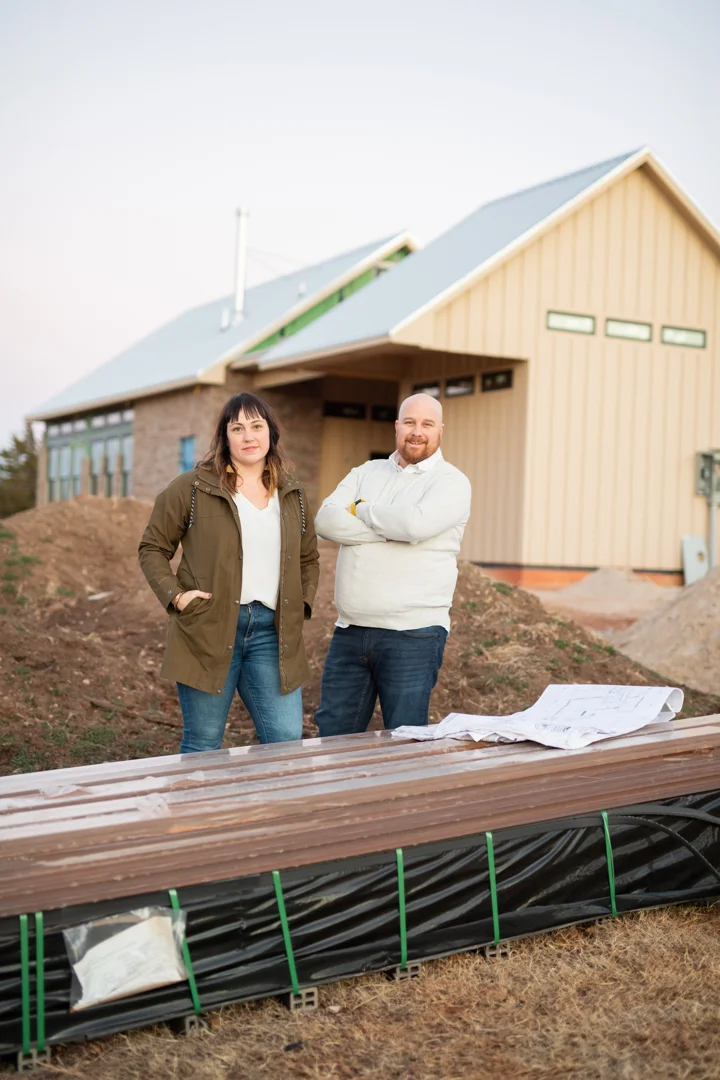
An architect does more than provide drawings; we manage the complex intersection of beauty, physics, and law. In OKC Residential Architecture, we deal with specific climate challenges and local building codes that require a nuanced touch. We are your "legality and legacy" partners, ensuring that what we build today remains a functional, beautiful asset for generations.
What It’s Like to Design a Custom Home from the Ground Up: The Creative Phase
This is where the vision starts to take shape. We move from abstract ideas to concrete floor plans and architectural styles. Whether you are drawn to the clean lines of the OKC Row House or the community-focused layout of a Wheeler District Home, we start by gathering inspiration.
Mood boards and inspiration collections are helpful, but they are just the starting point. Our job is to translate those images into a cohesive spatial experience that works for your specific life.
Understanding What It’s Like to Design a Custom Home from the Ground Up Through 3D Visualization
One of the biggest hurdles for homeowners is "spatial literacy"—the ability to look at a flat 2D blueprint and understand how it will feel to stand in the room. We solve this through 3D visualization and can even Walk Your Plans at full scale if needed.
For projects like our Attainable Tudor, we use software to show exactly how natural light will hit the kitchen island at 8:00 AM in December versus June. We review the flow between rooms, ensuring that the "walk" from the garage to the pantry is efficient and that the sightlines from the entryway are intentional.
Refining the Building Envelope and Systems
Beyond the pretty finishes lies the "engine" of your home. We spend significant time on the building envelope—the physical separator between the conditioned interior and the unconditioned exterior. Understanding What is a Building Envelope is crucial for energy performance. We integrate HVAC systems, plumbing, and electrical needs into the design from day one, so you don't end up with awkward bulkheads or poorly placed vents that ruin the aesthetic later.
Navigating the Construction and Selection Process
Once the plans are finalized and the permits are secured (which can take four months or more), we move to the site.
The construction phase is a series of milestones:
- Site Prep & Foundation: Clearing the land and pouring the slab or basement.
- Framing: The "skeleton" of the house goes up. This is the first time you’ll truly feel the scale of the rooms.
- Rough-ins: Plumbing, electrical, and HVAC are installed before the walls are closed.
- Finishing: Drywall, paint, and the "skin" of the home.
For a deeper dive into these technical steps, we often refer clients to Your guide to designing and building your custom home in 11 steps to help manage expectations during the messier months of construction.
Final Selections: Materials, Finishes, and Fixtures
This is often the most overwhelming part for homeowners. You will be asked to choose everything from grout color to cabinet hardware. With our interior design services we can help guide these selections by balancing durability with aesthetics.
In projects like the Blakley Kitchen Remodel or our Bold Black and White Kitchen Remodel, we focus on materials that can withstand the rigors of daily use while maintaining their visual impact. We help you decide where to splurge (like high-touch fixtures or stone countertops) and where to save.
Inspections and the Final Walkthrough
Before you move in, there is a rigorous series of inspections. The pre-drywall inspection is perhaps the most important, as it’s the last chance to see the "guts" of the house. We also conduct a final walkthrough to create a "punch list"—a list of small items that need correction or touch-ups.
A new home typically comes with a structural warranty (often five years), a systems warranty (two years), and a workmanship warranty (one year). Understanding these protections is part of the move-in process, as outlined in How to Design and Build Your Own Custom Home.
Frequently Asked Questions about Custom Home Design
How long does the custom design and build process typically take?
In the current April 2026 market, you should expect the entire process to take 18 to 24 months. The design phase usually takes 6+ months of back-and-forth collaboration. Permitting in Oklahoma City and surrounding municipalities typically requires 2 months. Construction itself ranges from 6 to 12 months, depending on the complexity and weather.
What It’s Like to Design a Custom Home from the Ground Up Compared to Renovating?
The biggest difference is freedom. When you renovate, you are always compromising with the "ghosts" of the previous design. When you build custom, every window placement and wall is optimized for your specific lot and lifestyle. While a renovation can be faster, a custom build allows for superior energy performance and site-specific orientation. If you're torn, read our thoughts on whether to Add-On or Move On.
How do I ensure my custom home stays on budget and schedule?
Communication and detailed specifications are the keys. The more decisions you make before the foundation is poured, the fewer delays you will face. Change orders during construction are the primary cause of budget overruns. We advocate for regular site visits and a transparent communication protocol between you, us, and the builder.
Conclusion
What it's like to design a custom home from the ground up is a journey of a thousand small decisions that lead to one significant legacy. At Green Couch Design, we don't just want to build you a house; we want to create a space that serves your family and your community for decades to come.
If you're ready to start your own ground-up project in Oklahoma City or the surrounding areas, we invite you to explore our Residential Portfolio to see how we blend function, beauty, and purpose. Let’s build something that lasts.