Ultimate Checklist for Commercial Renovation vs New Construction
The Real Cost of Getting This Decision Wrong
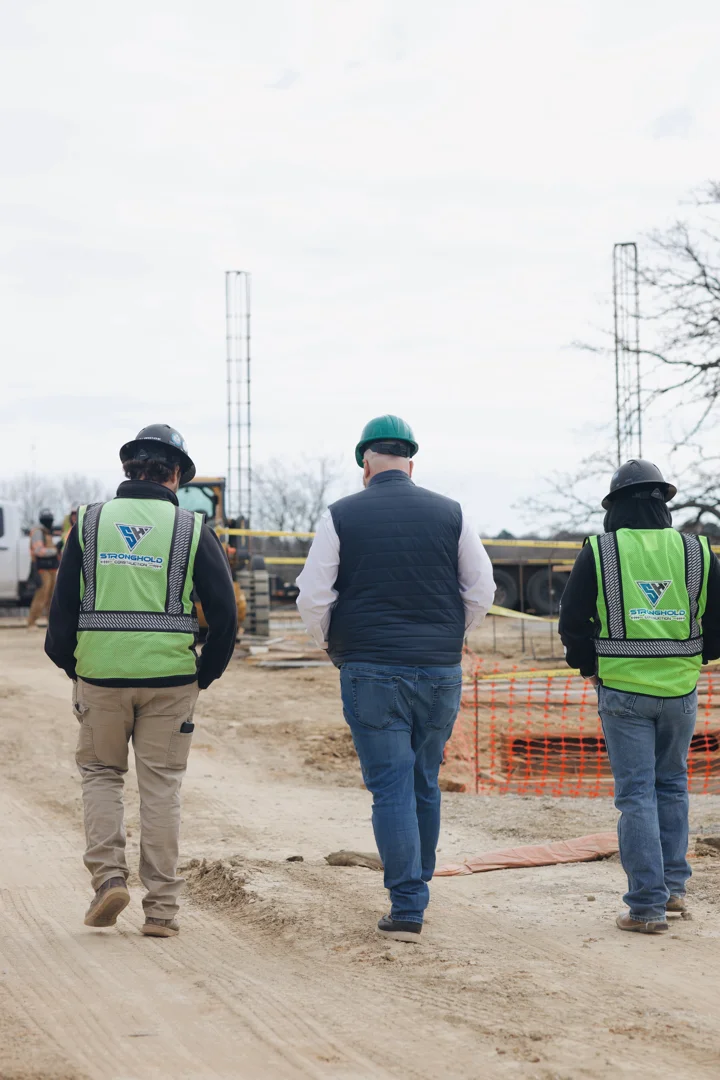
How to choose between renovation and new construction for your commercial property is one of the most consequential decisions a business owner will make — and most people make it without the full picture.
Here is a quick answer to help you decide:
| Factor | Choose Renovation | Choose New Construction |
|---|---|---|
| Cost | $150-$350+/sq ft | $350-$550+/sq ft |
| Timeline | 8-18 months | 12-24 months |
| Location | Prime, irreplaceable site | Flexible or greenfield site |
| Structure | Sound foundation, good bones | Failing systems or major constraints |
| Customization | Limited by existing layout | Full design freedom |
| Disruption | Can phase to stay open | Often requires relocation |
| Sustainability | Lower embodied carbon | Modern systems from the start |
The short version: Renovate when your location, structure, and budget point that direction. Build new when your operational needs have outgrown what any existing building can offer.
That said, the decision is rarely that clean. In 2026, commercial renovation projects account for 65% of all commercial construction activity — yet 40% of business owners still choose ground-up construction. Both paths carry real risks, hidden costs, and long-term implications that a simple checklist cannot fully capture.
The wrong choice does not just strain your budget. It can limit how your space serves your people, your clients, and your long-term goals.
This is where purposeful, informed design makes all the difference.
At Green Couch Design, our team brings together deep experience in architecture and commercial design - all centered on one important question: how to choose between renovation and new construction for your commercial property. In the sections ahead, we'll walk you through the factors that matter most, so you can make a clear, confident decision that supports your business for years to come.
Key Factors in How to Choose Between Renovation and New Construction for Your Commercial Property
When we sit down with business owners in Oklahoma City, we start by looking at the "bones" of the situation. The primary factors in this decision are structural integrity, location value, and the results of a rigorous site evaluation. You cannot build a legacy on a foundation that is literally or figuratively crumbling.
Before you sign a contract or purchase land, you must evaluate a commercial property before you buy or build. This involves looking at the mechanical systems, the roof, and the envelope of an existing building. If the cost to bring these systems up to modern standards exceeds 70-80% of the cost of a new build, the "savings" of a renovation quickly vanish.
For a deeper dive into these fundamentals, we often refer clients to this guide on commercial building renovation vs new construction explained. It highlights that while a renovation preserves the history of a site, it also inherits any mistakes made by previous builders.
Cost Realities of How to Choose Between Renovation and New Construction for Your Commercial Property
Budget is often the loudest voice in the room. In 2026, the financial gap between the two paths remains significant but nuanced. Ground-up commercial construction in our region typically ranges from $350 to $550 per square foot and up. This includes land acquisition, site preparation, and all new infrastructure.
Renovations, conversely, offer a wider range. A light cosmetic refresh might cost as little as $150 per square foot, while a full "gut" renovation—where we strip the building to its studs—can climb to $350 per square foot. It is also vital to factor in professional fees. Understanding what it costs to hire a commercial architect is essential, as expert guidance can prevent the "hidden issues" (like asbestos or outdated wiring) that often cause renovation budgets to balloon by 30-50%.
Operational Impacts: How to Choose Between Renovation and New Construction for Your Commercial Property
Time is money, especially when your business operations are at stake. A ground-up project is a marathon, typically taking 12 to 24 months from the first permit application to the ribbon-cutting. This timeline is often extended by site work, weather delays, and the complexities of new utility connections.
Major renovations are generally faster, spanning 8 to 18 months. However, the true benefit of renovation is the ability to use "phased construction." We can often design a project so that one wing of a building remains operational while the other is under construction. If your business cannot afford to close or relocate during the build, renovation is frequently the smarter path. You can see how these phases fit into a larger commercial project timeline to better plan your transition.
Navigating Regulatory and Zoning Requirements
In Oklahoma City and Midwest City, zoning can be a major hurdle. New construction must comply with every current building code, from modern fire suppression to strict ADA accessibility. Renovations sometimes benefit from "grandfathering" rights, where certain existing conditions are allowed to remain as-is.
However, be careful: if your renovation exceeds 50% of the building's value, local authorities often require the entire structure to be brought up to current codes. Navigating OKC commercial zoning permitting requires a partner who understands local nuances. We integrate this into our commercial design process in Oklahoma to ensure there are no surprises at the city planning desk.
When Renovation is the Better Choice
Renovation is often the superior choice when you have secured a prime location that would be impossible to find as a vacant lot. In established parts of Oklahoma City, the "best" corners already have buildings on them.
If your budget is constrained or if you are working within a structurally sound building that simply needs a functional update, staying put makes sense. We categorize many of these projects under our remodel expertise. A classic example of this is our commercial to residential conversion of a historic Montana brewery, where we preserved the soul of the building while completely reimagining its purpose.
Maximizing ROI through Tenant Improvements
For many business owners, a full building isn't necessary. You may just need to optimize a leased space. This is where adaptive reuse and aesthetic updates shine. We help clients understand tenant improvements and what business owners need to know before leasing a space. By focusing on high-impact changes—lighting, flooring, and layout—you can achieve a high return on investment without the price tag of a ground-up build.
Preserving Architectural Character and Legacy
There is an intangible value in history. Older buildings often feature craftsmanship—intricate brickwork, ornate cornices, or heavy timber framing—that is prohibitively expensive to replicate today. Choosing between new construction and renovation often comes down to whether you want a "showpiece" that tells a story. Furthermore, many historic renovations qualify for tax credits that can offset 20-40% of the project costs, making the preservation of legacy a sound financial decision as well.
When New Construction Makes More Sense
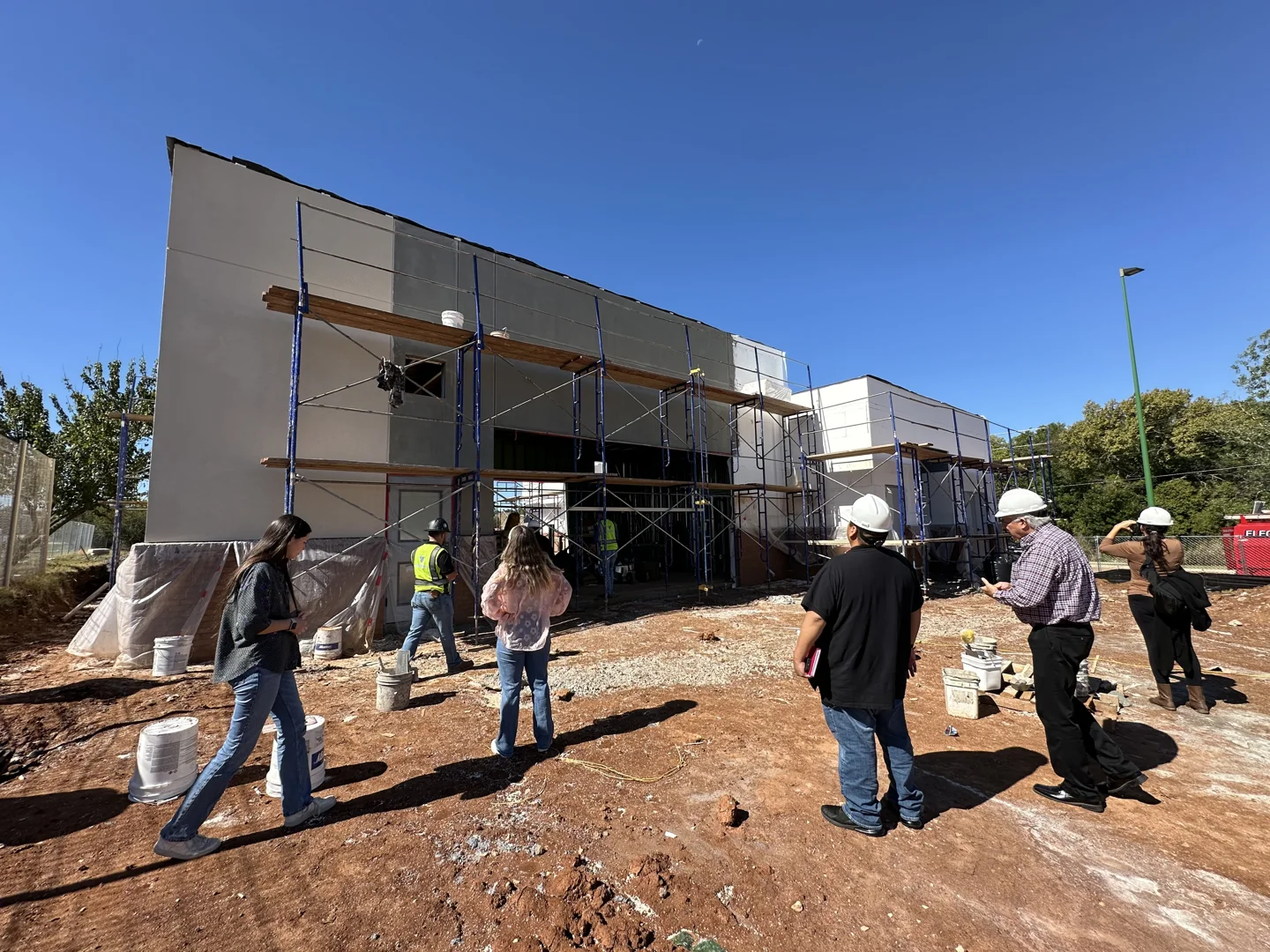
Sometimes, the most "intentional" thing you can do is start over. If an existing building has major structural failures, significant environmental issues like mold or lead, or a layout that actively hinders your workflow, new construction is the answer.
When you build or renovate, you must weigh the "efficiency tax" of an old building. If you need specialized clean rooms, heavy machinery footings, or massive open spans that an old warehouse can't provide, a new construction project is the only way to meet those exact needs.
Long-Term Benefits of Energy Efficiency and Sustainability
New builds allow us to bake sustainability into the design from day one. While renovations can include new HVAC systems, they are still limited by the existing building envelope. New construction allows for high-performance insulation, solar-ready roofing, and advanced climate control systems that significantly lower monthly operating costs. Avoiding mistakes in commercial development often means looking at the 20-year cost of ownership, not just the 12-month cost of construction.
Design Freedom and Brand Identity
Your building is a billboard for your brand. Ground-up projects offer total design freedom. We can optimize the workflow for your specific production line or create a client experience that is perfectly choreographed from the parking lot to the conference room. Our work in OKC commercial architecture focuses on creating spaces that aren't just shells, but functional tools that help your business grow.
Frequently Asked Questions about Commercial Development
Choosing a path is complex, and we find that most owners have similar concerns. Working with a boutique architecture firm allows for the personalized attention needed to answer these questions specifically for your market.
Is renovation always cheaper than new construction?
Not always. While upfront costs are usually lower, "surprises" behind the walls can close the gap quickly. If a renovation requires extensive structural shoring or environmental remediation, the cost per square foot can approach new construction levels.
How do timelines compare for commercial projects in 2026?
Renovations are typically 4-6 months faster than new builds. However, if you are pursuing historic tax credits or dealing with complex "grandfathered" zoning issues, the paperwork for a renovation can sometimes take longer than the build itself.
What are the biggest risks of a commercial renovation?
The "unknown unknowns." This includes hidden asbestos, structural rot, or electrical systems that don't meet modern capacity needs. We recommend a thorough pre-design assessment to mitigate these risks early.
Conclusion
At Green Couch Design, we believe every project should be a legacy. Whether you are breathing new life into a historic structure or breaking ground on a modern facility, your choice should be purposeful and data-driven.
We’ve seen the power of transformation in projects like the Pawnee Courthouse Renovation, where we balanced the weight of history with the needs of a modern institution. How to choose between renovation and new construction for your commercial property isn't just a math problem—it's a question of where your business is going and how your physical space can help you get there.
If you are ready to evaluate your options with a partner who values function as much as beauty, we are here to help you navigate the process. Let’s build something that lasts.