Designing Cultural Spaces That Honor the Community
Why Designing Cultural Spaces That Honor the Community They Serve Matters More Than Ever
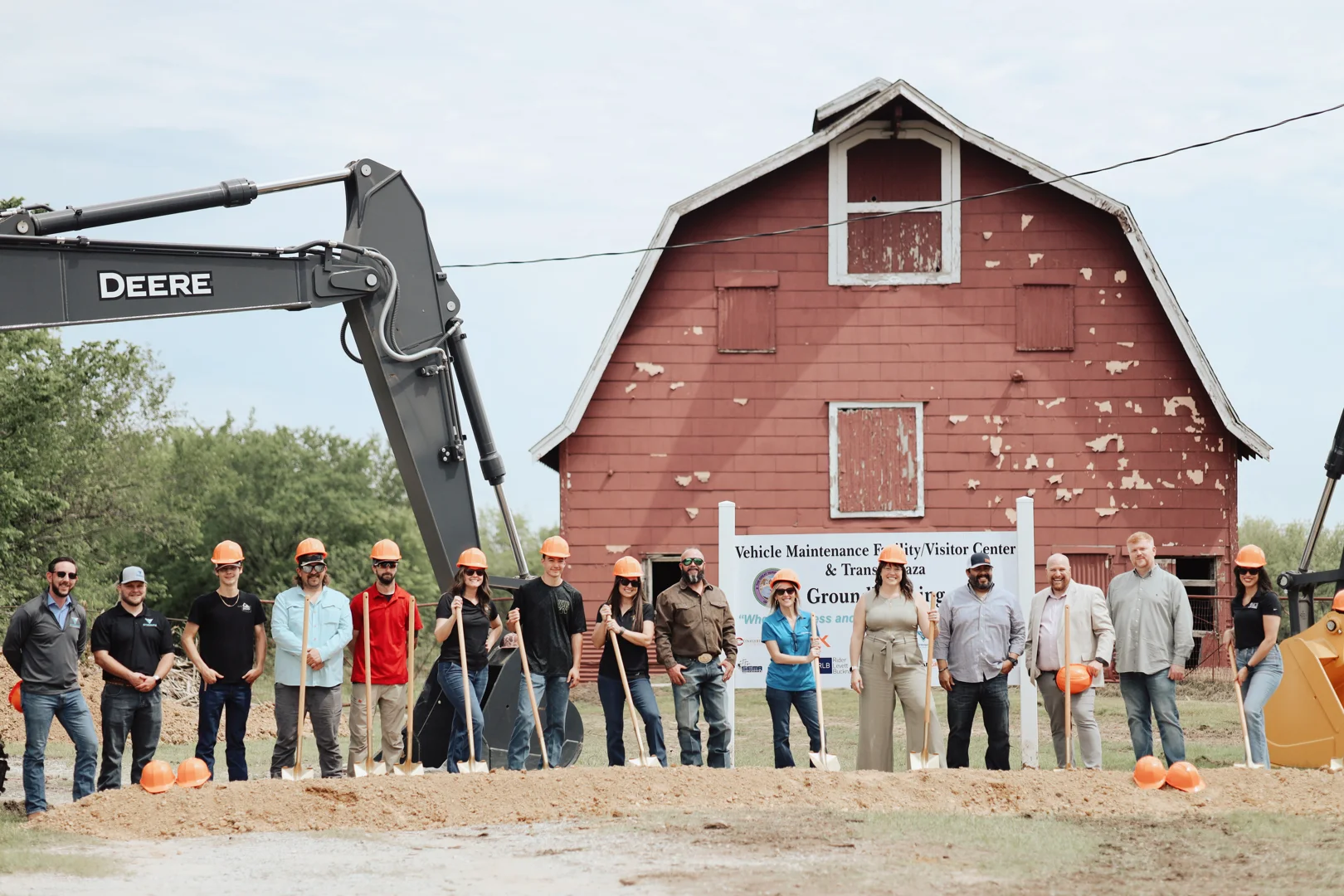
Designing cultural spaces starts with one simple principle: the people who will use the space should shape it.
Here's a quick summary of what that actually looks like in practice:
- Listen first. Engage community members — especially those with cultural authority — before any design decisions are made.
- Co-design, don't assume. Use workshops, interviews, and hands-on input sessions to let the community lead.
- Embed meaning into materials. Color, texture, and spatial layout all carry cultural weight. Choose them intentionally.
- Distinguish appreciation from appropriation. Honoring a culture means collaborating with it — not borrowing from it without consent.
- Balance tradition with function. A great cultural space respects the past while meeting today's practical and sustainability needs.
- Create feedback loops. Community engagement doesn't stop at opening day. Ongoing input keeps the space relevant and trusted.
Too many cultural buildings are designed about a community rather than with one. The result? Spaces that feel hollow, underused, or worse — offensive to the very people they were meant to celebrate. Getting this right takes more than good intentions. It takes a process built around humility, real consultation, and design decisions grounded in lived experience.
At Green Couch Design, our team brings nearly two decades of experience across strategy and design. We have seen how designing cultural spaces that honor the community they serve transforms not just buildings, but the neighborhoods around them. In the sections ahead, we'll walk through the philosophy, process, and practical decisions that make the difference between a space that's merely built and one that truly belongs.
Designing Cultural Spaces That Honor the Community They Serve: The Core Philosophy
When we approach Cultural Architecture, we must shift our perspective from that of an "expert creator" to that of a facilitator and translator. Historically, civic and institutional buildings were designed as imposing "cathedrals of culture." While beautiful, these grand structures often felt exclusionary, walled off from the everyday lives of the people they were built to serve.
Today, we understand that Civic and Public Architecture must act as a porous, welcoming extension of the neighborhood. Ethical design means recognizing that communities are not monoliths; they are rich, complex webs of history, lived experiences, and shared values.
Distinguishing Cultural Appreciation from Appropriation
One of the most common mistakes designers make when trying to incorporate cultural themes is relying on surface-level decoration. This is where the line between respectful cultural appreciation and harmful appropriation is crossed.
- Cultural Appropriation occurs when design elements, patterns, or motifs are stripped from their original context and used purely as trend-driven aesthetics without permission, understanding, or proper credit. It treats a living heritage as a decorative prop.
- Cultural Appreciation, by contrast, is rooted in humility, learning, and collaboration. It involves working directly with cultural representatives, seeking explicit consent, and understanding the deeper spiritual or social meaning behind architectural forms.
When we design, we must actively uplift local voices, ensuring that any representation of heritage is accurate, consensual, and empowering. This means crediting our sources, collaborating with local artisans, and ensuring that our design choices are grounded in deep research rather than superficial trends.
The Co-Design Process: Moving from Assumptions to Lived Experiences
How do we move past our own assumptions as designers? The answer is co-design. This is the practice of bringing community stakeholders into the actual design process as equal partners.
When we discuss What is Civic Infrastructure, we are talking about more than just roads and utility lines; we are talking about the shared spaces that foster social connection. In our guide on Designing for the Public: What Civic Architecture Gets Wrong, we emphasize that the biggest mistake a team can make is designing in a vacuum. If you don't ask the community what they need, you will inevitably build a space that doesn't fit their lives.

Establishing Long-Term Feedback Loops and Metrics
A project’s relationship with its community shouldn't end with a ribbon cut. To make sure the space keeps serving real needs, design teams need long-term feedback loops.
- Post-Occupancy Evaluations (POEs): Conducting surveys, interviews, and spatial use studies six months to a year after opening helps us see how people actually interact with the space.
- Measurable Community Impact: According to the National Endowment for the Arts (NEA), creative placemaking projects supported by programs like Our Town have generated documented increases in local economic activity, job creation, and civic investment across more than 70 case studies.
- Adaptable Management: Creating spaces that can be easily reconfigured by local groups for festivals, classes, or neighborhood meetings ensures the community retains true ownership.
By studying successful Civic Infrastructure Examples, we can build flexible governance models that allow the physical space to evolve alongside the community’s changing needs.
Materiality, Color, and Spatial Planning as Cultural Language
Architecture is a form of non-verbal communication. Every material we select, every color we specify, and the way we organize rooms tells a story. When designing cultural spaces that honor the community they serve, these choices must be deliberate and deeply rooted in local context.
| Design Element | Cultural/Traditional Context | Architectural Application |
|---|---|---|
| Spatial Layout | Dictates social boundaries, privacy norms, and communal gathering habits. | Prioritizing open, circular gathering spaces over linear, segmented rooms. |
| Color Palettes | Colors carry vastly different symbolic meanings across heritages (e.g., healing, mourning, or celebration). | Integrating custom palettes into interior finishes, fabrics, and wayfinding. |
| Materiality | Natural resources (stone, timber, earth) ground a building in its specific geography and history. | Using local Oklahoma sandstone, reclaimed timber, or traditional masonry techniques. |
Sourcing Local Materials and Regional Craft Traditions
There is a profound power in using materials that are native to a place. When a community sees local stone, regional timber, or traditional plasterwork in a civic building, it creates an immediate sense of familiarity and pride.
This approach is especially important in Oklahoma, where climate, landscape, history, and community identity all shape the built environment. By using local materials and respecting regional building traditions, we can create projects that feel grounded, sustainable, and deeply connected to the people and places they serve.
Balancing Tradition, Modern Functionality, and Sustainability
One of the greatest challenges in cultural architecture is balancing the preservation of heritage with the realities of modern building codes, structural safety, and environmental sustainability. A building cannot truly honor its community if it is inefficient to run, inaccessible to those with physical disabilities, or harmful to the local ecosystem.
We believe in the power of Historic Preservation and Historic Building Preservation: Restoring Industrial Spaces. Restoring older structures allows us to keep the physical fabric of our history alive while upgrading systems to meet modern energy-efficiency and accessibility standards.
Balancing Heritage and Modernity: Designing Cultural Spaces That Honor the Community They Serve
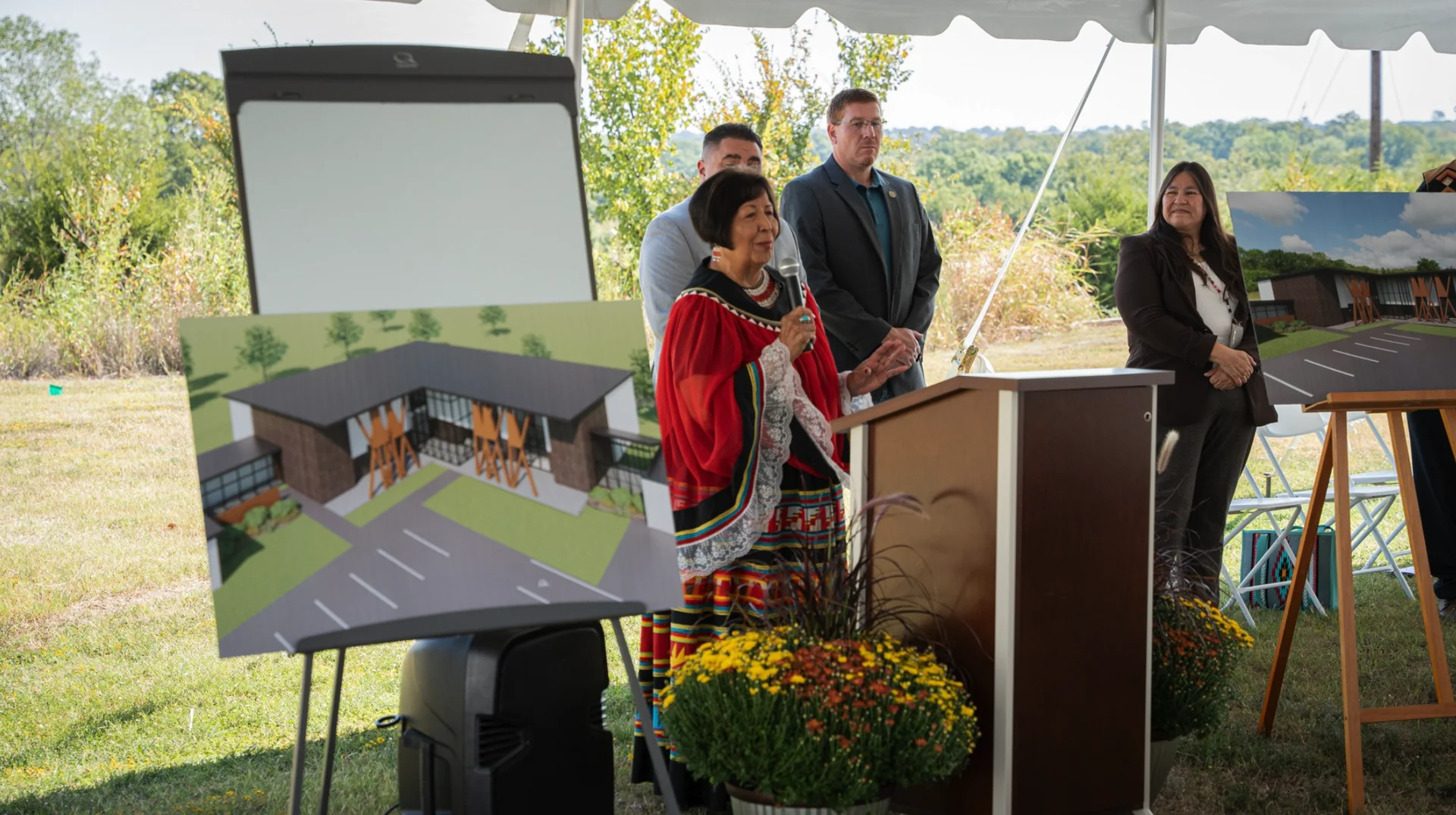
To successfully balance these competing demands, we must approach design with a commitment to universal accessibility. This means integrating features like ramps, sensory-friendly spaces, and intuitive wayfinding directly into the architectural concept, rather than treating them as afterthoughts.
Furthermore, we must work with experienced construction partners who understand how to execute complex, culturally significant designs. Collaborating with trusted regional experts, such as those specializing in Oklahoma Community / Cultural / Religious Construction - Boldt, ensures that the technical execution of a project matches its cultural ambitions.
Adaptive Reuse and Landscape Integration
Adaptive reuse is one of the most sustainable and culturally respectful ways to revitalize a neighborhood. Instead of tearing down a building that holds decades of community memories, we can transform it to serve a new, contemporary purpose.
This strategy is especially useful in local revitalization efforts, where communities want growth without losing the places and stories that shaped them. By understanding What Adaptive Reuse Architecture Actually Means and How Adaptive Reuse Creates Long-Term Value for Commercial Properties, we can protect built heritage while supporting economic momentum.
Frequently Asked Questions About Culturally Responsive Architecture
How do we measure the success of a community-designed cultural space?
The success of a community-designed space goes far beyond aesthetic praise. We measure success by looking at long-term community investment, civic engagement, and how frequently the space is utilized for local events and activities. High levels of local ownership, positive post-occupancy feedback, and a measurable reduction in the mismatch between the facility and its end users are the ultimate indicators of a project's success.
What is the difference between cultural appreciation and cultural appropriation in design?
Cultural appreciation is a collaborative, respectful process that involves deep research, seeking consent from cultural authorities, and accurately representing heritage within its proper context. Cultural appropriation, on the other hand, is the shallow adoption of cultural symbols or patterns as trend-driven decoration, without understanding their meaning or engaging with the community they originate from.
How can adaptive reuse preserve local history while serving modern needs?
Adaptive reuse preserves local history by maintaining the physical structure and architectural character of a historic building while completely updating its interior layout, mechanical systems, and accessibility features. This approach allows us to create highly flexible, modern spaces—such as those detailed in our case study on the Adaptive Reuse Architecture: Mixed-Use Project Kalispell Montana—that honor the past while meeting contemporary functional needs.
Designing with Purpose and Legacy
Designing cultural spaces that honor the community they serve is a journey that requires patience, active listening, and a deep respect for the people who make a place whole. At Green Couch Design, we don't believe in one-size-fits-all architecture. Every project we touch is an opportunity to craft a functional, beautiful legacy that reflects the true spirit of its neighborhood.
Whether we are restoring a civic landmark like the Pawnee Courthouse Renovation or shaping new community-focused spaces in Oklahoma City, Green Couch Design brings an intentional, collaborative, and values-driven process to every decision. Let’s create a place that feels rooted, useful, and truly connected to the people it serves. Schedule a discovery call to discuss your next cultural or civic project.