Beyond Bricks and Mortar: Understanding Civic Infrastructure
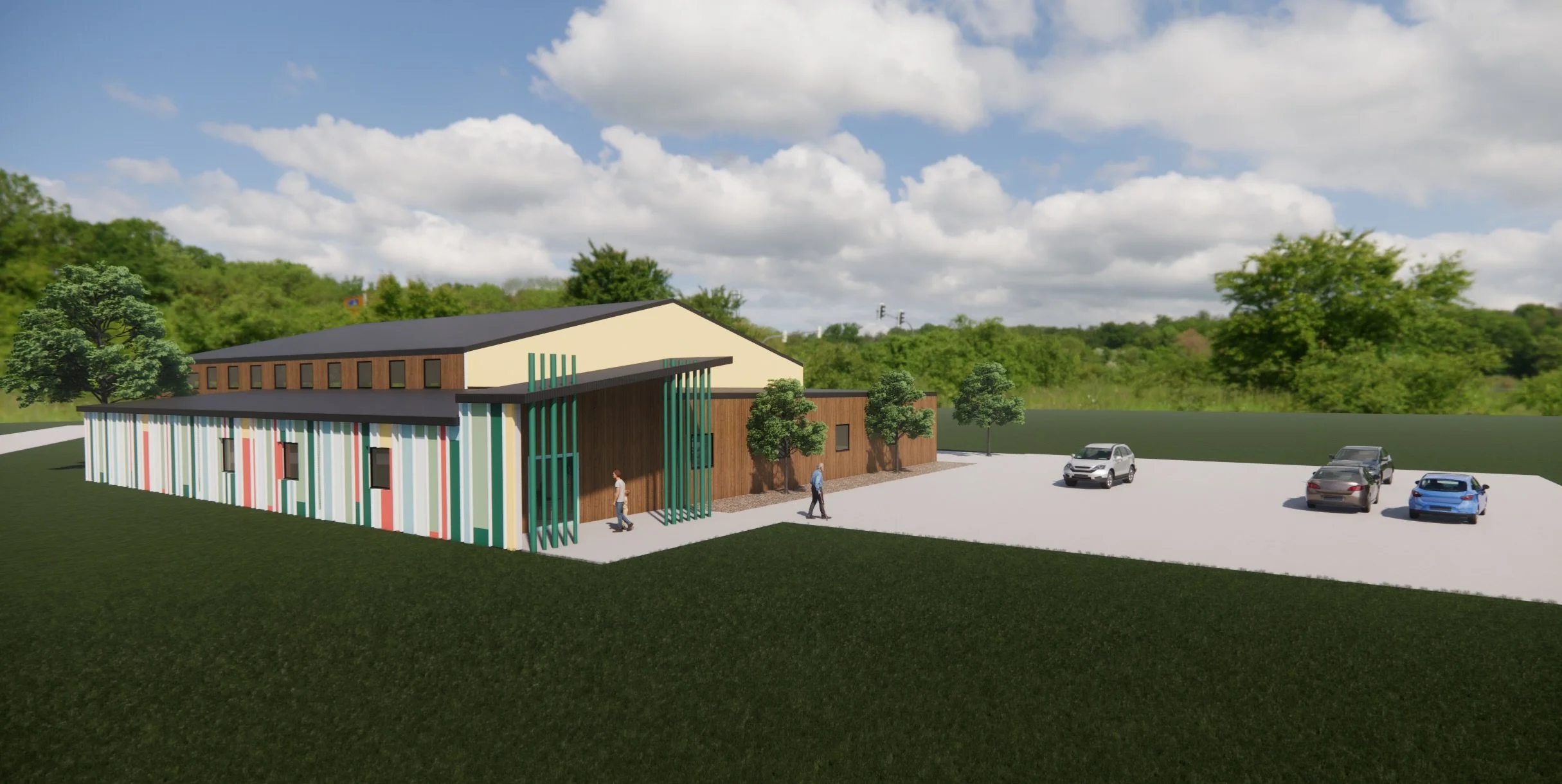
What Civic Infrastructure Really Means For Your Community
What is civic infrastructure? It's the collection of places, policies, programs, and practices that allow community life to take shape—the framework that enables people to connect, solve shared problems, and participate in civic life.
Quick Answer:
- Physical Spaces: Libraries, parks, community centers, public buildings
- Social Systems: Collaborative programs, civic engagement opportunities, data-sharing networks
- Democratic Foundations: Policies, governance structures, and practices that enable participation
- Human Connections: The relationships and trust that bind a community together
When we think of infrastructure, we usually picture roads and bridges. But another kind, civic infrastructure, is just as essential. It’s the network of spaces and systems—often called "human infrastructure"—that allows a community to function. It's the library where families gather, the park where neighbors meet, the programs that solve local challenges, and the policies that ensure everyone has a voice.
Without it, communities struggle. Public spaces fall into disrepair, trust erodes, and people feel disconnected. But when civic infrastructure is intentionally built and maintained, communities become more resilient, democratic, and livable.
At Green Couch Design, we've seen this firsthand. Our work on the Pawnee Courthouse Renovation helped strengthen democratic participation by restoring a historic civic building. The Catalyst Youth Facility created a dedicated space for young people to connect, investing in future civic engagement. And the Cornerstone Church Exterior Renovation improved a vital gathering place that anchors the neighborhood's social fabric.
With nearly two decades of experience in Oklahoma City, at Green Couch Design, we have learned that civic infrastructure is about creating intentional spaces that serve people and strengthen community bonds. This guide explains how these systems work and why they matter for every community's future.
What is Civic Infrastructure? The Operating System of a Community
When we consider the health of our communities in Oklahoma City and beyond, we often focus on tangible assets like roads or power grids. These are crucial, but they represent only one part of the picture. For a community to truly thrive, it needs a robust operating system—a framework that enables its people to connect, collaborate, and shape their shared future. This operating system is civic infrastructure.
Defining Civic Infrastructure
At its core, civic infrastructure refers to the places, policies, programs, and practices that support strong communities and foster civic engagement. It's not just about physical structures; it's the entire ecosystem that facilitates community life and democratic participation.
Sometimes called "human infrastructure," this concept emphasizes the relational aspects of community. It involves bringing leaders from various sectors—education, business, healthcare, and philanthropy—together with community members. Their collaborative efforts, often guided by data, aim to improve outcomes for everyone. This collaborative spirit is essential for strengthening communities in Oklahoma.
Think of civic infrastructure as the foundation for everyday civic life, from joining a neighborhood watch group to voting. It’s the network that facilitates social capital, civic engagement, and collective resilience. Without it, the fabric of community life begins to fray.
For us at Green Couch Design, understanding what is civic infrastructure means recognizing that our architectural projects are contributions to this larger system. When we design a community space, we help create a place where civic life can flourish, because purposeful design directly strengthens this infrastructure.
How is Civic Infrastructure Different from Physical Infrastructure?
While the terms are sometimes used interchangeably, it's important to understand the distinction between civic infrastructure and physical infrastructure. Think of it this way: if physical infrastructure is the hardware of a community, then civic infrastructure is its operating system.
Physical infrastructure deals with the tangible, built environment. This includes transportation networks (roads, bridges), communications systems, and utilities (electricity, water). Its primary focus is on the construction and maintenance of these assets.
On the other hand, civic infrastructure is a broader concept that encompasses the physical but extends beyond it. While it includes physical amenities, its emphasis is on the planning, management, and application of these resources for community well-being. It's about how physical assets are used, governed, and integrated into the social life of a community.
Here's a table to illustrate the key differences:
| Feature | Physical Infrastructure | Civic Infrastructure |
|---|---|---|
| Primary Focus | Construction, maintenance, tangible assets | Planning, management, operation, community outcomes, relationships |
| Nature | Tangible, visible, built environment | Both tangible (spaces) and intangible (policies, relationships, programs) |
| Key Elements | Roads, bridges, utilities, buildings | Public spaces, policies, programs, collaborative networks, data sharing, civic engagement |
| Goal | Efficient service delivery, structural integrity | Fostering connection, participation, resilience, well-being, democratic governance |
| Analogy | Hardware | Operating System |
Civic infrastructure also includes elements like strategic planning for disaster resilience and effective waste management policies, which go beyond mere construction to address a community's long-term health and adaptability. It’s about ensuring our built environment serves a greater purpose—to empower and connect people.
What is the Purpose of Civic Infrastructure?
The purpose of civic infrastructure is multifaceted and deeply intertwined with the well-being and progress of any community. For Oklahoma City and Midwest City, strong civic infrastructure means a stronger future.
- Fostering Civic Engagement: It creates avenues for residents to participate actively in their community's life and governance.
- Supporting Community Well-being: It directly improves quality of life by providing accessible public spaces, effective programs, and inclusive policies.
- Enabling Collective Problem-Solving: It builds the collaborative networks necessary for diverse groups to identify shared challenges and work towards common solutions.
- Building Social Capital: It strengthens the bonds of trust and cooperation among community members, creating a richer social fabric.
Civic infrastructure enables a community to adapt and flourish, even in times of crisis. At Green Couch Design, we understand that our work in architecture and design directly supports these purposes, creating spaces that invite participation and build community. You can learn more about our civic and public work and how we approach these vital projects.
The Core Components of a Strong Community
A resilient community in Oklahoma City isn't built by chance. It's built on a foundation where physical spaces and social systems work together. This interwoven network forms the essential components of a robust civic infrastructure, ensuring our communities are not just functional, but vibrant and connected.
The Physical Foundations: Civic Spaces and Places
These are the tangible elements of civic infrastructure—the places where community life happens. Well-designed public spaces are more than just buildings or parks; they are the cornerstones of civic health, providing the backdrop for connection, shared experiences, and collective memory.
In Oklahoma, these spaces can include:
- Public buildings: City halls, courthouses, and post offices serving as centers for democratic processes.
- Parks and Green Spaces: Areas like Scissortail Park offering opportunities for recreation and social interaction.
- Libraries: Community hubs like the Metropolitan Library System branches, providing access to information and learning.
- Community Centers: Places for people to gather for events, classes, and support groups.
- Public Markets: Spaces like the Farmers Public Market where local commerce and community converge.
- "Third Places": Informal gathering spots like coffee shops or town squares where people connect outside of home and work.
At Green Couch Design, we recognize the profound impact that thoughtful architectural design has on these civic spaces. Our work is about creating environments that are highly functional and conducive to community engagement.
For example, our work on the Pawnee Courthouse Renovation is a prime illustration. This project wasn't just about updating a building; it was about revitalizing a historic structure that stands as a symbol of democratic governance. By preserving its legacy while enhancing its functionality, we helped ensure this essential civic space continues to serve the people of Pawnee.
Similarly, the Catalyst Youth Facility in Oklahoma City is a direct investment in our youth. This facility provides a dedicated space where young people can connect, learn, and grow, fostering positive relationships and encouraging civic participation from an early age.
And our Cornerstone Church Exterior Renovation project highlights how improving a vital community hub can impact the neighborhood's social fabric. By enhancing its exterior, we helped ensure this important space remains welcoming and accessible to all who seek community.
These projects underscore our commitment to creating spaces that serve people and community, reinforcing the idea that good design is purposeful and built to last. You can explore more about our approach on our public projects page.
The Social Fabric: People, Programs, and Policies
Beyond bricks and mortar, civic infrastructure also encompasses the web of systems, relationships, and programs that empower people to participate in community life. This is the intangible, yet powerful, social fabric that defines a thriving community.
Key elements of this social fabric include:
- Collaborative Action: The ability of diverse groups—leaders from education, business, healthcare, and philanthropy—to work together with community members towards common goals.
- Community Involvement: Active participation from residents in decision-making processes, local organizations, and volunteer efforts.
- Data Sharing: The systematic use of data to understand community challenges, track progress, and make informed decisions.
- Civic Engagement: The myriad ways individuals contribute to the public life of their communities, from voting to joining local boards.
- Social Capital: The networks of relationships and trust among people that enable a society to function effectively.
- Cradle-to-Career Support: Comprehensive programs that support individuals from early childhood through adulthood, ensuring access to opportunities.
- Inclusive Policies: Rules and regulations designed to ensure equitable access to resources for all community members.
Building an intentional and inclusive civic infrastructure requires engaging all sectors and voices, and exchanging knowledge across communities. It means proactively designing systems that foster connection, trust, and shared responsibility. You can dig deeper into these ideas by exploring articles like Building an Intentional and Inclusive Civic Infrastructure (SSIR).
Why Civic Infrastructure is a Community's Lifeline
Investing in civic infrastructure is not a luxury; it is a fundamental necessity for a community's long-term health, prosperity, and resilience. For Oklahoma City and Midwest City, prioritizing this infrastructure means laying the groundwork for a future where everyone can thrive.
Fueling Economic Growth and Resilience
A well-oiled civic infrastructure is a powerful engine for economic growth. When people are connected, engaged, and supported, they are more productive, innovative, and resilient.
- Economic Stability: Communities with strong civic infrastructure attract investment and foster a stable environment for businesses by reducing risks and providing a strong foundation for commerce.
- Adaptability in Crisis: When challenges arise, communities with robust civic infrastructure are better equipped to respond and recover through networks of collaboration and community involvement.
- Disaster Resilience: Strategic planning that incorporates civic infrastructure helps protect structures and populations from natural disasters through preparedness plans and communication networks.
- Sustainable Growth: Fostering civic engagement leads to more informed decisions about development, resulting in growth that is equitable and environmentally sustainable.
- Community Wealth: Investing in public spaces and programs builds collective assets and capabilities within a community, leading to long-term wealth that benefits all residents.
This holistic approach recognizes that economic vitality is about the well-being of people and the strength of their connections. Our architectural designs in Oklahoma City are mindful of this, aiming to create environments that contribute to the broader economic and social resilience of the community.
Frequently Asked Questions about Civic Infrastructure
How is civic infrastructure different from social infrastructure?
While related, social infrastructure is a subset of civic infrastructure. Social infrastructure typically refers to physical facilities supporting social services, like schools and hospitals. Civic infrastructure is a broader concept that includes these assets but also encompasses the policies, programs, and practices that activate them. For example, a school building is social infrastructure; the school board, parent-teacher associations, and civic education policies are part of the larger civic infrastructure.
Can a private building be part of a community's civic infrastructure?
Yes. While many components of civic infrastructure are publicly owned, privately owned spaces can play a vital role if they serve a public function. A private building becomes part of the civic infrastructure when it provides a place for people to gather, connect, and engage in civic life. Examples include a church with outreach programs, a non-profit's community hall, or a public plaza in a commercial development. The key is its contribution to community connection, not its ownership.
How can I get involved in strengthening civic infrastructure?
Strengthening civic infrastructure starts with local, individual actions. You can make a difference in Oklahoma City by getting involved:
- Participate in Local Life: Join a neighborhood association, attend city council meetings, or volunteer for local clean-up efforts.
- Support Local Institutions: Volunteer at your local library, community center, or food bank.
- Engage in Public Spaces: Spend time in local parks and public markets. Your presence helps activate these spaces.
- Support Local Businesses: Patronizing local businesses sustains economic vitality and creates informal places for connection.
- Advocate for Intentional Design: Support initiatives that prioritize thoughtful, community-focused design for public spaces.
Engaging with these shared resources is the foundation of civic stewardship. Every act of participation contributes to a more resilient and connected community.
Conclusion: Building a Legacy of Connection
Civic infrastructure is the enduring framework that allows a community to not only function but flourish. It’s the thoughtful integration of physical places and human connection, creating a legacy of resilience, opportunity, and belonging. It requires intentionality, collaboration, and a commitment to building for the long term.
For us, understanding what is civic infrastructure means recognizing that our work as architects in Oklahoma City has a profound impact. It means designing spaces that foster genuine connection, encourage participation, and stand the test of time—both structurally and socially. We believe that purposeful design is a critical tool for strengthening this foundation, ensuring that the places we create serve as catalysts for a more connected and resilient future.
Explore how we approach purpose-driven commercial and civic architecture and partner with communities to build lasting legacies.