
Civic Infrastructure Examples: Building Stronger Communities
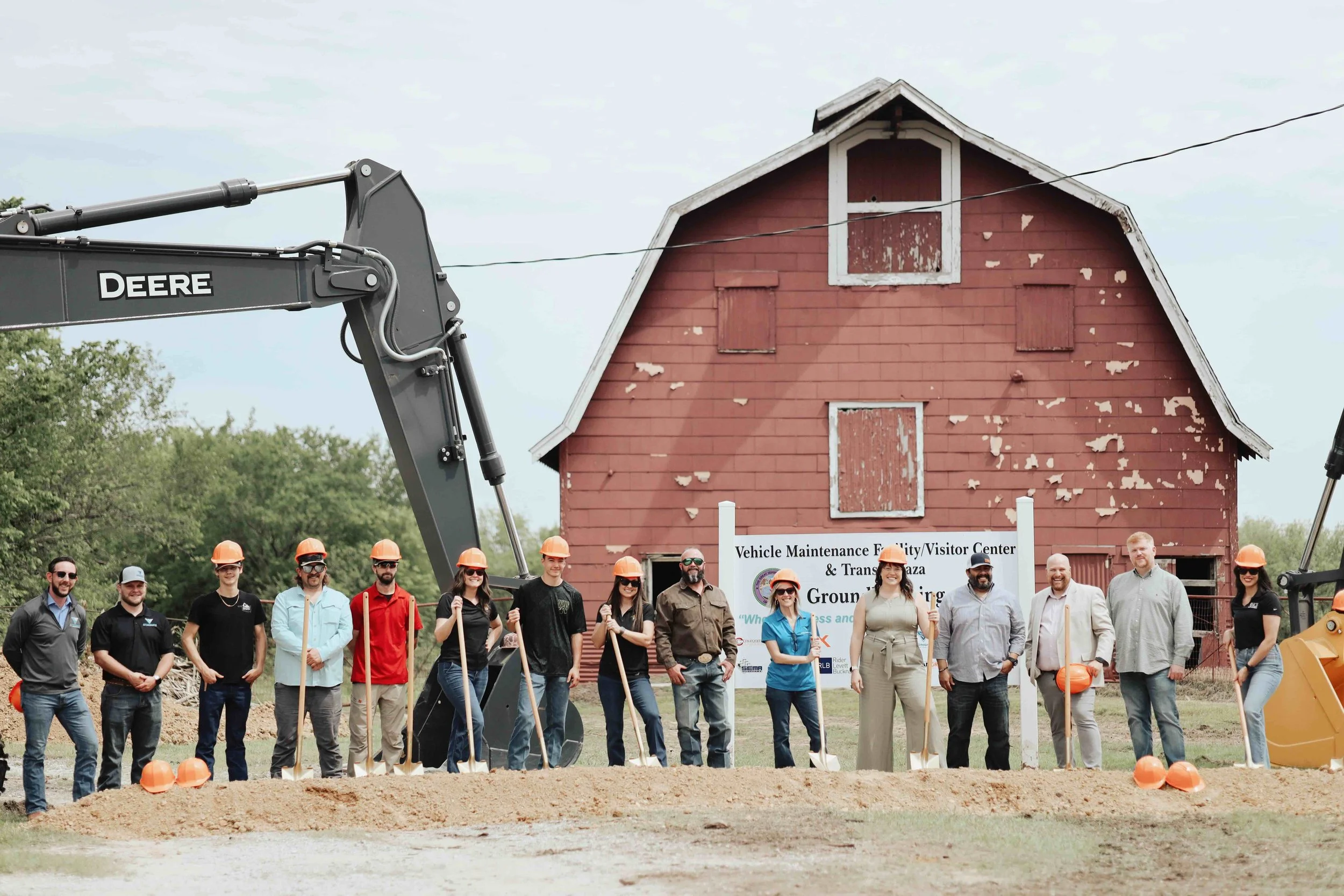
Civic infrastructure examples include the physical, digital, and social systems that connect communities and enable them to thrive—from renovated parks and libraries to data platforms and cross-sector partnerships.
Quick Examples of Civic Infrastructure:
| Type | Examples |
|---|---|
| Physical Spaces | Parks, libraries, community centers, main streets, cultural institutions |
| Digital Platforms | Open data portals (MetroBoston DataCommon with 473 datasets), civic engagement tools (vTaiwan achieved 80% government responsiveness), resource directories |
| Social Networks | Collaborative partnerships (UP Partnership San Antonio with 90+ organizations), civic hubs, regional councils |
| Transportation | Greenways, multimodal paths, transit systems, pedestrian-friendly streets |
Most people think of infrastructure as roads and pipes. That's not wrong—but it's incomplete.
The infrastructure that truly shapes a community's strength includes the library where residents gather for programs, the digital platform that connects them to local resources, and the collaborative tables where leaders from education, healthcare, and business align on shared goals. These are the systems that build trust, foster participation, and create the "connective tissue" that holds communities together.
This is civic infrastructure. It's both visible and invisible. A renovated courthouse. A network of after-school tutors working with reading specialists. A data portal that helps policymakers see where investment is needed most.
When civic infrastructure is built with intention, communities become more resilient, equitable, and connected. When it's neglected or missing, even the most well-meaning efforts struggle to create lasting change.
What is Civic Infrastructure? More Than Just Concrete and Steel
Civic infrastructure is the network of systems, relationships, and spaces — physical and digital — that allow communities to function, connect, and solve problems together. It’s the human framework that supports a healthy, thriving public life.
At its core, it’s how a community aligns around a shared vision and holds itself accountable to it. It’s not only about what we build, but how we design connections, encourage collaboration, and use data to make wiser decisions. When education, healthcare, business, housing, and local leadership work together — alongside residents — communities become more resilient and equitable.
In places like Oklahoma City and Midwest City, this perspective matters. As our communities evolve, the way we intentionally shape shared spaces and systems directly influences the legacy we leave behind.
The Purpose of Civic Infrastructure
The purpose of civic infrastructure is multi-faceted, extending far beyond simple utility. It’s about creating an environment where every individual can thrive, and where the community as a whole can flourish.
First, civic infrastructure fundamentally contributes to community well-being. By providing accessible public spaces, fostering social connections, and supporting essential services, it improves the quality of life for residents. These are the places where people gather, celebrate, and support one another.
Second, it promotes economic mobility. When communities invest in robust civic infrastructure—from quality schools to accessible public transportation and job training programs—they create pathways for individuals to improve their economic standing. This is often framed as putting young people on a path from "cradle to career," ensuring that every child has the support systems necessary to succeed.
Third, it cultivates a sense of shared responsibility. When people feel connected to their community and understand how their contributions matter, they are more likely to work together toward common goals. Civic infrastructure fosters this collective accountability, ensuring that efforts are aligned and resources are effectively used.
Finally, strong civic infrastructure builds resilience. Communities with robust networks, adaptable spaces, and collaborative problem-solving mechanisms are better equipped to withstand challenges, whether they are economic downturns, natural disasters, or social disruptions. It's about building an intentional and inclusive civic infrastructure that can adapt and grow.
Key Pillars of Effective Civic Infrastructure
Effective civic infrastructure isn't accidental; it's built on a foundation of deliberate practice and collaboration. We've identified four key pillars that consistently appear in successful civic infrastructure initiatives:
- Shared Community Vision: This is the bedrock. It involves bringing diverse community members and leaders together to articulate common goals and a collective understanding of what a thriving future looks like. This vision guides all subsequent efforts and ensures everyone is working towards the same outcomes. It’s the "why" behind the "what."
- Evidence-Based Decision Making: Rather than relying on assumptions, strong civic infrastructure uses data to understand community needs, track progress, and evaluate the effectiveness of strategies. This allows for continuous improvement and ensures resources are invested in what truly works. Data helps us measure impact, identify gaps, and refine our approach.
- Collaborative Action: This pillar emphasizes the importance of cross-sector partnerships. It means fostering environments where leaders and organizations from different fields—government, non-profits, businesses, and grassroots groups—can work together effectively. It's about breaking down silos and building bridges to achieve shared objectives, leveraging diverse strengths and perspectives.
- Sustainable Investment: Effective civic infrastructure requires consistent and strategic investment, not just one-off projects. This involves aligning resources behind proven strategies, securing diverse funding streams, and ensuring the long-term sustainability of programs and spaces. It's about committing to the enduring health of the community.
These four pillars are not isolated; they are interconnected, forming a dynamic framework that allows communities to build lasting capacity for change.
Physical Civic Infrastructure Examples: Spaces That Build Community
When we think of civic infrastructure, our minds often jump to the tangible—the buildings, parks, and pathways that shape our daily lives. While traditional infrastructure focuses on essential utilities like water and power, physical civic infrastructure is about creating places with purpose, designed for human connection and shared experience. These projects often become the heart of a neighborhood or city, embodying the spirit of a community.
Revitalized Public Spaces
Revitalizing public spaces brings renewed energy to communities, transforming underused areas into places for gathering, reflection, and connection. These projects are powerful examples of civic infrastructure in action.
Oklahoma’s planning history — including the legacy of the City Beautiful Movement — reflects a long-standing belief in intentional, well-designed public spaces. That influence continues today. Our Pawnee Courthouse Renovation demonstrates how preserving and updating a historic civic building can strengthen identity while supporting modern needs.
Efforts like Midwest City’s Revitalization Plan for the Original Mile further show how thoughtful investment in public and commercial spaces fosters connection, economic growth, and long-term vitality.
These revitalized spaces often contribute to:
- Community gathering: Providing central locations for events, casual meetings, and social interaction.
- Economic revitalization: Attracting businesses, residents, and visitors, boosting local economies.
- Improved well-being: Offering green spaces, recreational opportunities, and aesthetically pleasing environments that improve mental and physical health.
Cultural and Recreational Hubs
Beyond parks and town squares, cultural and recreational hubs form a vital layer of civic infrastructure. Libraries, community centers, and local trails strengthen identity, promote health, and create opportunities for learning and connection.
In Oklahoma City and Midwest City, these spaces do more than serve a function. Libraries provide education and digital access. Community centers foster belonging. Greenways and multimodal paths connect neighborhoods and support active living.
These hubs aren’t just buildings — they’re shared spaces where culture is celebrated and community is reinforced.
Purpose-Driven Commercial and Community Buildings
The buildings where we work, worship, and gather can also serve as meaningful civic infrastructure when designed with community purpose in mind. These spaces often anchor neighborhoods and contribute to the broader public life.
Our work on the Cornerstone Church Exterior Renovation demonstrates how thoughtful design can strengthen a building’s role as a welcoming community presence. Likewise, strategic commercial and mixed-use development — as seen in “OKC’s Ongoing Change” — contributes to the vibrancy and long-term health of the city. In our Oklahoma City Architecture work, we prioritize design that serves both function and the surrounding community.
Purpose-driven buildings often:
- Serve dual roles, blending private use with public gathering space
- Anchor neighborhoods and reinforce a sense of place
- Support long-term economic vitality
When designed intentionally, these buildings become more than structures — they become part of the civic fabric.
The "Unseen" Infrastructure: Networks, Partnerships, and Data
While physical spaces are readily visible, some of the most powerful civic infrastructure isn't built with bricks and mortar, but with relationships and information. These "unseen" networks connect leaders, organizations, and residents to tackle complex challenges collaboratively, forming the collaborative backbone of a community.
Collaborative Networks as Infrastructure
Strong communities are built on shared goals and trusted relationships. Collaborative networks — spanning government, nonprofits, business, and grassroots leaders — form a vital layer of civic infrastructure by aligning efforts around common challenges.
The “cradle-to-career” model illustrates this well: education, healthcare, and social services working together to support individuals from birth through adulthood. When these partnerships are intentional and data-informed, they create lasting systems change that no single organization could achieve alone.
Just as design requires purpose and coordination, so does community progress. Meaningful impact happens when connections are built with clarity and shared commitment.
Civic Hubs: The Engines of Community Action
Civic hubs are trusted, on-the-ground organizations that connect people and move ideas into action. Often working behind the scenes, they coordinate resources, strengthen partnerships, and support long-term community efforts.
Unlike one-time initiatives, civic hubs focus on sustained impact — building programs, gathering spaces, and new pathways for participation that serve communities for decades. Whether through the arts, economic development, or wellness initiatives, they bridge grassroots energy with broader funding and strategy.
These hubs help cultivate trust, shared agency, and lasting civic life. At Green Couch Design, this commitment to long-term, values-driven impact closely mirrors how we approach the spaces we design.
Digital Civic Infrastructure: The Modern Town Square
In our increasingly connected world, digital platforms have become essential for civic life. They provide new ways for residents to connect with each other and their government, access information, and participate in decision-making, effectively serving as the modern town square. This digital civic infrastructure complements physical spaces and social networks, creating a comprehensive ecosystem for community engagement.
The 'Connect, Learn, Act' Framework
A helpful way to understand digital civic infrastructure is through the “Connect, Learn, Act” framework, adapted from New_Public’s work on healthy digital public spaces. It outlines three essential dimensions of civic technology:
- Connect: Tools that help residents build relationships and strengthen community ties — such as local forums, neighborhood networks, and centralized resource platforms. These reduce fragmentation and foster meaningful connection.
- Learn: Platforms that provide accessible data and transparent information about community issues and government processes. Open data portals and legislative tracking systems empower informed decision-making.
- Act: Tools that enable participation — from submitting feedback to engaging in online deliberation. These platforms make it easier for residents to influence policy and contribute to shared outcomes.
When aligned thoughtfully, public and independent digital platforms can work together to strengthen trust, expand participation, and support a more resilient civic ecosystem.
Examples of Digital Civic Infrastructure in Action
While many leading examples of digital civic infrastructure come from other regions, the principles apply directly to communities like Oklahoma City and Midwest City. When designed well, technology strengthens civic life by improving access, transparency, and participation.
Examples include:
- Centralized Resource Directories: Platforms like FindIt Cambridge function as one-stop hubs for local programs and services, helping residents easily connect to support systems.
- Open Data Portals: Tools like MetroBoston DataCommon provide accessible datasets that inform planning, policymaking, and community dialogue.
- Legislative Engagement Platforms: Systems like MAPLE make it easier for residents to submit testimony and participate in the legislative process.
- Participatory Governance Platforms: Taiwan’s vTaiwan demonstrates how digital deliberation tools can meaningfully shape public policy and increase government responsiveness.
When implemented with intention, digital civic infrastructure empowers communities to connect, learn, and act — strengthening trust and democratic participation.
Frequently Asked Questions about Civic Infrastructure
How does civic infrastructure differ from traditional infrastructure?
Traditional infrastructure includes roads, bridges, and utilities — the physical systems that keep daily life moving. It focuses on efficiency and basic function. Civic infrastructure builds on that foundation by supporting connection, participation, and shared community life. If traditional infrastructure gets you from point A to point B, civic infrastructure helps you engage with your neighbors, access resources, and take part in local decisions. It’s the difference between a water pipe and a public library — between a highway and a revitalized town square.
How is civic infrastructure funded?
Civic infrastructure is typically supported through a mix of public and private funding. Federal grants, state and local budgets, and targeted programs often fund parks, community centers, digital platforms, and revitalization efforts.
Philanthropic foundations and public-private partnerships also play an important role, combining resources and expertise to support long-term initiatives. This layered funding approach allows communities to invest strategically in the spaces and systems that strengthen civic life.
Can small towns and rural areas have strong civic infrastructure?
Absolutely. Civic infrastructure isn’t about size — it’s about the strength of relationships and shared resources. Small towns often demonstrate this through active volunteer networks, well-used community halls, local markets, and strong informal support systems. When shared vision, collaboration, and sustained investment are present, rural communities can be especially resilient and deeply connected.
Building a Legacy of Connection
Civic infrastructure examples remind us that the most resilient and meaningful communities are built with intention. It’s about designing the physical, social, and digital systems that not only serve our functional needs but also foster connection, support well-being, and create a shared sense of belonging. From a renovated historic courthouse to a digital platform that gives citizens a voice, these examples show that our collective strength lies in the structures we build to support each other. At Green Couch Design, we believe that great architecture serves the community it stands in, creating lasting value for generations. Our approach is intentional, practical, and collaborative, ensuring that the spaces we design contribute to the legacy of our communities in Oklahoma City and Midwest City. We aim to be a partner, not just a service provider, in creating spaces that serve people, culture, and community for years to come.
Explore how purposeful design can shape your community’s future by learning more about our approach to OKC commercial architecture.