A Practical Guide to Designing a Mixed-Use Space
What You Need to Know Before Designing a Mixed-Use Space

Designing a mixed-use space means combining residential, commercial, and community uses into one cohesive development — and doing it in a way that serves people, not just square footage.
If you want the short version, here is what successful mixed-use design comes down to:
- Put active uses on the ground floor — retail, cafes, and services that face the street
- Keep buildings human-scale — Danish urbanist Jan Gehl found that above five storeys, residents lose their connection to the street
- Separate private and public circulation — residents and commercial users need their own paths and entrances
- Design for the pedestrian first — wide sidewalks, visible entrances, and continuous storefronts
- Build in flexibility — spaces that adapt to changing uses, work patterns, and community needs
- Integrate wellbeing — spaces to gather, play, create, rest, and eat together
- Use durable, contextual materials — especially at street level, where wear is highest
These principles apply whether you are working with a single mixed-use building or a multi-block development.
Mixed-use design is not just an urban planning trend. It is a return to how cities naturally functioned before the industrial age separated where we live, work, and shop. The difference today is that we have the tools, research, and design methods to do it intentionally — and get it right from the start.
The stakes are real. A well-designed mixed-use project can strengthen a neighborhood, generate resilient revenue streams, and create a place people genuinely want to be. A poorly designed one creates conflict between tenants, frustrates residents, and underperforms for years.
This guide walks you through the full process — from site strategy and building form to materials, parking, amenities, and future-proofing.
At Green Couch Design, our team brings together expertise in branding, architecture, and interior design to tackle the unique challenges of designing a mixed-use space. We approach these projects with a practical, people-first mindset, helping clients think through the many decisions that shape successful places. In the sections ahead, we will break down the key considerations with clear guidance informed by research and real-world project experience.
Core Principles for Designing a Mixed-Use Space:
When we approach the task of Designing a Mixed-Use Space, we start by looking at the street. A successful project doesn't just sit on a plot of land; it participates in the neighborhood. The core design guidelines for high-quality residential mixed-use projects focus on enhancing the street appearance while respecting adjacent properties.
We believe that building height and orientation should be handled with care. For example, taller portions of a building should be located away from adjoining low-density residential properties. By placing the most intense massing toward the middle of a project or along major corridors, we minimize shadow impacts and respect the privacy, light, and air of our neighbors.
Every site has a unique context. Whether we are working in the heart of Oklahoma City or revitalizing a block in Midwest City, we evaluate the social, cultural, and physical characteristics of the area. This ensures the project feels like an authentic extension of the community rather than an imposition. To see how these principles come to life in our work, you can explore our Commercial Architecture Portfolio or consult this Mixed-Use Development Design Guide for broader industry standards.
Balancing Form and Bulk in Designing a Mixed-Use Space:
Visual bulk is one of the biggest challenges in mixed-use architecture. If a building is too massive, it feels overwhelming to the pedestrian. We use several strategies to break down this scale:
- Step-backs: For projects adjacent to low-density zones, we often step back the top one or two stories. This creates a transition that feels more natural and less imposing.
- Articulation: We use recesses, projections, and varied roof forms to create a visual rhythm. A long, flat wall is uninviting; a facade with depth creates interest.
- Material Changes: Changing materials—such as switching from brick to metal panels—should happen at logical points, like internal corners, and should be maintained for at least six feet to avoid a "thin" or "pasted-on" appearance.
- Roof Overhangs: We recommend roof overhangs of at least 18 inches to provide shadow lines and protect the building facade from the elements.
By focusing on massing strategies that prioritize the human experience, we ensure that even a large development feels approachable.
Creating a Human-Scale Pedestrian Realm
The ground floor is the most important part of any mixed-use building. This is where the "handshake" between the building and the city happens. To foster an active pedestrian realm, commercial uses should be located directly adjacent to the sidewalk with continuous storefront windows.
Danish urbanist Jan Gehl famously noted that once a building rises above five storeys, residents lose their connection to the street. They can no longer recognize faces or hear conversations below. In our practice, we emphasize human-scale details—like frequent visible entrances and transparent facades—that encourage passive surveillance. When people inside the building can see the street, and people on the street can see activity inside, the neighborhood feels safer and more vibrant.
Creating a sense of place requires more than just functional design; it requires an understanding of how people move and interact. You can find more insights on this in the article How do you design a mixed-use development that creates a sense of place?.
Integrating Residential Privacy and Commercial Vitality
The "mix" in mixed-use can sometimes lead to friction if not managed correctly. Residents want quiet and privacy; commercial tenants want foot traffic and visibility. Balancing these needs is a hallmark of purposeful design.
We use setbacks and buffer zones to provide residents with adequate light and air. For instance, upper floors should ideally be set back at least 30 feet from adjacent residential properties. We also prioritize acoustic separation—ensuring that the hum of a ground-floor cafe doesn't disturb the sleep of the person living directly above it.
Our Residential Architecture Portfolio showcases how we prioritize the living experience, while our project at the Commercial to Residential Conversion: Historic Montana Brewery demonstrates how we navigate the complexities of blending different uses within a single historic structure.
Strategic Layouts for Designing a Mixed-Use Space:
Layout is everything. We look at two primary ways to organize these spaces:
- Vertical Mixing: This is the classic model—retail on the bottom, offices or apartments on top. It maximizes land use and keeps the street level active.
- Horizontal Integration: On larger sites, uses might be side-by-side, connected by plazas or walkways. This is often more feasible for smaller sites where height is restricted.
Regardless of the layout, separate entrances are a must. Residents should have a clearly marked, secure entry that is distinct from the commercial storefronts. We also look for opportunities for shared amenities, like a rooftop garden that serves both office workers during the day and residents in the evening, ensuring 24/7 activation of the space.
Adaptive Reuse and Historic Integration
In Oklahoma, we have a wealth of historic structures that are perfect candidates for mixed-use. Adaptive reuse is more than just a renovation; it’s about honoring the building's legacy while giving it a new purpose.
Incorporating local character means using materials and symbols that resonate with the site’s history. For example, our work on the Adaptive Reuse Architecture: Mixed-Use Project Kalispell Montana involved carefully balancing modern needs with the building's original soul. If you’re curious about the technicalities, we’ve written extensively on What Adaptive Reuse Architecture Actually Means.
Enhancing Wellbeing Through Purposeful Amenities
A building should do more than just house people; it should help them thrive. Modern mixed-use design has moved toward a "wellness-first" approach, focusing on five key types of spaces:
- GATHER: Plazas, courtyards, and "loose spaces" where neighbors can have casual collisions.
- PLAY: Areas for activity that aren't just for kids—think pickleball courts or visible game areas that signal an open, inviting atmosphere.
- CREATE: Flexible maker spaces or studios with "mess-handling" capabilities and plenty of light.
- RESTORE: Biophilic zones with plants, natural light, and quiet corners to counteract the pace of urban life.
- NOURISH: Shared dining areas or community gardens that encourage eating together, which research shows improves mental health.
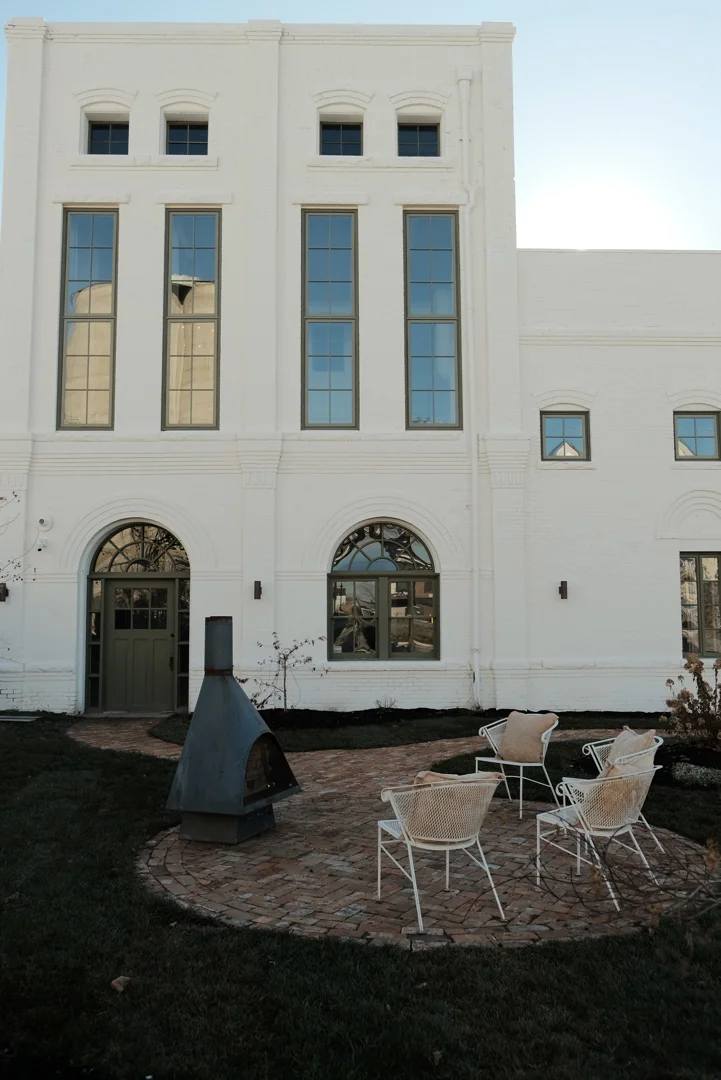
Designing for the 15-Minute Neighborhood
The "15-minute city" is a concept where everything a person needs—work, food, health, and recreation—is within a short walk or bike ride. In our OKC Commercial Architecture projects, we prioritize walking facilities, bicycle storage, and transit access.
Decorative paving, wide sidewalks, and street trees aren't just "extras"; they are essential infrastructure that promotes alternative transportation. When people feel safe and comfortable walking, the entire development becomes more successful. We saw this play out in our Mixed-Use Project Kalispell Montana, where connectivity was a primary driver of the design.
Flexible Spaces for Modern Work-Life Patterns
The way we work has changed. With 28.2% of American employees now in hybrid roles, mixed-use spaces must offer more than just a desk. We design modular layouts that can adapt as business needs change—sometimes even using prefabricated or adjustable wall systems.
A resilient building is one that can pivot. An office space today might need to be a community gallery tomorrow. By designing for 24/7 activation, we ensure the building doesn't "go dark" at 5:00 PM, which keeps the area vibrant and safe. Our Commercial Design Process Oklahoma focuses heavily on this type of future-proofing.
Technical Execution: Materials, Parking, and Utilities
The beauty of a mixed-use project is only as good as its durability. At the ground level, where the building meets the sidewalk, we insist on high-quality, rugged materials like stone, brick, or tile. We generally advise against using stucco or EIFS within the first three feet of the ground, as these materials don't hold up well to foot traffic or street cleaning.
Sustainability is also a key part of the technical execution. This includes:
- Stormwater Management: Using rain gardens or permeable paving to manage runoff.
- EV Charging: With 83% of EV owners charging at home, infrastructure for electric vehicles is no longer optional in residential mixed-use.
- Smart Technology: Using sensors to optimize HVAC and lighting, reducing costs for everyone.
For a deeper dive into these requirements, see our Commercial Architecture Process Complete Guide.
Managing Auto Circulation and Services
Cars are a reality, but they shouldn't dominate the design. We aim to screen parking from the street using landscaping or architectural walls. Shared parking models—where office workers use spaces during the day and residents use them at night—can significantly reduce the total amount of asphalt needed.
Service areas like trash collection and loading zones should be folded into the building's back-of-house areas so they stay out of view and preserve a better pedestrian experience. On tighter sites, that usually takes smarter planning and creative site moves, as explored in this CNU article on making the most of a small mixed-use site.
Frequently Asked Questions about Mixed-Use Design
How do you ensure privacy for residents in a mixed-use building?
Privacy is achieved through a combination of vertical separation and smart orientation. We use upper-floor setbacks to move living spaces away from the street edge and design private balconies or courtyards that are shielded from public view. Acoustic insulation between floors is also critical to ensure commercial noise doesn't bleed into residential units.
What are the most durable materials for ground-floor commercial use?
We recommend natural, time-tested materials like stone, brick, and concrete. Tile is an excellent choice for the first few feet above the sidewalk because it is easy to clean and resistant to impacts. Large-format glass is essential for visibility, but it should be high-performance to manage heat gain and security.
Why is the five-storey limit important for street connection?
As Danish urbanist Jan Gehl researched, five storeys is the threshold for "human scale." At this height, a person on a balcony can still feel like part of the street life. They can recognize a neighbor or hear the sounds of the city. Higher than that, the connection is severed, and the building starts to feel like an island rather than part of the neighborhood fabric.
Conclusion
Designing a Mixed-Use Space is an exercise in balance. It requires us to think about the big picture—the skyline, the economic resilience, the neighborhood's future—while never losing sight of the small details, like the texture of a brick or the placement of a bike rack.
At Green Couch Design, we believe that the most successful projects are those built for legacy. They are resilient enough to survive economic shifts, flexible enough to adapt to new technologies, and beautiful enough to be loved by the community for decades. Whether we are working on OKC Commercial Architecture or a unique residential conversion, our goal is always the same: to create spaces that serve people and strengthen the culture of the places we call home.
If you are ready to start a conversation about your own mixed-use project, we are here to help you navigate the process with intention and expertise.