5 Undeniable Reasons Why Mixed-Use Development Is Gaining Momentum in OKC
OKC's Urban Shift: Why Mixed-Use Development Is Gaining Momentum Right Now
Why Mixed-Use Development Is Gaining Momentum in OKC Right Now comes down to five clear forces working together at once:
- Public funding — MAPS 4 and TIF districts are closing financial gaps that once stopped projects cold
- Housing pressure — demand for affordable, workforce, and market-rate units is outpacing supply
- Walkability — residents and businesses want connected, livable neighborhoods, not just parking lots
- Adaptive reuse — historic buildings are being transformed into mixed-income, mixed-use communities
- Suburban growth — cities like Edmond are planning large-scale town centers from the ground up
Oklahoma City is building at a scale and pace that few mid-sized American cities can match right now. From Bricktown's 23-story residential towers to a 645-acre master-planned community in Edmond, the projects underway in 2026 reflect a city making deliberate, long-term decisions about how it wants to grow.
This isn't growth for growth's sake. Each project addresses a real need — more housing, stronger neighborhoods, better connections between districts, and spaces that actually serve people.
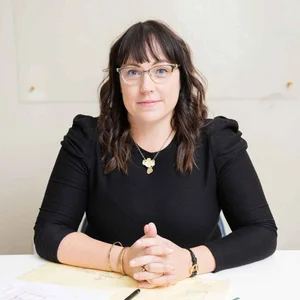
I'm Megan Lopp, CEO and Principal Designer at Green Couch Design, and understanding why mixed-use development is gaining momentum in OKC right now is directly relevant to the work we do — designing purposeful commercial and residential spaces in a city that's actively reshaping itself. Having spent nearly two decades working in branding, design, and architecture in Oklahoma City, I've watched this momentum build firsthand, and I'm here to break down exactly what's driving it.
1. Strategic Economic Drivers and MAPS 4 Funding
One of the primary reasons we see such a surge in activity is the deliberate use of public-private partnerships. In Oklahoma City, the MAPS 4 initiative is a cornerstone of this growth. A major highlight is the multipurpose stadium, which is slated for 10,000 seats. Construction is beginning in the spring of 2026, with an expected opening in January 2028. This isn't just a place to watch a game; it is the anchor for an entire sports and entertainment district. By surrounding the stadium with walkable restaurants, retail, and residences, the city is creating a destination that stays active 365 days a year.
Beyond MAPS, Tax Increment Financing (TIF) districts are the "secret sauce" making complex projects viable. TIF districts allow the city to redirect a portion of new property taxes back into the development area to pay for infrastructure like parking garages, sidewalks, and utilities. For example, the Classen Corridor TIF is instrumental in revitalizing the Midtown area. These tools bridge the financial gap for developers, ensuring that high-density, high-quality projects can move forward even when construction costs are high.
According to recent reports on OKC's 2025 developments promising major growth, these strategic investments are positioning Oklahoma City as an economic stronghold. At Green Couch Design, we believe that OKC Architecture should be a reflection of this stability—intentional, resilient, and built to serve the community for generations.
2. Why Mixed-Use Development Is Gaining Momentum in OKC Right Now
The shift toward mixed-use is most visible in our central districts. Take "The Eddie" in Midtown, for instance. This project transformed a site that had been idle for years into a vibrant five-story building. It features 13,000 square feet of ground-floor commercial space for restaurants and retail, with modern apartments on the upper floors. What makes it truly special is the permanent closure of a section of Classen Drive to create a programmed park and amphitheater. This design choice prioritizes people over cars, creating a natural gathering spot.
Similarly, the Berry Rock Building in the Flatiron District is bridging the gap between the Innovation District and downtown. With 30,000 square feet of leaseable commercial space, its completion in late 2026 will significantly improve the walkability of the area. These projects prove that when you mix work, life, and play, you create a more resilient urban fabric.

Why Mixed-Use Development Is Gaining Momentum in OKC Right Now through Connectivity
Connectivity is the thread that ties these districts together. A prime example is the 614-foot pedestrian bridge that enhances access to Scissortail Park and the river trails. By making it easier to move between neighborhoods without a car, we reduce urban sprawl and create a more cohesive city. Our team at Green Couch Design views OKC Commercial Architecture as a way to foster these connections, ensuring that every building contributes to the street-level experience and the city's broader vision of accessibility.
3. Adaptive Reuse and the Preservation of OKC’s Architectural Legacy
We have a deep respect for the history embedded in our city's skyline. Why Mixed-Use Development Is Gaining Momentum in OKC Right Now is partially due to our success in breathing new life into historic structures. The Harlow is a standout example—a $70 million redevelopment of historic buildings into a mixed-use complex. Inspired by the glamour of the 1920s, it includes 265 residential units and 4,300 square feet of retail, even featuring a movie theater and bowling alley.
Preserving these buildings is about more than just aesthetics; it’s about legacy. Projects like the Robinson Renaissance twin towers and the First National Center show how we can adapt vintage office and bank spaces for modern residential and commercial use. If you’re curious about the philosophy behind this, you can read more about What Adaptive Reuse Architecture Actually Means.
We often look to successful models of this approach, such as our work on the Commercial to Residential Conversion Historic Montana Brewery. While that project was in Montana, the principles remain the same: honor the original craftsmanship while ensuring the building functions perfectly for today's needs.
4. Solving the Housing Shortage through Diverse Density
As OKC grows, the need for housing at all price points becomes critical. Mixed-use developments are uniquely suited to address this. Alley’s End is a historic milestone for our city, providing 214 affordable housing units for tenants at 60% of the area median income. It is the largest affordable housing project in downtown OKC history, proving that density can—and should—be inclusive.
On the other end of the spectrum, the Boardwalk at Bricktown is pushing our skyline to new heights. Phase 1 includes two 23-story towers featuring 576 market-rate apartments, 140 workforce units, and a luxury Hyatt Dream Hotel. There is even a proposal for the Legends Tower, which, if approved, would reach 1,907 feet. These projects provide the variety of housing necessary to support a growing workforce and a thriving downtown.
5. The Rise of the Modern 'Town Square' in Edmond and Beyond
The mixed-use momentum isn't confined to downtown. In Edmond, a massive 645-acre community is being planned near East 15th Street and Anderson Road. This project aims to create a new "town square" with up to 4,500 homes and 200 acres of open space. It’s a response to the desire for walkable, community-oriented living even in suburban settings.
Closer to the city center, the OAK development at NW Expressway and Pennsylvania Avenue has already begun opening its first phases. With The Lively Hotel and major retailers like Williams Sonoma and Restoration Hardware, OAK is transforming a busy intersection into a sophisticated destination for shopping, dining, and living. According to reports, a 645-acre, mixed-use community could transform land in Edmond, signaling a shift in how we think about suburban development.
Why Mixed-Use Development Is Gaining Momentum in OKC Right Now for Community
At its heart, this trend is about people. By integrating 200 acres of open space in Edmond or creating sustainable designs like the Alley North development—which features the Guernsey Headquarters and focuses on carbon reduction—we are building for the future. These spaces serve as the "third places" where community happens. You can see our commitment to these types of purposeful, community-focused projects in our Architecture Portfolio.
Frequently Asked Questions about OKC Mixed-Use Projects
What concerns do residents have about the new Edmond development?
Residents near the proposed 645-acre site on Anderson Road have raised valid concerns regarding water supply and the impact on the area's rural character. The Edmond City Council is actively reviewing these infrastructure needs to ensure that growth does not outpace the city's ability to provide essential services.
What is the timeline for the Boardwalk at Bricktown and the MAPS 4 Stadium?
The Boardwalk at Bricktown is moving forward in phases, with the initial residential and hotel towers being the first priority. The MAPS 4 multipurpose stadium is scheduled to break ground in the spring of 2026 and aims for a grand opening in January 2028. Projects like the Legends Tower remain subject to FAA height reviews due to their unprecedented scale.
How does TIF funding support these developments?
Tax-increment financing (TIF) is a tool used to bridge the "funding gap." For projects like The Eddie in the Classen Corridor, TIF funds are used to pay for public improvements like the amphitheater and park. This public-private partnership allows developers to include community benefits that might otherwise be cost-prohibitive.
Conclusion
The momentum we’re seeing in Oklahoma City is the result of years of intentional planning. By embracing mixed-use development, we are creating a city that is not only an economic stronghold but a destination that people are proud to call home. At Green Couch Design, we are honored to be part of this evolution, designing spaces that are functional, beautiful, and built to last.
If you are looking to develop a project that contributes to this vibrant urban landscape, we invite you to Explore OKC Commercial Architecture and see how purposeful design can create a lasting legacy for our community.