The Ultimate Guide to Building a Home That Outlasts a Trend
The High Cost of the Trend Cycle
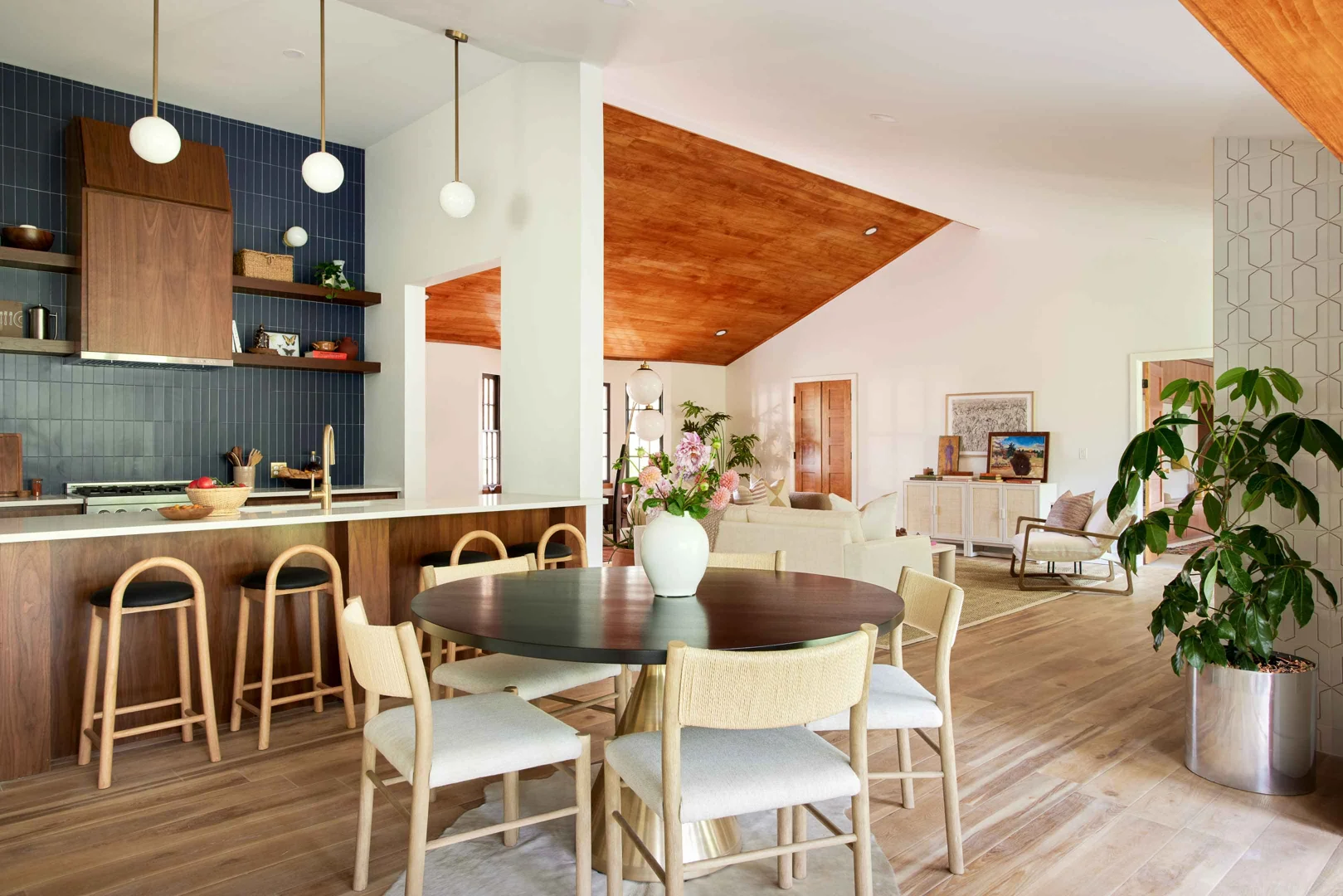
Building a home that outlasts a trend starts with one honest question: are you designing for the next 12 months, or the next 20 years?
Here's a quick answer if that's all you need:
How to build a home that outlasts a trend:
- Prioritize layout and proportion over trendy finishes — floor plans can't be easily changed later
- Choose natural, durable materials like hardwood, stone, and brick that develop character over time
- Use trends only in flexible areas — paint, lighting, hardware — not in permanent structural elements
- Design for how your life will evolve, not just how you live today
- Invest in craftsmanship — quality construction outlasts any aesthetic moment
Trends move fast. Really fast.
Visible design trends shift every 7–10 years. Kitchen styles, which used to hold for a decade, now cycle out in under five years. Paint colors can feel dated in as little as two. Meanwhile, the materials in your walls, floors, and roof are specified to last 20–30 years.
That gap — between how fast trends move and how long your home actually stands — is where the real cost lives.
One real example makes this plain: a kitchen renovated in 2021 for $280,000 needed another $200,000+ to feel current by 2025. Nearly $500,000 on one room in four years. And it's not an isolated case. Homeowners who chase trends consistently spend 40–60% more over a decade than those who invest in timeless quality from the start.
Then there's the waste. Home renovation in the U.S. generates an estimated 600 million tons of construction and demolition debris every year — and a significant portion of that isn't from structural failure. It's from aesthetic-driven upgrades. Perfectly functional kitchens, decks, and cladding torn out because the look went out of style.
This guide is about building smarter — not safer, not boring — smarter. A home that works for your life today and holds its integrity a decade from now.
At Green Couch Design, we bring nearly two decades of purposeful residential architecture experience to the table. We have seen what separates homes that age gracefully from those that quickly feel dated. Building a home that outlasts a trend is something we think about at every stage of our design process — from the first site conversation to the final material selection.
Building a Home That Outlasts a Trend: The Core Principles

At its heart, timeless design is not about playing it safe or stripping a home of personality. It is about understanding the classical relationship between proportion, scale, spatial planning, and natural light. When these foundational elements are balanced correctly, a room feels comfortable and complete, regardless of what color palette is currently dominating social media feeds.
Architectural permanence requires design restraint. It means resisting the urge to pack every room with a competing statement feature. Instead, our team focuses on how spaces connect, how traffic flows naturally through the home, and how daylight moves across a room from morning to evening.
By designing from the bones of the structure outward, our team ensures that the home remains functional and beautiful for decades. This philosophy forms the bedrock of What Legacy Means When You're Designing a Home for the Next 50 Years. When we respect the surrounding landscape and build with a clear spatial purpose, we create a structure that feels anchored to its environment.
Why Building a Home That Outlasts a Trend Saves You Money
Chasing aesthetic micro-trends is a highly effective way to drain your bank account. Because macro interior design trends shift roughly every decade, and paint trends move even faster (often lasting only two to seven years), a trend-driven home forces you into a constant, exhausting cycle of renovation.
If you design a kitchen around a hyper-specific, highly visible aesthetic, you may find yourself eager to tear it out in less than five years. Investing in timeless quality upfront represents a significant financial shield.
| Design Element | Trend-Chasing Approach (10-Year Cycle) | Timeless Investment Approach (10-Year Cycle) |
|---|---|---|
| Kitchen Cabinets & Layout | $150k - $280k (Replaced/remodeled twice due to style shifts) | $120k - $180k (High-quality wood, Shaker/flat-panel, still relevant) |
| Flooring | $25k - $40k (Replacing trendy laminate or tile) | $30k - $45k (Solid hardwood, refinished once, lasts a lifetime) |
| Fixtures & Hardware | $10k - $15k (Swapping out highly specific finishes like matte black) | $5k - $8k (Classic brass, pewter, or polished nickel) |
| Total Estimated Cost | $185,000 - $335,000 | $155,000 - $233,000 (Saves 40–60% over 10 years) |
By prioritizing high-quality, neutral foundations, our team helps you avoid the heavy financial toll of aesthetic-driven demolition. To understand when to allocate your budget to custom details and when to simplify, read our guide on When Custom Residential Design Is Worth the Investment (And When It's Not).
The Anatomy of a Legacy Home vs. a Trend Home
A trend home is built around the dominant aesthetic preferences of a single moment. It often relies on open-concept layouts with no clear division of space, highly specific material finishes, and oversized statement features designed for internet photos rather than daily utility.
A legacy home, by contrast, relies on structural depth and spatial flexibility. It uses logical circulation patterns and rooms that are sized to support multiple furniture arrangements. Rather than forcing a single way of living, a legacy home offers functional solutions that can adapt as your family grows.
To achieve this, our team starts with foundational conversations long before a single line is drawn on a blueprint. You can explore these initial steps in The First Six Conversations to Have Before You Design Your Custom Home.
Material Selection: Choosing Elements That Wear In, Not Out
Synthetic, highly manufactured finishes often look pristine on installation day, but they age poorly. They do not wear in; they wear out. When a laminate countertop chips or a synthetic deck fades, it simply looks broken and cheap.
Natural materials — such as real hardwood, stone, brick, and advanced composites with protective capping — tell a different story. They develop a rich patina over time that adds warmth and character. A solid oak floor that gathers minor scratches and dents over fifteen years does not look ruined; it looks loved and lived-in.
When specifying materials, our team looks for a 30-year performance window, selecting elements that can withstand the intense ultraviolet exposure and shifting weather patterns of our region. This deliberate connection to the earth and regional climate is a core part of Place Making: Ground Your Home.
Designing for Evolving Lives: Layout Flexibility and Aging-in-Place
A timeless home must be physically capable of growing old with you. This means integrating layout flexibility and aging-in-place features long before they are strictly necessary.
Our team designs spatial programs that allow rooms to change identity over time. A main-floor home office today can easily transition into a guest bedroom or a primary suite tomorrow. This approach includes integrating zero-threshold entries, wider hallways, and structural framing that is pre-backed for future grab-bar installations — details that are architecturally seamless and invisible but highly functional.
This focus on efficiency and adaptability is why our team cautions against building massive, single-purpose rooms. To understand the spatial and financial risks of over-building, read about the Downside of Building Super-Sized Homes.
Practical Steps for Building a Home That Outlasts a Trend in Oklahoma
Building in Oklahoma presents distinct environmental and structural challenges. From the clay soils to the high winds, local conditions demand robust engineering and high-quality craftsmanship.
When our team is Building on a Wooded Lot in Oklahoma: What Changes When the Land Has Opinions, we must carefully evaluate local wind resistance requirements, soil conditions, and municipal zoning codes.
While some regional builders focus on rapid suburban expansion, and others highlight seasonal fads, our team's focus remains on long-term structural integrity and custom site adaptation.
Conclusion: Crafting Your Legacy with Green Couch Design
At Green Couch Design, we believe that your home should be a physical manifestation of your family’s legacy, not a monument to a passing internet trend. Our team brings over 18 years of purposeful residential architecture experience to the table, ensuring that every line we draw serves a functional, beautiful, and enduring purpose.
If you are ready to move past the exhausting cycle of fast-fashion home design and build a custom home that will remain relevant, valuable, and deeply loved for the next fifty years, we invite you to read our comprehensive Legacy Guide or explore What It's Like to Design a Custom Home from the Ground Up.
Let’s build something that lasts. Contact us today to begin your custom architecture journey with Green Couch Design OKC Residential Architecture.