Why the Design Brief Is Completely Different for Specialty Clinics vs. General Practice
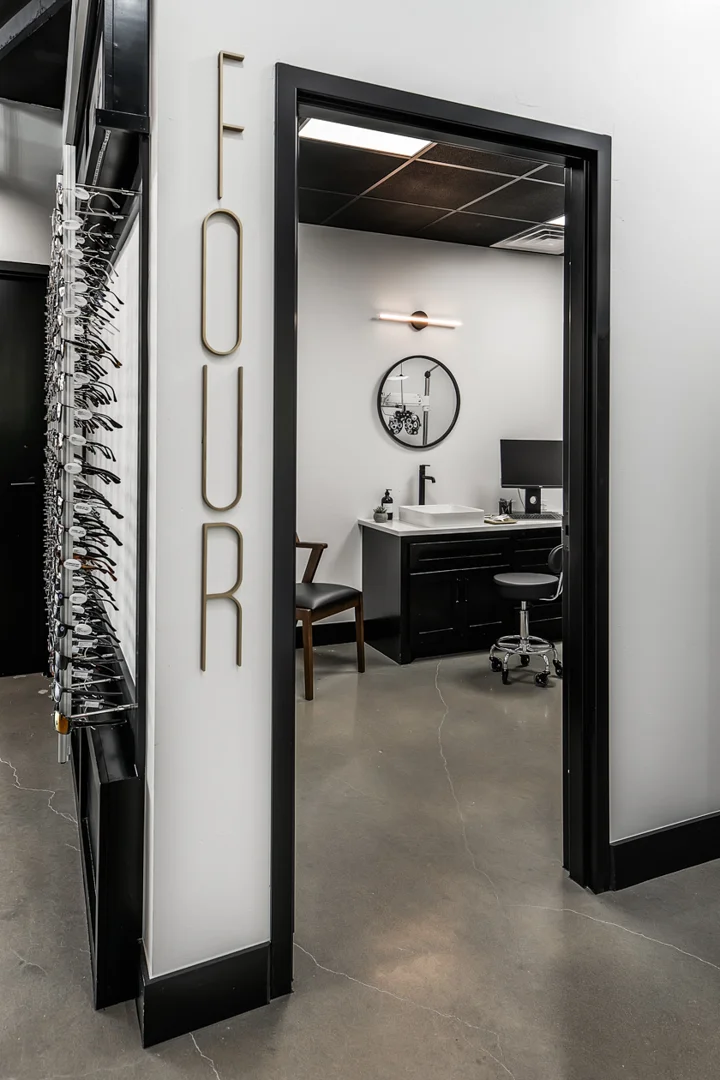
Specialty clinics vs. general practice: why the design brief is completely different comes down to one core truth — these two facility types serve fundamentally different patients, workflows, and clinical purposes. A single design template cannot serve both.
Here's a quick breakdown:
| Design Factor | General Practice | Specialty Clinic |
|---|---|---|
| Patient mindset | Routine, familiar | Anxious, condition-focused |
| Appointment type | Scheduled, varied | Condition-specific, procedural |
| Equipment needs | General exam tools | Specialty-specific (imaging, surgical, etc.) |
| Privacy requirements | Standard | Often heightened |
| Wayfinding complexity | Low to moderate | Moderate to high |
| Space planning | Flexible, multi-use | Focused, procedure-driven |
| Regulatory load | Standard outpatient | May require advanced FGI/ASHRAE standards |
General practices are built to handle variety. Specialty clinics are built to go deep on one thing — and that focus changes everything about how the space needs to work.
More than a third of patients are referred to a specialist each year, and specialist visits make up more than half of all outpatient physician visits in the U.S. That's an enormous volume of patients arriving with specific clinical needs, higher anxiety, and very different expectations than someone coming in for an annual physical.
A cardiologist's office that feels like a pediatric waiting room, or a mental health practice with harsh fluorescent lighting and zero warmth — these aren't just aesthetic missteps. They're design failures that affect patient outcomes and practice performance.
At Green Couch Design, over nearly two decades of design, architecture and healthcare facility work, our team has seen how specialty clinics vs. general practice design briefs demand entirely different starting points. In the sections below, we'll walk through exactly what those differences look like — from patient flow to spatial planning to regulatory compliance.

Patient Journeys: Why the Design Brief Is Completely Different
The patient journey for a specialty clinic begins long before they cross your threshold. It starts with the referral process and online research. Statistics show that 77% of patients search online before booking an appointment, and roughly three in four look for providers on Google Maps or local search.
However, the path to a specialist is often paved with logistical hurdles. In the United States, more than a third of patients are referred to a specialist each year. Unfortunately, the referral system can be highly fragmented. Breakdowns in information transfer, poor care integration, and disagreements over clinical roles mean that patients often arrive at a specialty clinic feeling frustrated or confused before they even check in.
Furthermore, access to care varies wildly. Research on Access to specialty healthcare in urban versus rural US populations shows that geographic location and insurance type create massive disparities. For instance, audit studies reveal that 66% of Medicaid–CHIP callers were denied an appointment at specialty clinics compared with only 11% of privately insured callers. When those public-insurance patients do secure an appointment, they face wait times averaging 22 days longer.
By the time a specialty patient arrives at an Oklahoma clinic, they have jumped through numerous hoops. Their journey is marked by anticipation, high anxiety, and the need for clear direction. The design brief must address this by creating an environment that feels welcoming, highly intuitive, and protective of their dignity. This means designing clear transition zones, providing highly visible check-in areas, and offering quiet, semi-private sub-waiting alcoves where anxious families can gather away from the main traffic stream.
Operational Workflows: Why the Design Brief Is Completely Different
From an operational standpoint, a general practice clinic relies on rapid, high-volume throughput. Appointments are typically short, and the flow of patients is continuous and linear. Staff members need to move quickly between standardized exam rooms, and the administrative team manages a constant stream of check-ins and check-outs.
Specialty clinics, however, rely on highly specialized, multi-stage workflows. A single visit to an orthopedic or cardiology clinic might involve initial consultation, diagnostic imaging, a physical therapy assessment, and a post-evaluation discussion. Patients do not simply sit in an exam room and leave; they circulate through different functional zones within the facility.
| Operational Metric | General Practice | Specialty Clinic |
|---|---|---|
| Average Visit Duration | 15–30 minutes | 60–120+ minutes (including diagnostics/procedures) |
| Spatial Circulation | Linear (Waiting -> Exam -> Check-out) | Multi-directional (Waiting -> Diagnostics -> Exam -> Consultation -> Recovery) |
| Staff-to-Patient Ratio | Lower (1 doctor/nurse to many patients) | Higher (Multidisciplinary teams collaborating per patient) |
| Equipment Footprint | Minimal (Wall-mounted diagnostics, scales) | Substantial (X-ray, MRI, specialized chairs, sterile storage) |
| Waiting Room Dynamics | Single, large communal area | Segmented, quiet zones or sub-waiting areas |
To support these complex workflows, the design brief must prioritize staff collaboration and efficient spatial transitions. If cardiologists, sonographers, and nurses are constantly crossing paths in cramped hallways, operational efficiency plummets. Designing integrated care-team zones where multidisciplinary staff can collaborate out of the patient's line of sight is crucial for keeping operations smooth and patient experiences positive.
Spatial Planning and Construction Realities for Specialty Facilities
When transitioning a design brief from concept to construction documents, the physical realities of specialty equipment and spatial footprints take center stage. You cannot simply lease a standard commercial retail space in Oklahoma City and drop an advanced imaging suite or a day-surgery clinic into it without rigorous due diligence.
Specialty care requires heavy, complex, and highly sensitive technology. An orthopedic clinic needs dedicated X-ray rooms with lead-lined walls and reinforced structural flooring. A physical rehabilitation center requires wide, unobstructed circulation paths, specialized therapy gyms, and durable impact-resistant wall finishes.
As outlined in the guide on Designing Single Speciality Healthcare Centres | Shree Designs, single-specialty facilities have a distinct advantage: their services are rooted in highly specific operational premises. This allows us to create a incredibly focused, efficient layout. Rather than trying to design a space that does everything for everyone, we can tailor every square foot to the exact procedures being performed.
For instance, in our work on Healthcare Facility Design, we emphasize the critical importance of "on-stage/off-stage" zoning. This planning strategy separates public-facing patient areas from back-of-house staff corridors and work zones.
In a specialty clinic, this zoning is vital. Patients undergoing stressful diagnostic tests or recovering from minor outpatient procedures should never have to navigate busy staff corridors or be exposed to the clinical noise of administrative work.
A great example of highly specialized, purposeful spatial planning is our work on the IHS Drive-Thru Clinic Pawnee. In that project, we had to completely rethink patient flow, vehicle clearance, and staff safety to deliver efficient, specialized care in a non-traditional environment.
Whether we are designing a drive-thru clinical space or a high-end outpatient surgery center, the spatial footprint must account for substantial storage. Specialty clinics use an array of movable diagnostic tools, specialized patient chairs, and sterile supply carts. If your architect fails to program adequate, dedicated storage alcoves into the floor plan, those expensive tools will end up cluttering your hallways, violating fire codes, and ruining the patient experience.
Navigating Regulatory Compliance and Privacy in Specialty Design
Building or renovating a commercial healthcare property in Oklahoma requires navigating a dense web of local zoning ordinances, building codes, and federal healthcare regulations. Specialty clinics carry a significantly heavier regulatory load than standard general practice offices.
First and foremost is HIPAA compliance. While every medical facility must protect patient privacy, specialty clinics often deal with highly sensitive diagnoses (such as fertility, mental health, oncology, or cardiology) where privacy is paramount. Acoustic privacy is a major design driver. Standard drywall partitions that stop at the drop ceiling are insufficient; we must design wall assemblies that run slab-to-slab with high Sound Transmission Class (STC) ratings to ensure that private clinical conversations in exam and consultation rooms remain completely confidential.
Furthermore, construction must adhere to strict clinical standards, such as the Facility Guidelines Institute (FGI) Guidelines and ASHRAE Standard 170 (which governs ventilation and pressure relationships in healthcare facilities).
According to the specialized insights in Design Considerations for Specialty Clinics - Apex Design Build, specialty spaces often require precise mechanical, electrical, and plumbing (MEP) engineering. For example:
- Positive/Negative Air Pressure: Procedure rooms and clean utility spaces must maintain positive air pressure to keep contaminants out, while airborne infection isolation rooms or dirty utility areas require negative pressure.
- Advanced HVAC Filtration: High-efficiency particulate air (HEPA) filtration systems are often required to protect immunocompromised patients.
- Medical Gas Infrastructure: Outpatient surgery or endoscopy clinics require dedicated medical gas piping, vacuum systems, and backup power generators compliant with NFPA 99 standards.
Skipping these critical technical requirements during the early planning stages is a recipe for disaster. This is why we advise every business owner and developer to thoroughly Evaluate a Commercial Property Before You Buy or Build. Conducting a comprehensive architectural and engineering feasibility study before signing a lease or purchasing a property ensures that the building envelope, structural capacity, and utility infrastructure can actually support the heavy regulatory and mechanical demands of your specialty clinic.
Frequently Asked Questions about Specialty Clinic Design
How does patient flow differ between specialty and general clinics?
In a general clinic, patient flow is typically linear: check-in, brief wait, exam, check-out. In a specialty clinic, patient flow is multi-directional and slower. Patients often move between distinct zones—such as a diagnostic imaging room, a specialized diagnostic lab, an exam room, and a private consultation office.
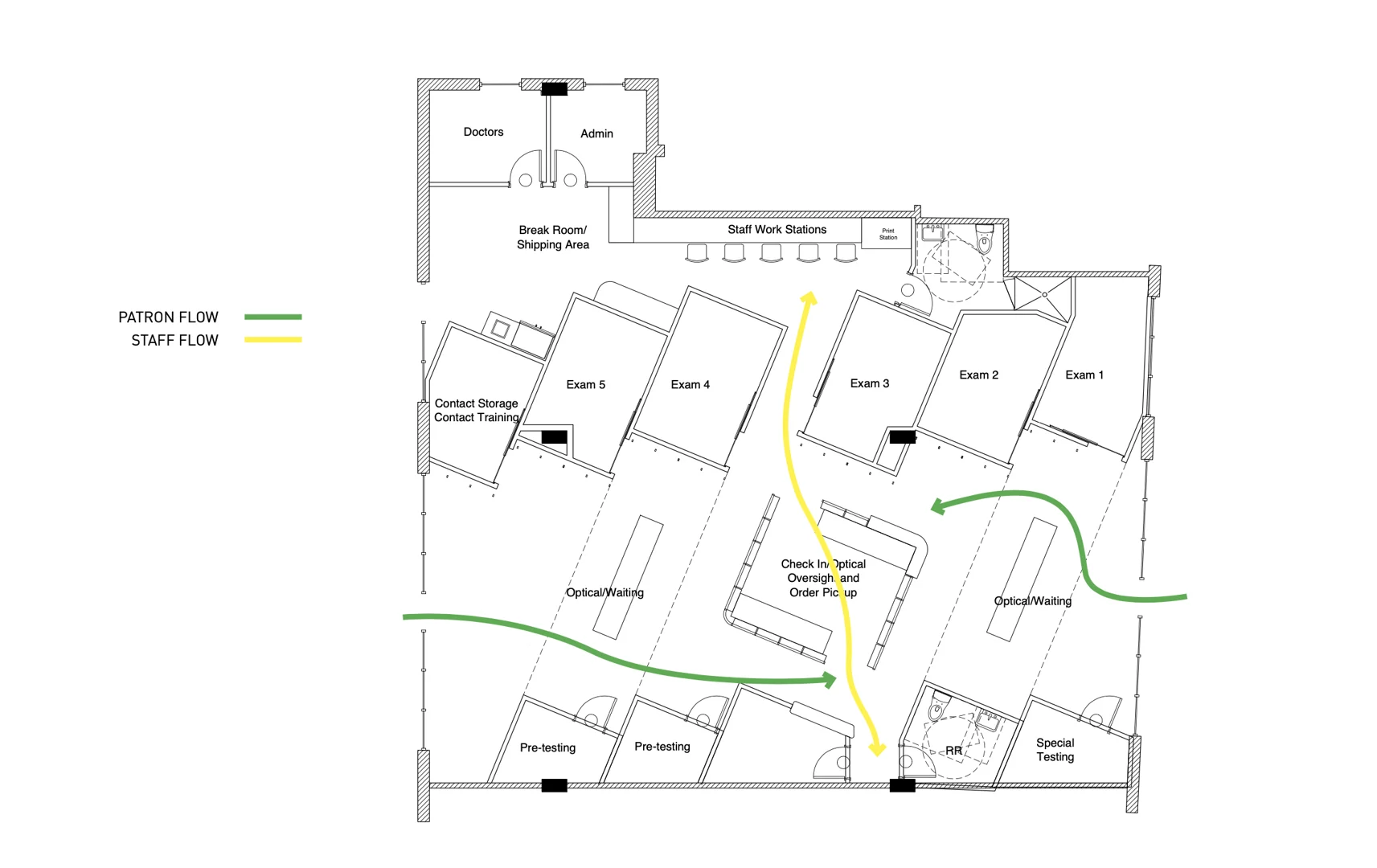
Because visits are longer and involve multiple steps, specialty design must incorporate clear wayfinding, wider hallways to accommodate mobility aids, and "sub-waiting" areas where patients can wait comfortably between different stages of their appointment without having to return to the main lobby.
What are the most common compliance mistakes in specialty clinic construction?
The most frequent compliance pitfalls include:
- Inadequate HVAC and Ventilation Zoning: Failing to meet ASHRAE 170 standards for air exchange rates and pressure relationships in procedure rooms.
- ADA and Accessibility Oversights: Designing standard-sized restrooms or exam rooms that do not provide the proper turning clearances for bariatric patients or those using wheelchairs and walking aids.
- Improper Facility Classification: Misclassifying an outpatient procedure room under general occupancy codes instead of ambulatory healthcare occupancy, which leads to costly delays during state health department inspections.
How do equipment requirements impact the initial design brief?
Specialty equipment dictates the entire structural and mechanical layout of the building. For example, heavy diagnostic machinery requires structural slab reinforcement to handle dead loads.
Additionally, we must design specific spatial clearances for equipment operation, plan for high-voltage dedicated electrical panels, and coordinate precise rough-in locations for water, medical gases, and data lines before the concrete slab is poured.
Conclusion
At the end of the day, a successful specialty clinic is not just a place where medical procedures happen—it is a highly calibrated tool that supports clinical excellence, operational efficiency, and patient healing.
When you treat a specialty clinic design brief like a general practice template, you compromise patient comfort, stress your staff, and risk incredibly expensive compliance failures during construction.
At Green Couch Design, we believe in purposeful, legacy-driven architecture. We don't design for trends; we design for real-world operations, human emotions, and long-term value. Whether you are looking to build a new outpatient facility in Oklahoma City or planning a complex tenant improvement renovation in Midwest City, our team is here to guide you through every step of the feasibility, zoning, and design process.
If you are ready to create a healthcare space designed with absolute purpose, explore our work in Healthcare Architecture and reach out to our team today. Let's build a space that truly serves your patients and your practice.